

The clean energy sector is moving fast. New technologies are being tested, policies are shifting, and investment decisions need to be made with the best available information. For people working at the top of this sector, staying current is not just helpful, it is necessary. That is exactly why dedicated industry gatherings have become such an important part of how decision-makers learn, plan, and connect.
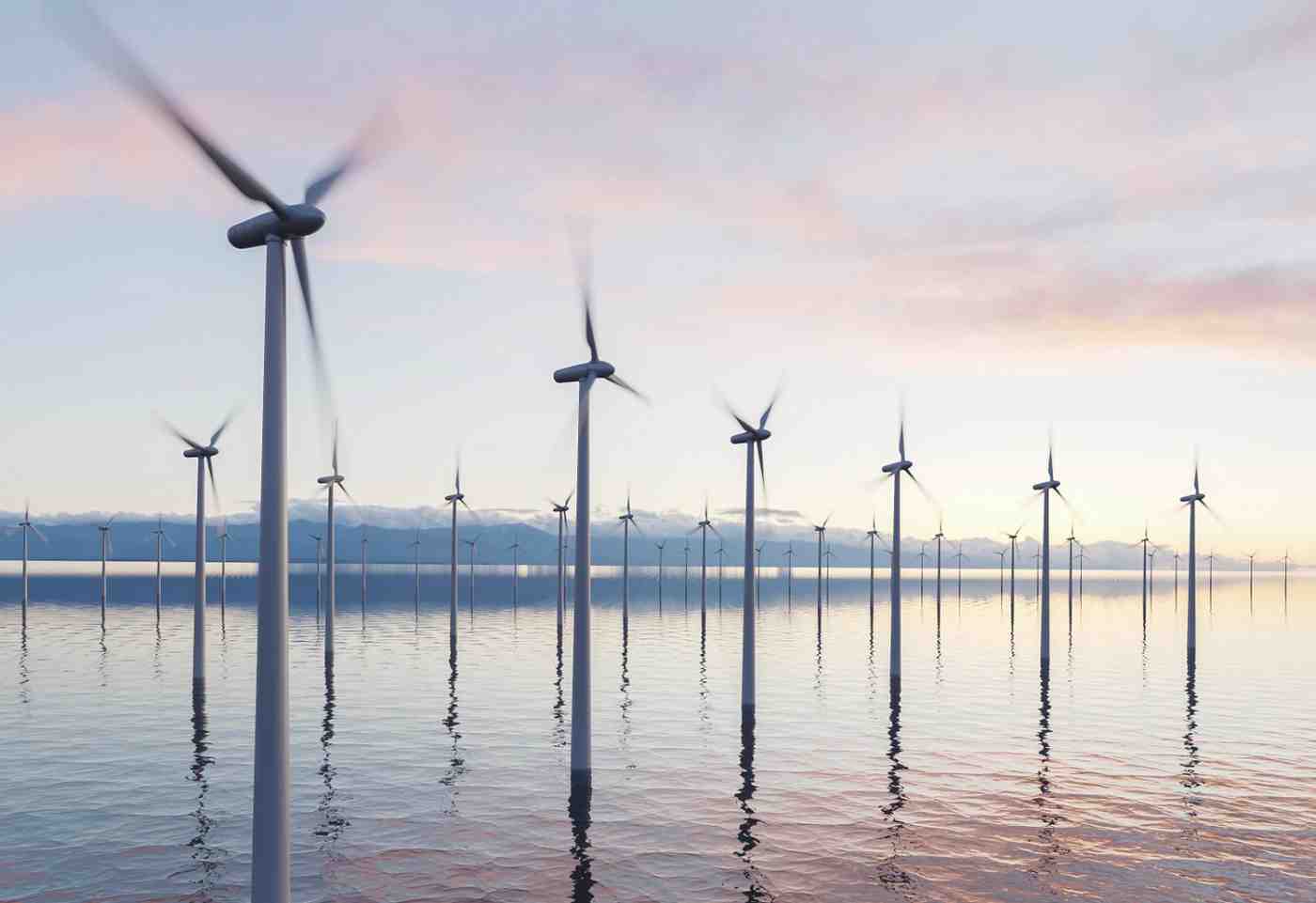
For years, wind energy at sea was limited to shallow coastal areas where turbines could be fixed to the seabed. But much of the world’s strongest and most consistent wind blows over deep water, far from the shore. Floating wind technology changed everything. Instead of being anchored to the ocean floor, floating wind platforms are moored using cables and can be placed in waters that were previously off-limits. This opens up entirely new regions for renewable power generation, including coastlines in Japan, the United States, Norway, and the United Kingdom, where deep waters make fixed foundations impossible.
The technology is still developing, but the pace of growth is remarkable. Countries that once had no viable offshore wind options are now planning large-scale projects. For anyone making energy policy decisions, securing investment, developing infrastructure, or managing supply chains, understanding where this sector is heading matters greatly.
Energy professionals do not just need general updates. They need specific, practical knowledge. What are the real costs of deploying floating turbines at commercial scale? What mooring systems have performed best in real conditions? How are different governments regulating these projects, and what financing options are currently realistic?
These are questions that reports and articles can only partially answer. The deeper answers come from the people who are actively building, funding, and operating these projects. That kind of knowledge exchange requires face-to-face conversation, and it is what makes dedicated industry events so valuable.
Hywind Scotland was the world’s first commercial floating offshore wind farm, developed by Equinor and located off the coast of Peterhead in Scotland. Commissioned in 2017, it has five turbines with a combined capacity of 30 megawatts. The project demonstrated that floating wind could operate reliably in harsh North Atlantic conditions, with capacity factors that often exceeded those of conventional fixed-bottom wind farms in the same period. It showed investors and policymakers that the technology was not just theoretical.
Windfloat Atlantic in Portugal, developed by Ocean Winds, is another project that moved the industry forward. Commissioned in 2020 with three semi-submersible turbines, it was the first commercial floating wind installation in continental Europe. The project proved that semi-submersible platforms could be assembled in port and towed to location, which has significant implications for reducing installation costs at scale.
Both of these projects were case studies discussed at major industry events, and the lessons from them continue to shape decisions being made today across Europe and beyond.
There is a difference between reading about an industry and being part of the conversation that shapes it. When senior engineers, project developers, financiers, and policymakers gather together, things happen that do not happen anywhere else.
People find out about upcoming tenders before they are publicly announced. Supply chain partnerships are formed over lunch. A regulator who hears directly from a developer about a specific permitting barrier can take that feedback back to their team. An investor who was on the fence about a particular technology hears from three project managers who have actually operated it, and their thinking changes.
This is why attendance at the right events is treated seriously by organisations across the energy sector. The conversations in the margins of a conference often matter just as much as the presentations on stage.
Leadvent Group is a Europe-based business-to-business conference organiser that has built a strong reputation in the renewable energy space. Among its most recognised annual events is the Floating Wind Europe conference, which has been running for several years and draws over 150 pre-qualified industry professionals, including developers, engineers, investors, and policymakers.
The 5th Annual Floating Wind Europe took place in Amsterdam in March 2025, covering topics such as cost reduction strategies, supply chain readiness, mooring and anchor systems, dynamic power cables, and the bankability of floating offshore wind projects. Speakers included representatives from organisations such as RWE Offshore Wind, DNV, Aker Solutions, Natixis, and the International Renewable Energy Agency.
Leadvent also organises the 6th Annual Floating Wind Europe, scheduled for London in June 2026, as well as other energy-focused events including the 2nd Annual World Sustainable Aviation Fuel Forum, also planned for Amsterdam in June 2026. Their events are designed for high-level participation with a limited number of attendees, which allows for more meaningful networking and discussion than large-scale trade shows typically permit.
For clean energy professionals who want to engage with the floating wind sector at a serious level, Leadvent’s events represent a practical and well-organised option. More information is available at www.leadventgrp.com.
The clean energy transition is one of the most complex industrial shifts in modern history, and floating wind is one of its most promising and challenging frontiers. For decision-makers in this space, access to the right information, the right people, and the right conversations is not a luxury. It is part of the job.
A well-organised floating wind conference brings together the people building this industry and gives everyone in the room a clearer picture of where things stand and where they are going. Whether you are deciding where to invest, what technology to back, or how to shape policy, being part of that conversation puts you in a better position than sitting outside it.
Q1. Who should attend a floating wind conference?
These events are designed for professionals actively involved in offshore wind, including project developers, engineers, investors, financiers, supply chain companies, and policymakers. They are particularly useful for anyone making strategic or commercial decisions related to offshore renewable energy.
Q2. What topics are typically covered at these events?
Common topics include technology development and cost reduction, financing and bankability, mooring and foundation systems, grid connection and power cables, port and supply chain readiness, regulatory frameworks, and operational experiences from existing projects.
Q3. How is floating wind different from fixed-bottom offshore wind?
Fixed-bottom turbines are anchored directly to the seabed and can only be placed in relatively shallow water, generally up to around 60 metres deep. Floating platforms use mooring lines and can be deployed in much deeper waters, which opens up far more of the world’s coastline for offshore wind development.
Q4. Is floating wind technology commercially viable yet?
It is moving in that direction. Projects like Hywind Scotland and Windfloat Atlantic have shown that the technology works in real conditions. The current focus of the industry is on reducing costs sufficiently to compete with fixed-bottom wind at commercial scale, which is expected to happen as projects become larger and supply chains mature.
Q5. How do I find out about upcoming floating wind industry events?
Organisations like Leadvent Group publish their upcoming events on their website. Industry bodies such as WindEurope and the World Forum Offshore Wind also maintain event calendars relevant to the offshore wind sector.

© 2025 Crivva - Hosted by Airy Hosting Managed Website Hosting.