

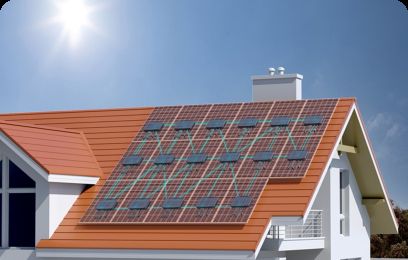
A solar panel can only do its best work if the electronics behind it keep up. That gets tricky on real roofs, where one panel may face morning sun, another gets clipped by a chimney shadow, and a third sits under leaves by late afternoon. That is where micro inverters start to make sense.
A micro inverter is a small inverter installed at the panel level, converting each solar module’s DC electricity into AC electricity right on the roof. In a traditional string inverter setup, several panels are wired together and managed as a group. With micro inverters, each panel works more independently.
That difference sounds technical, but the homeowner impact is simple: one underperforming panel is less likely to drag down the rest of the array.
For a clean, south-facing roof with no shade and one simple plane, a string inverter can still be a practical choice. But for a roof with mixed angles, partial shading, dormers, trees, or future expansion plans, a micro inverter for home solar may offer more flexibility.
Micro inverters are not automatically “better” in every case. They are better suited to certain roof and ownership situations.
They usually make the most sense when:
The shading point is especially important. According to a National Renewable Energy Laboratory shading testbed study, a microinverter setup improved production by 3.7% under light shading, 7.8% under moderate shading, and 12.3% under heavy shading compared with a reference string inverter case. Those gains are not universal, but they show why roof conditions matter more than brand slogans.
The main downside is complexity. A micro inverter system has electronics under each panel, which can mean more rooftop components than a single string inverter system. Installation design and long-term service access still matter.
Cost can also be higher upfront, depending on system size and local labor. For a large, simple roof, the extra panel-level electronics may not produce enough added value to justify the price difference.
That said, panel-level visibility is useful. If one module is underperforming, monitoring can make the issue easier to identify. For homeowners who want to understand how their array is behaving rather than just wait for a monthly bill, that can be a meaningful advantage.
A good micro inverter decision starts with the roof, not the product sheet. Before choosing, homeowners should ask an installer for a shade analysis, expected annual production, equipment layout, warranty terms, and service plan.
Product details still matter. Sigenergy’s SigenMicro inverter, for example, is positioned for module-level optimization and monitoring, with listed features such as 97.5% maximum efficiency, IP67 protection, rapid shutdown support, and integration through the mySigen App. Those specs are worth comparing against the actual needs of the home.
The broader market also helps explain why these decisions are getting more attention. According to IEA-PVPS, solar PV represented more than 75% of new renewable capacity installed in 2024. As rooftop solar becomes more common, the quality of the system design matters just as much as the panels themselves.
For a simple, sunny roof, a micro inverter may be optional; for a shaded, multi-angle, or expandable home system, it can be the detail that makes solar work more smoothly over time. Homeowners comparing options can review Sigenergy’s product page as one reference point before discussing system design with a qualified installer.

© 2025 Crivva - Hosted by Airy Hosting Managed Website Hosting.