


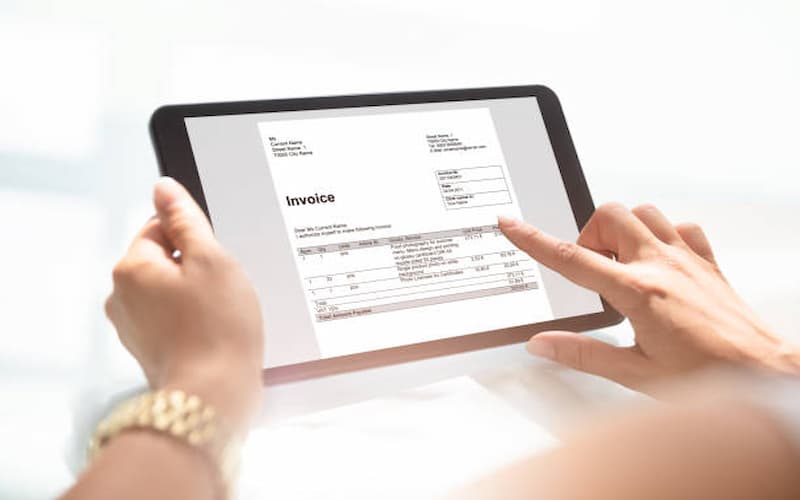
The introduction of digital tax compliance frameworks has transformed how businesses operate globally, and Saudi Arabia is no exception. With the rollout of E-invoicing in Saudi Arabia under the Zakat, Tax and Customs Authority (ZATCA), companies engaging in cross-border trade are experiencing both improved transparency and new operational complexities. While the system enhances tax compliance and reduces fraud, cross-border invoicing under ZATCA introduces a set of challenges that businesses must navigate carefully to remain compliant and efficient.
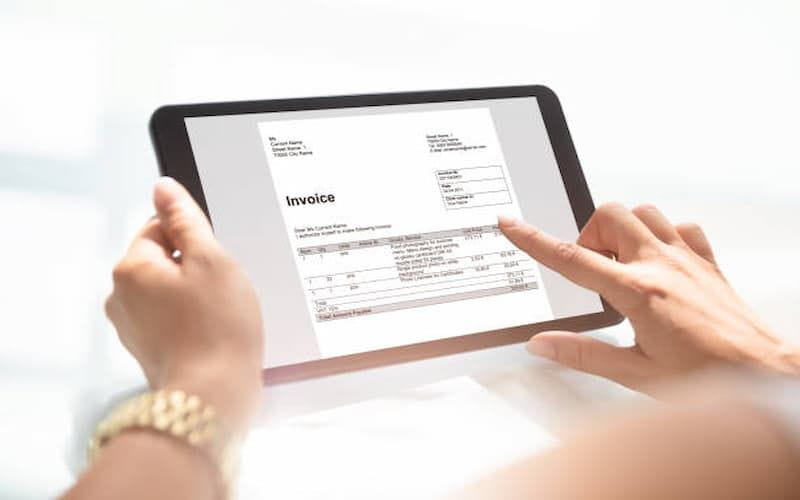
ZATCA introduced e-invoicing regulations to digitize invoice issuance, storage, and reporting. The system is designed in two phases: Phase 1 (Generation Phase) and Phase 2 (Integration Phase). In Phase 1, businesses must generate and store invoices electronically in a structured format. Phase 2 requires integration with ZATCA’s FATOORA platform, enabling real-time or near real-time reporting of invoices.
While the system primarily focuses on domestic transactions, its implications extend significantly to cross-border invoicing, especially for importers, exporters, and multinational companies operating in Saudi Arabia.
One of the biggest challenges in cross-border invoicing under ZATCA is managing compliance across different tax jurisdictions. Businesses often deal with:
Value Added Tax (VAT) regulations in Saudi Arabia
Export regulations in the country of origin
Import duties and customs rules in the destination country
Each jurisdiction has its own invoicing requirements, formats, and documentation standards. Aligning these with ZATCA’s structured e-invoicing requirements can be difficult, especially for companies operating in multiple regions.
For example, an invoice issued from a European supplier to a Saudi buyer must satisfy EU tax documentation requirements while also being compatible with ZATCA’s validation rules. Any mismatch can lead to invoice rejection or delays in customs clearance.
ZATCA mandates invoices in specific digital formats such as XML and PDF/A-3 with embedded XML. However, many global businesses still operate using legacy ERP systems that generate invoices in varied formats.
Cross-border transactions often involve multiple invoicing systems that do not naturally align. Challenges include:
Inconsistent data fields across countries
Differences in tax codes and item classification
Currency conversion handling
Variations in invoice numbering systems
These inconsistencies make it difficult to standardize invoices for ZATCA compliance, requiring businesses to invest in middleware or ERP customization.
ZATCA’s Phase 2 requires near real-time reporting of invoices to its platform. While this improves transparency, it creates challenges for cross-border transactions involving different time zones.
For instance, a transaction initiated in the United States and completed in Saudi Arabia may fall under different business days depending on timing. This affects:
Invoice submission deadlines
Tax period alignment
Reporting accuracy
Companies must implement systems capable of synchronizing invoice generation and submission across global operations to avoid penalties for delayed reporting.
Cross-border invoicing inherently involves multiple currencies. Under ZATCA regulations, invoices must typically reflect values in Saudi Riyals (SAR) for tax reporting purposes.
This introduces several complications:
Exchange rate fluctuations between transaction date and reporting date
Differences between invoicing currency and settlement currency
Potential discrepancies in VAT calculations due to rounding or conversion rates
Businesses must ensure that their ERP systems apply consistent exchange rate sources and maintain audit trails for currency conversions to avoid compliance issues.
For import and export transactions, invoices are closely linked to customs declarations. ZATCA’s system is increasingly integrated with customs processes, meaning invoice discrepancies can directly impact clearance times.
Common issues include:
Mismatch between invoice value and declared customs value
Missing product classification codes (HS codes)
Incorrect buyer/seller identification details
Incomplete shipment descriptions
Even minor inconsistencies can trigger customs delays, additional inspections, or penalties. This makes accuracy in cross-border invoicing more critical than ever.
Many multinational companies rely on complex ERP systems like SAP, Oracle, or Microsoft Dynamics. Integrating these systems with ZATCA’s e-invoicing platform is not always straightforward.
Key technical challenges include:
API integration with FATOORA system
Real-time data validation and error handling
Legacy system compatibility
High implementation costs for customization
Smaller businesses may struggle more due to limited IT resources, often relying on third-party e-invoicing service providers to bridge the gap.
Cross-border transactions often involve different tax treatments such as zero-rated exports, reverse charge mechanisms, or VAT exemptions. Misinterpretation of these rules can lead to compliance risks.
For example:
An export invoice may be incorrectly taxed if classified as domestic supply
Reverse charge VAT may not be properly applied for imported services
Mixed-supply invoices may be incorrectly structured
ZATCA’s strict validation rules increase the risk of rejection if tax codes are incorrectly applied.
ZATCA requires businesses to store e-invoices for a defined period in a secure and accessible format. For cross-border transactions, this becomes more complex due to:
Multiple storage systems across subsidiaries
Different legal retention requirements in various countries
Large volumes of transactional data
Need for audit readiness across jurisdictions
Businesses must implement centralized document management systems to ensure consistency and compliance during audits.
The cumulative effect of these challenges can lead to operational inefficiencies. Common impacts include:
Delayed invoice approvals
Slower payment cycles
Customs clearance delays
Increased administrative workload
For companies heavily dependent on international trade, even minor invoicing issues can disrupt supply chains and cash flow cycles.
Finally, cross-border invoicing under ZATCA requires a higher level of expertise than traditional invoicing systems. Businesses need professionals who understand:
Saudi VAT laws and ZATCA regulations
International tax treaties
ERP configuration and integration
Customs documentation requirements
The shortage of skilled professionals in this niche area often leads to increased reliance on external consultants, raising operational costs.
While ZATCA’s e-invoicing system represents a major step toward digital tax transformation, cross-border invoicing introduces a layer of complexity that businesses cannot ignore. From multi-jurisdiction compliance and currency conversion issues to ERP integration and customs alignment, companies must adapt their processes to ensure smooth operations.
Organizations that invest in robust digital infrastructure, standardized invoicing systems, and skilled compliance teams will be better positioned to navigate these challenges. Ultimately, success in cross-border invoicing under ZATCA depends on a balance between technological readiness and regulatory understanding.

© 2025 Crivva - Hosted by Airy Hosting Managed Website Hosting.