

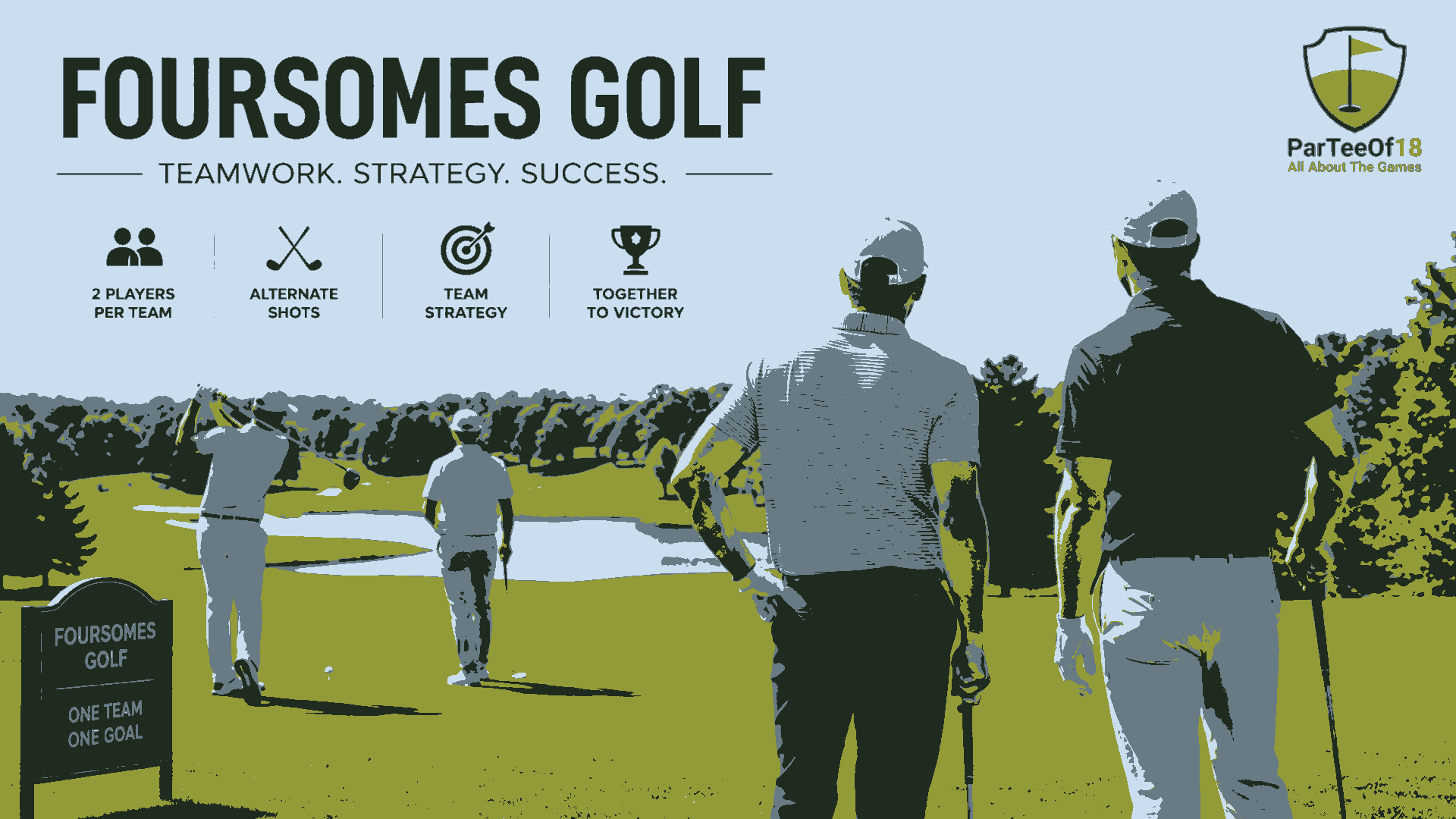
Golf has produced countless memorable moments, but some of the most dramatic contests have come in team events where partnership, strategy, and trust are tested under immense pressure. Among the most challenging formats in the sport is Foursomes Golf, where two teammates alternate shots using a single ball. Every swing affects not only the player but also their partner, creating a unique blend of skill and teamwork.
Over the years, professional foursomes matches have delivered unforgettable victories, stunning comebacks, and iconic performances that remain part of golf history. This article explores some of the greatest foursomes contests ever played and explains why these matches continue to inspire golfers worldwide.
Unlike individual competition, foursomes demands complete coordination between teammates. Players must adapt to each other’s strengths, manage pressure together, and recover quickly from mistakes.
Because every shot influences the next, tension builds throughout the round. A single great approach shot or clutch putt can completely change the outcome of a match. This unique format often produces some of the most emotional moments in professional golf.
The Foursomes Golf format has become a cornerstone of prestigious team events such as the Ryder Cup, Solheim Cup, and Presidents Cup.
One of the most famous moments in golf history occurred during the 1969 Ryder Cup at Royal Birkdale.
The competition came down to the final match featuring legendary players from both sides. With the result hanging in the balance, sportsmanship ultimately became the defining story. The match ended in a tie after a remarkable display of skill and respect.
The United States retained the Ryder Cup, but what fans remember most is the gesture of conceding a crucial putt rather than forcing a playoff-like finish. The event became a symbol of golf’s traditions and remains one of the most celebrated moments in team competition.
For decades, the United States dominated Ryder Cup competition. That changed dramatically in 1985 at The Belfry in England.
European players embraced the pressure of alternate-shot competition and produced several outstanding performances in the foursomes sessions. Their teamwork and determination helped secure Europe’s first Ryder Cup victory since 1957.
Many golf historians view this victory as the beginning of a new era in international golf. It transformed the Ryder Cup into one of the most competitive events in sports and highlighted the importance of strong partnerships in team formats.
Few partnerships have ever been as successful as the combination of Seve Ballesteros and José María Olazábal.
Throughout multiple Ryder Cups, the Spanish duo consistently delivered under pressure. Their chemistry, confidence, and ability to complement each other’s games made them one of the most feared pairings in golf.
Their performances during the 1991 Ryder Cup were particularly memorable. Facing elite American teams, they repeatedly won crucial points for Europe and demonstrated how effective teamwork can overcome even the strongest opposition.
Many experts still consider Ballesteros and Olazábal the greatest foursomes partnership in Ryder Cup history.
The Ryder Cup at Brookline remains one of the most dramatic events golf has ever seen.
Europe entered the final day with a significant lead, but the United States mounted an extraordinary comeback. While the singles matches received most of the attention, the earlier foursomes contests played a critical role in keeping the Americans within striking distance.
Several tightly contested alternate-shot matches showcased exceptional shot-making and resilience. The emotional atmosphere throughout the week elevated every point and helped create one of the most memorable Ryder Cups ever played.
The event demonstrated how important every foursomes session can be in determining the overall outcome.
Another historic Ryder Cup moment arrived in 2012 at Medinah Country Club.
Europe trailed significantly entering the final day, yet managed one of the greatest comebacks in sports history. Before the singles matches began, strong performances during foursomes and four-ball sessions had kept Europe close enough to remain hopeful.
Key partnerships delivered under pressure throughout the competition. Their ability to win critical alternate-shot matches laid the foundation for the dramatic final-day turnaround.
The victory became known as the “Miracle of Medinah” and remains one of the greatest examples of teamwork in golf history.
The 2003 Presidents Cup produced one of the most intense team competitions ever witnessed.
Held in South Africa, the event featured numerous closely contested foursomes matches between the United States and the International Team. Every session felt like a major championship due to the quality of play and competitive spirit displayed by both sides.
The competition eventually ended in a tie after an extended playoff failed to separate the teams. While no official winner emerged, the event showcased how thrilling alternate-shot golf can be at the highest level.
The Solheim Cup has generated many historic moments in women’s golf.
Over the years, players from Europe and the United States have produced remarkable performances during foursomes sessions. The format often creates dramatic momentum swings because every hole carries significant importance.
Partnerships such as those featuring elite stars from both teams have delivered clutch putts, incredible recoveries, and emotional celebrations that continue to inspire future generations of golfers.
The Solheim Cup proves that foursomes competition can produce unforgettable moments regardless of gender.
Looking at the most successful teams in history reveals several common traits.
Strong partnerships communicate effectively before and during every shot.
Players must trust their partner’s decisions, especially under pressure.
Many great teams combine different strengths, such as a powerful driver paired with an exceptional iron player.
Successful partnerships remain calm after mistakes and focus on the next opportunity.
These qualities often separate good teams from truly historic ones.
Today’s players have access to more information than ever before. Practice statistics, shot-tracking systems, and performance analysis tools help teams prepare for competition.
A modern golf scoring app can also assist golfers in tracking rounds, analyzing performance trends, and evaluating strengths across different formats. Whether preparing for club competitions or casual matches, digital scoring tools provide valuable insights that were unavailable to previous generations.
Many amateur teams now use a golf scoring app to monitor consistency, identify weaknesses, and improve decision-making during alternate-shot competitions.
Historic professional matches offer valuable lessons for everyday golfers.
These principles apply at every level of the game and can significantly improve results in team competitions.
The history of professional golf is filled with legendary team performances, unforgettable comebacks, and partnerships that changed the sport forever. From Ryder Cup classics to dramatic Solheim Cup battles, foursomes competition continues to produce some of golf’s most compelling moments.
The format rewards trust, strategy, and cooperation in ways that individual golf never can. As fans look back on these historic matches, they serve as reminders that great teamwork often creates the most memorable chapters in golf history.
Foursomes is a team format where two players alternate shots using one golf ball throughout the round.
The Ryder Cup is widely considered the most famous competition featuring foursomes play.
Many golf experts consider the partnership of Seve Ballesteros and José María Olazábal among the greatest in team golf history.
Because teammates alternate every shot, each decision directly impacts both players, creating intense pressure and excitement.

© 2025 Crivva - Hosted by Airy Hosting Managed Website Hosting.