


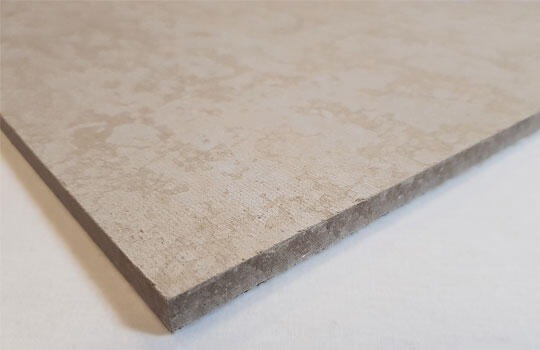
Standard plasterboard is one of the most widely used building materials in construction and renovation projects. While many products appear similar, differences in manufacturing quality, consistency, and performance can affect the final result. Brand selection may influence factors such as installation ease, durability, and compliance with industry standards. Understanding whether brand differences matter helps builders and homeowners make informed purchasing decisions while ensuring reliable project outcomes.
Plasterboard is one of the most widely purchased construction materials in the world, and it is also one of the most commonly bought purely on price. The reasoning seems logical — board is board, the specifications look similar, and the differences appear cosmetic. In practice, there are meaningful variations between manufacturers and product ranges that affect how boards behave during installation, how they finish under skim or direct decoration, and how they perform over the long service life of a building.
Beyond improving workmanship, these qualities also have a direct impact on productivity and profitability. Fewer defects mean less material waste, fewer replacements, and reduced rework throughout the manufacturing process. Consistency also enables faster machining, improved assembly accuracy, and better final presentation, which is particularly important for high-volume
Key Benefits of Choosing a High-Quality Standard Plasterboard
The term standard plasterboard covers boards with a gypsum core encased in recycled-content paper facing on both sides. The core density, paper quality, core additives, and face texture vary between manufacturers and product lines, even within the ‘standard’ category. Core density affects both the acoustic mass of the board (denser boards transmit less sound) and its resistance to mechanical damage from knocks and scuffs. Paper quality affects how well the board accepts skim plaster — boards with inconsistent face paper absorb skim unevenly, creating suction variations that make a flat finish difficult to achieve.
Edge profile is another variable. Square-edge boards are used where joints will be covered by a skim coat; taper-edge boards have recessed edges that allow jointing tape and compound to sit flush with the board face, enabling a direct-decorate finish. Using the wrong edge type for the intended finish system is a common source of visible joint lines in completed work.
Using the wrong edge type can lead to visible joint lines, uneven surfaces, and additional remedial work once the project is complete.
Additional benefits of choosing the correct edge profile include:
Leading board brands invest in core consistency, edge precision, and paper-to-core bond quality in ways that affect day-to-day workability on site. Boards from consistent manufacturers cut cleanly without crumbling, snap straight along scored lines, and accept fixings at the correct holding force without over- or under-driving. Less consistent boards can have variable core density even within a single pallet, leading to different nail or screw penetration depths across a wall that then require different finishing treatment.
For acoustic applications, the nominal surface density of plasterboard — typically 8–12 kg/m² for standard boards — is published in technical data sheets. But the actual density can vary slightly between batches with lower-specification products. For acoustic compliance testing and certification, this variability can affect whether a tested system is genuinely representative of the as-built assembly.
Standard boards are appropriate for the majority of dry internal wall and ceiling applications. The decision to specify a specialist product — acoustic board, moisture-resistant board, fire-rated board, or impact-resistant board — should be based on the performance requirement of that specific location. Specifying a premium product throughout a project where standard board would meet the requirement adds cost without benefit; specifying standard board in locations where a specialist product is needed is a false economy that creates remedial work.
Even the best-specification board performs poorly if stored or handled incorrectly. Boards should be stored flat, off the ground, in dry conditions. Boards stored on edge tend to bow over time as the gypsum core creeps under its own weight, making them difficult to fit flat to studs or furring. Damage to board edges during handling is another common site issue that increases waste and slows installation — the use of board trolleys and edge protectors on longer deliveries is worth the small additional effort.
Taking the time to select the right plasterboard for the intended application also ensures compliance with relevant building standards and can contribute to lower labour costs over the course of a project.
Insulation Point Limited supplies plasterboard from established manufacturers alongside specialist acoustic, moisture-resistant, and fire-rated variants, giving customers the choice to specify exactly the right product for each part of a project. With a comprehensive product range and expert guidance, customers can confidently select solutions that deliver reliable performance, efficient installation, and lasting value for both residential and commercial construction projects.

© 2025 Crivva - Hosted by Airy Hosting Managed Website Hosting.