


When it comes to skincare, certain ingredients have earned a reputation for their effectiveness and versatility, and niacinamide is one of them. Whether you’re a skincare newbie or a seasoned enthusiast, this ingredient has likely crossed your path. From serums and moisturizers to even DIY concoctions like a rice water face toner, niacinamide has become a staple in many skincare routines due to its ability to target multiple skin concerns simultaneously.
Niacinamide, also known as vitamin B3, is celebrated for its gentle yet powerful effects. Unlike harsh acids or retinoids, it works well for most skin types, including sensitive skin. Its multifaceted benefits—from improving the skin barrier to reducing inflammation—have made it a favorite among dermatologists and beauty enthusiasts alike. But with its rising popularity, there are also many myths and misconceptions about how it works and what it can do. In this blog, we’ll dive deep into what niacinamide is, how it works, its key benefits, proper usage, and common myths.
Niacinamide, or nicotinamide, is a water-soluble form of vitamin B3. This vitamin is essential for converting food into energy and maintaining healthy skin. In skincare, niacinamide has gained recognition for its impressive ability to improve skin texture, tone, and overall health without causing irritation. Unlike vitamin C, which is often unstable in formulations, niacinamide is more stable and can be combined with a wide variety of other ingredients.
Because it is so versatile, niacinamide is found in a range of products, from serums and creams to masks and toners. Its popularity in both DIY and commercial skincare stems from its ability to address multiple concerns with a single ingredient—a true multitasker in the world of beauty.
Niacinamide works at the cellular level to enhance skin health in several ways. It primarily functions by strengthening the skin barrier, which is the protective layer that keeps moisture in and harmful pollutants out. A robust barrier reduces sensitivity, irritation, and water loss, leading to healthier, more resilient skin.
Additionally, niacinamide has anti-inflammatory properties, making it effective in soothing redness, irritation, and conditions like acne or rosacea. It also regulates sebum production, which helps control oiliness and prevent clogged pores. Moreover, niacinamide encourages the production of ceramides, proteins, and lipids—key components that maintain skin structure and hydration.
In essence, niacinamide addresses multiple layers of skin health simultaneously: surface hydration, barrier function, and cellular repair. This makes it a foundational ingredient in preventative and corrective skincare routines.
Niacinamide is praised not only for its versatility but also for its measurable benefits across a wide range of skin concerns. Here are the most notable benefits:
For individuals with sensitive skin, acne, or conditions like rosacea, niacinamide’s anti-inflammatory properties can significantly calm irritation. It reduces redness and swelling, giving the skin a more even, soothing appearance.
A strong skin barrier is essential for preventing moisture loss and protecting against external irritants. Niacinamide promotes the production of ceramides, which are lipid molecules that form the protective outer layer of the skin.
Excessive sebum can lead to clogged pores and breakouts. Niacinamide helps regulate oil production without drying out the skin, making it suitable for oily and combination skin types.
By regulating sebum and improving skin elasticity, niacinamide can reduce the appearance of enlarged pores, giving skin a smoother texture over time.
Niacinamide inhibits the transfer of pigment within the skin, which can reduce dark spots and uneven skin tone. While it doesn’t bleach the skin, it gradually evens out discoloration with consistent use.
By enhancing skin elasticity and reducing water loss, niacinamide helps minimize fine lines and wrinkles. It also supports collagen production, which is crucial for maintaining youthful-looking skin.
Niacinamide is available in various concentrations, typically ranging from 2% to 10% in over-the-counter skincare products. Lower concentrations (2–5%) are ideal for sensitive skin or beginners, while higher concentrations (5–10%) are more targeted for concerns like hyperpigmentation or acne.
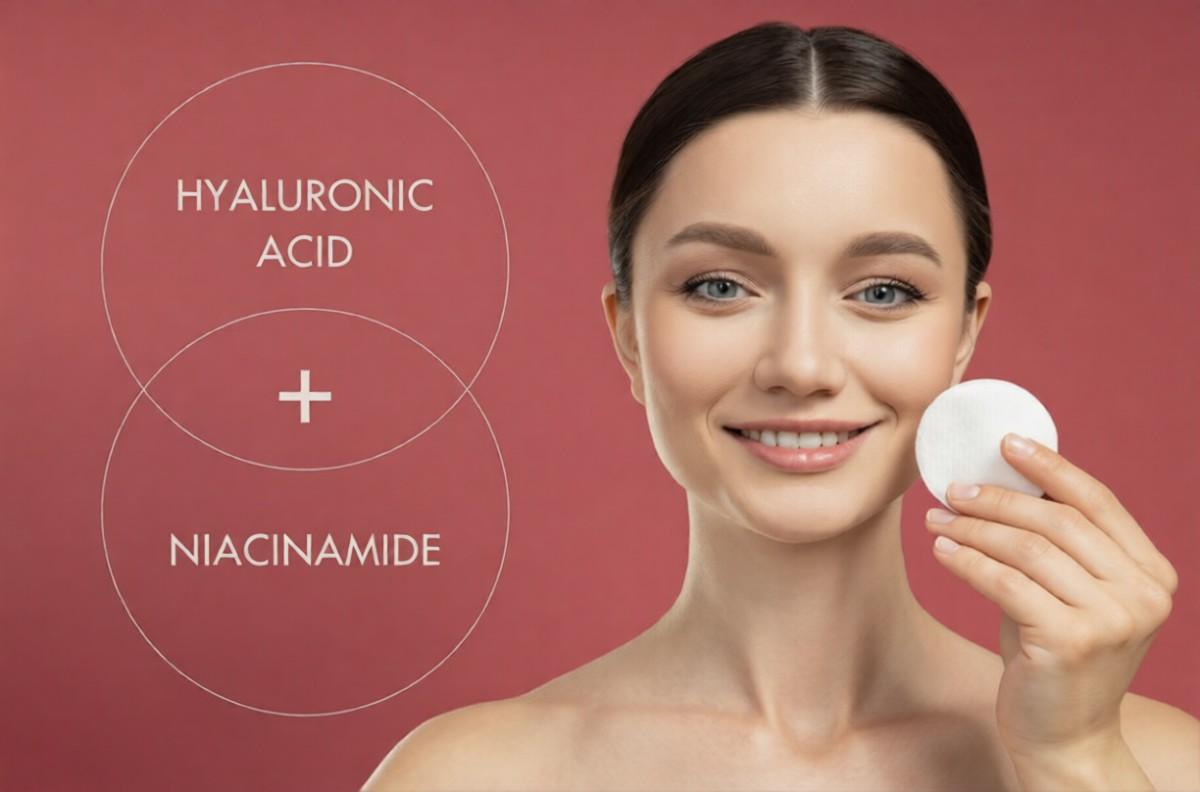
In addition to serums, creams, and lotions, niacinamide can be found in multi-ingredient formulations. It pairs well with hyaluronic acid for hydration, peptides for anti-aging, and even gentle exfoliants. However, it’s important to note that it should not be combined with pure vitamin C in the same product, as this can reduce the effectiveness of both ingredients.
Niacinamide is versatile and generally safe for daily use. Here’s how to incorporate it effectively:
Cleansing: Begin with a gentle cleanser to remove dirt, oil, and makeup.
Toning (Optional): A toner can help prepare the skin to absorb niacinamide better. This is where products like a rice water face toner can complement your routine, offering hydration and a soothing effect.
Serum or Treatment: Apply a niacinamide serum directly after toning. Use a few drops and gently pat it onto the skin.
Moisturizer: Follow with a moisturizer to lock in hydration and support the skin barrier.
Sunscreen (Daytime): Always finish your morning routine with sunscreen, as niacinamide enhances barrier function but does not replace UV protection.
Consistency is key—results typically appear after 4–12 weeks of regular use. Start with once daily if you have sensitive skin, then gradually increase to twice daily if tolerated.
Despite its popularity, niacinamide has been surrounded by myths. Let’s address the most common ones:
Some believe niacinamide can clog pores, but research shows it actually helps regulate sebum and reduces inflammation, which can prevent acne rather than cause it.
This myth originates from older studies suggesting instability between the two. Modern formulations and pH-balanced products allow for safe combination, though many still prefer using them at different times of the day.
Niacinamide is effective but gradual. Improvements in skin barrier function, pigmentation, and pore size can take weeks to months, depending on concentration and consistency.
Higher concentrations may be beneficial for targeted concerns but can irritate sensitive skin. For most users, 5% is a sweet spot for balancing efficacy and tolerance.
Niacinamide is considered one of the gentlest skincare ingredients. However, some individuals may experience mild irritation, redness, or itching, especially when first introduced or if used at very high concentrations. Patch testing before full application is recommended.
It’s also important to combine niacinamide with complementary products. Avoid mixing it with harsh acids directly (like high-strength AHAs or BHAs) as this may cause temporary irritation.
Understanding how niacinamide compares with other ingredients can help tailor your routine:
Vitamin C: Both are antioxidants, but vitamin C is more suited for brightening and photoprotection, while niacinamide focuses on barrier support and calming inflammation.
Retinol: Retinol accelerates cell turnover and reduces wrinkles, while niacinamide supports the skin barrier and hydration. They can complement each other if used properly.
Hyaluronic Acid: Hyaluronic acid hydrates, whereas niacinamide strengthens the barrier and regulates oil. Together, they create plump, resilient skin.
Layer Wisely: Apply niacinamide after cleansing and toning but before heavy creams.
Consistency Matters: Daily use provides the best results.
Combine with Soothing Ingredients: Ingredients like aloe vera, ceramides, and peptides enhance niacinamide’s effects.
Adjust Concentration Slowly: Start low and increase if needed to minimize irritation.
Pat, Don’t Rub: Gentle application improves absorption and reduces potential irritation.
Niacinamide is a versatile, science-backed ingredient suitable for almost every skin type. Whether your goal is to reduce redness, control oil, improve texture, or fight early signs of aging, it offers measurable benefits without harsh side effects. By understanding its functions, using it correctly, and debunking common myths, you can harness the full potential of niacinamide in your skincare routine.
Incorporating it alongside hydrating toners, moisturizers, and sun protection can transform your skincare experience. For those experimenting with natural remedies, even products like a rice water face toner can work synergistically with niacinamide to provide gentle hydration and support the skin barrier.
With patience and consistency, niacinamide can truly become a cornerstone ingredient in achieving healthier, balanced, and radiant skin.

© 2025 Crivva - Hosted by Airy Hosting Managed Website Hosting.