One of the most reliable tools for improving online privacy is a VPN (Virtual Private Network). VPNs have become increasingly popular among individuals who want to secure their internet connections, hide their digital identity, and protect sensitive data from unwanted access. While the concept might sound technical at first, the idea behind a VPN is actually quite simple. It creates a safer and more private environment for your internet activity. Understanding how a VPN works and how it protects your data can help you make smarter decisions about your online security.
What Is a VPN?
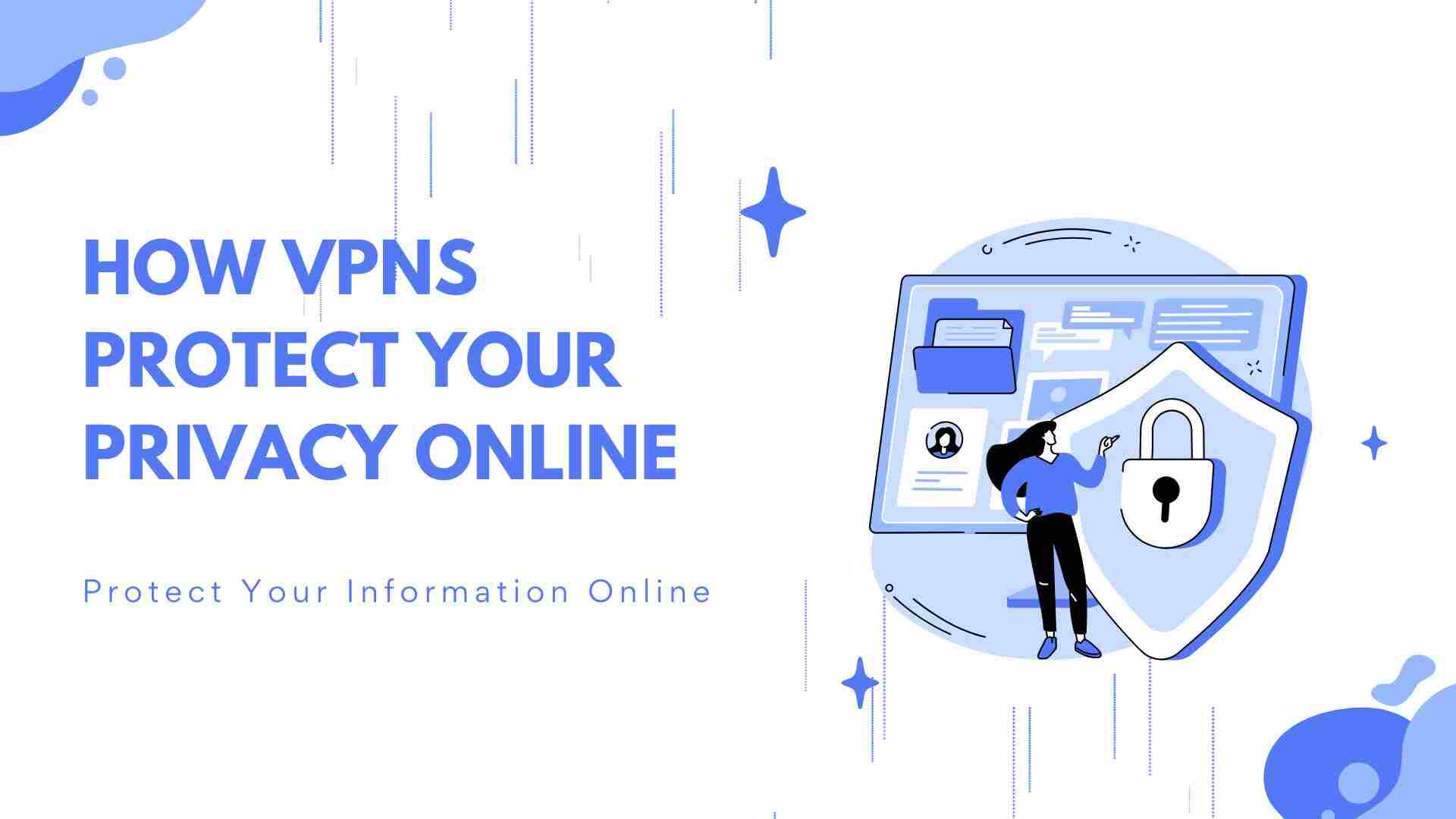
A Virtual Private Network, commonly known as a VPN, is a technology designed to create a secure connection between your device and the internet. Instead of connecting directly to websites or online services, your data first travels through a VPN server. This server acts as a middle layer that shields your identity and encrypts your internet traffic.
Imagine sending a letter through a special secure tunnel rather than through a regular mail route. Anyone trying to intercept the letter outside the tunnel would see only an unreadable package rather than the actual message. That’s essentially what a VPN does with your internet data. It places your online activity inside an encrypted tunnel, making it far more difficult for outsiders to view or manipulate.
When you use a VPN, your internet service provider (ISP), network administrators, and potential attackers cannot easily see what websites you visit or what data you send. Instead of your real connection details being visible, your traffic appears to come from the VPN server. This additional layer of privacy is what makes VPNs such a valuable tool for individuals concerned about online tracking or surveillance.
VPNs are widely used by businesses to protect company data, but they have also become extremely popular among everyday users who want better security while browsing, streaming, or working remotely
How VPNs Hide Your IP Address
Every device connected to the internet has an IP address, which acts like a digital identification number. This address reveals information about your general location and internet provider. Websites, advertisers, and online services often use IP addresses to track user behavior, deliver targeted ads, and monitor online activity.
When you connect to a VPN, your real IP address is hidden. Instead, the VPN assigns you a different IP address from one of its servers. As a result, websites and online services see the server’s location rather than your actual location.
For instance, if you are browsing from Pakistan but connect to a VPN server located in Germany, the websites you visit will believe you are accessing the internet from Germany. This simple shift adds an extra layer of anonymity and helps prevent websites from accurately identifying your location.
Hiding your IP address is important for several reasons. First, it protects your identity by making it harder for third parties to link your activity back to you. Second, it limits the amount of personal data companies can collect about your browsing habits. Finally, it reduces the risk of targeted cyberattacks that rely on identifying specific users or devices.
While an IP address alone may not reveal everything about you, it plays a major role in building digital profiles. Masking it with a VPN significantly reduces the chances of your online actions being tracked across different platforms.
Encryption: The Core of VPN Privacy
Encryption is what makes a VPN so powerful. It converts your data into unreadable code while it’s in transit. Even if someone intercepts your data, they won’t be able to understand it without the decryption key.
Most reputable VPNs use AES-256 encryption, which is the same standard used by banks and governments. This level of encryption ensures that your passwords, messages, and sensitive information remain private.
Protection on Public Wi-Fi
Public Wi-Fi networks, like those in cafes, airports, or hotels, are notorious for being unsafe. Hackers can easily set up traps on these networks to steal personal information.
Using a VPN on public Wi-Fi creates a secure tunnel for your data, preventing hackers from accessing your browsing history, login credentials, or financial information. Many VPN services even offer a VPN free trial, so you can test their protection on public networks before committing.
Preventing Tracking and Online Profiling
Many websites, social media platforms, and advertisers track your online behavior to build detailed profiles. They use this information for targeted ads, content suggestions, and sometimes even to sell your data.
By using a VPN, your internet traffic is routed through different servers, making it harder for companies to track your online activity. Combined with features like no-log policies, VPNs can help you stay anonymous online and protect your digital footprint.
Bypassing Geo-Restrictions
While privacy is the main goal, VPNs also allow you to access content that may be restricted in your region. Streaming services, social media platforms, and websites sometimes limit content based on your location. A VPN can make it appear as if you’re browsing from another country, helping you access restricted content safely and privately.
Choosing the Right VPN
Not all VPN services provide the same level of security or reliability, so choosing the right one is essential. A high-quality VPN should include several key features that ensure both privacy and performance.
First, look for strong encryption, preferably AES-256, which offers the highest level of data protection. Second, check whether the provider follows a strict no-log policy, ensuring your browsing activity is not stored or shared.
Other important features include DNS and IP leak protection, which prevent your real location from accidentally being exposed, and high-speed servers that allow smooth browsing and streaming without significant slowdowns.
Free VPN services can sometimes appear attractive, but they often come with limitations such as slower speeds, restricted server locations, and weaker security measures. Some free providers even collect user data and sell it to advertisers, which defeats the purpose of using a VPN in the first place.
A safer approach is to choose a reputable provider that offers a VPN free trial or money-back guarantee. This allows you to evaluate the service, test its speed and security, and determine whether it meets your needs before making a long-term commitment
Final Thoughts
In a world where our personal data is constantly at risk, protecting your privacy online isn’t optional—it’s essential. A VPN acts as a digital shield, hiding your IP address, encrypting your data, and keeping your online activity safe from prying eyes.
Whether you’re working remotely, shopping online, or simply browsing the web, using a VPN ensures your digital footprint remains private. By trying a VPN free trial, you can experience the benefits of secure browsing firsthand and choose the best provider for your needs.