The construction quality of asphalt pavement projects directly determines road driving comfort, traffic safety, and the design service life of 15 to 20 years. The overall construction consists of eight core stages: pre-construction preparation, centralized mixing and production of asphalt mixture, on-site paving operation, layered compaction, special joint treatment, whole-process quality inspection, post-construction maintenance and traffic opening, as well as environmental protection and safety protection. Each procedure is subject to standardized construction parameters and mandatory technical control requirements. Full-process closed-loop management is implemented for key details, including subgrade reinforcement, raw material quality inspection, equipment precision commissioning, mixing temperature control, uniform paving, layered compaction, and timely disease treatment. Combined with scientific and standardized environmental protection & safety measures and differentiated practical construction cases for expressways and municipal roads, the whole process ensures that the formed asphalt pavement meets the design requirements in core road performance such as compactness, flatness, skid resistance and impermeability. It effectively avoids common pavement defects including pushing, waving, bleeding and cracking, and realizes long-term stable and durable operation of road projects.
Pre-construction preparation is the core prerequisite for solidifying the foundation of asphalt pavement construction and eliminating potential construction hazards, mainly covering three key tasks: special subgrade quality acceptance, incoming inspection and preparation of construction raw materials, and commissioning and calibration of construction machinery and equipment. In the subgrade acceptance stage, standardized testing is strictly implemented. A 3-meter straightedge is used to detect subgrade flatness, with the maximum gap controlled within 5 mm. The subgrade compaction degree is verified based on the heavy compaction standard and shall be no less than 98%. The subgrade deflection value is tested synchronously and shall not exceed the design allowable limit, with the conventional deflection value of the subgrade under the asphalt layer controlled within 200 μm. Unqualified subgrades must be rectified and reinforced in advance, and subsequent construction can only be carried out after all acceptance indicators are up to standard. Strict quality control is implemented for incoming raw materials. All core construction materials shall comply with the special standards for heavy-traffic road construction. AH70 or AH90 heavy-traffic road petroleum asphalt is adopted, and sampling tests shall be conducted on penetration and softening point after arrival, with the penetration not less than 60 and the softening point not lower than 45°C. For coarse aggregates, the crushing value shall not exceed 26%, the abrasion value shall not exceed 30%, and the maximum particle size shall be within 31.5 mm. For fine aggregates, the mud content is strictly controlled below 3% and the sand equivalent is no less than 60%. The special mineral powder is ground from limestone with a hydrophilic coefficient controlled at 1.0 or below. All unqualified raw materials are prohibited from entering the construction site. In terms of equipment commissioning, all construction machinery shall be inspected and calibrated in advance. The screed plate of the paver shall be preheated to above 100°C, and the rotating speed of the spiral distributor shall be calibrated to precisely match the subsequent paving speed. Core compaction equipment including double-drum vibratory rollers and rubber-tired rollers shall be fully equipped, and the combined static and vibratory compaction modes and operating parameters shall be debugged. The metering system accuracy of the asphalt mixture mixing plant shall be calibrated emphatically, with the aggregate metering error controlled within ±2% and the asphalt metering error within ±0.5%, so as to ensure accurate and standardized subsequent mixing and construction.
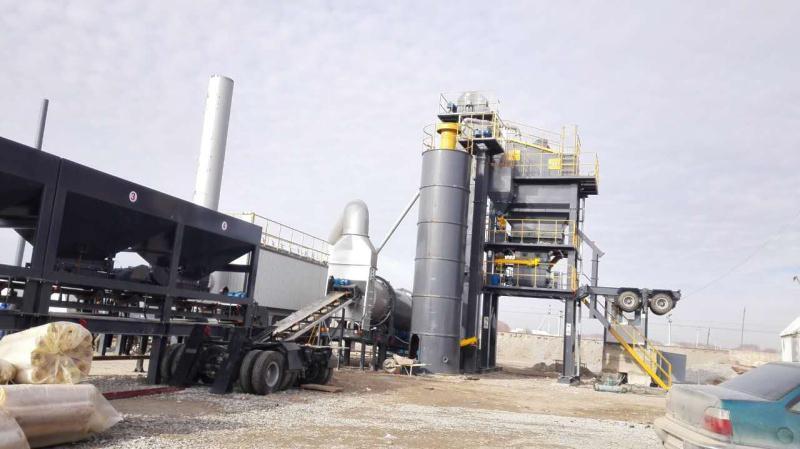
The standardized production and processing of asphalt mixture is a key link to guarantee the core quality of pavement paving, which is divided into two major parts: scientific mix proportion design and standardized mixing construction. In the mix proportion design stage, target mix proportion tests are carried out based on Marshall tests through repeated calculation and debugging to determine the optimal asphalt content of 4.5% to 5.5%, ensuring a scientific and reasonable basic mix proportion of the mixture. After the completion of target mix proportion setting, on-site trial paving verification of production mix proportion is conducted. After trial paving, samples are tested for core indicators including mixture void ratio and stability, with the void ratio stably controlled at 3% to 5% and the Marshall stability no less than 8 kN. Mass production and mixing of the mixture can only be carried out after the trial paving verification is qualified. The whole mixing process strictly controls two core parameters: heating temperature and mixing duration. The heating temperature of various materials is graded and precisely controlled: the aggregate heating temperature is 190 to 220°C, the asphalt heating temperature is 150 to 170°C, and the discharge temperature of the finished mixture is 140 to 165°C, which avoids material aging caused by excessive temperature and uneven mixing caused by low temperature. The mixing sequence follows standardized procedures strictly: dry mixing for 5 to 10 seconds first, followed by wet mixing for 30 to 60 seconds, ensuring uniform mixing of asphalt, aggregates and mineral powder without unqualified mixtures such as speckled and segregated materials, so as to guarantee the comprehensive construction performance of asphalt mixtures from the source.
The on-site paving operation of asphalt pavement requires standardized interlayer treatment and standardized paving management to ensure qualified paving base and continuous, uniform and uninterrupted paving construction. Before formal paving, prime coat and tack coat shall be sprayed in layers. The spraying dosage of prime coat is 0.8 to 1.2 kg per square meter with a penetration depth of no less than 5 mm, realizing effective bonding between the subgrade and asphalt surface course. PC3 modified emulsified asphalt is adopted for the tack coat with a spraying dosage of 0.3 to 0.6 kg per square meter. Formal paving can only be started after all interlayer bonding construction is qualified. The formal paving operation complies with standardized construction requirements strictly, with a scientifically set loose paving coefficient of 105% to 110% to ensure the pavement thickness after initial compaction meets the design standard. The paving speed is stably controlled at 2 to 4 meters per minute with continuous and uniform construction throughout the process. Random suspension, acceleration or deceleration is prohibited to avoid uneven pavement thickness and poor flatness. Temperature control runs through the whole paving process: the arrival temperature of asphalt mixture is not lower than 130°C, and the on-site paving temperature is strictly no lower than 120°C. Thermal insulation measures shall be taken for mixtures in low-temperature environments to prevent poor compaction and bonding quality caused by low-temperature paving.
Special environmental protection and safety protection measures shall be implemented throughout the asphalt pavement construction process to achieve green and safe construction. In terms of dust pollution prevention and control, water sprinklers and fog cannons are equipped for regular dust reduction and full-range dust suppression to reduce construction dust diffusion and pollution. For asphalt fume treatment, wet electrostatic precipitators (WESP) or RTO incineration equipment are installed to effectively treat asphalt fume generated during mixing and construction and reduce exhaust emissions. For high-temperature construction protection, standardized safety warning signs are set up in the operation area, and front-line construction personnel wear professional heat-insulating protective clothing to prevent high-temperature heatstroke and construction safety risks.