


Investing is often associated with growth. Returns, performance, and future potential tend to dominate most discussions. However, before looking at growth, it is equally important to understand stability.
This is where financial ratios become useful.
Among them, the solvency ratio and interest coverage ratio play a critical role. They help you assess whether a company is financially strong enough to sustain its operations over time.
Ignoring these indicators can lead to decisions based only on surface-level performance.
A company may show growth in revenue or profit. But that does not always mean it is financially stable.
Stability comes from the ability to:
This is where ratios like the solvency ratio and interest coverage ratio become relevant. They provide insight into how well a company can handle its financial commitments.
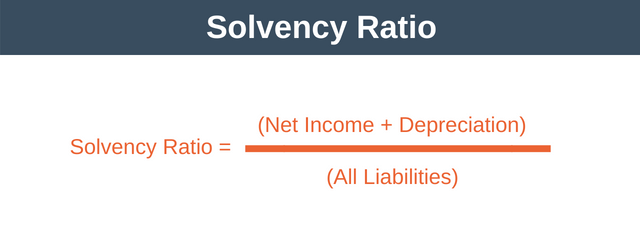
The solvency ratio measures a company’s ability to meet its long-term obligations.
It compares a company’s available resources with its liabilities.
In simple terms:
This ratio focuses on long-term sustainability rather than short-term performance.
Investors often focus on earnings. But earnings alone do not show how a company manages its obligations.
The solvency ratio helps you understand:
A company with weak solvency may struggle during economic downturns.
The interest coverage ratio looks at a company’s ability to pay interest on its debt.
It compares earnings with interest expenses.
In simple terms:
This ratio focuses on ongoing financial obligations.
Debt is a common part of business operations. But the ability to manage that debt is what matters.
The interest coverage ratio helps you assess:
If this ratio is low, even a small drop in earnings can create financial stress.
The solvency ratio and interest coverage ratio look at different aspects of financial health.
Together, they provide a more complete view.
A company may pass one test but fail the other. Looking at both helps avoid incomplete analysis.
These ratios can highlight warning signs that may not be visible through basic financial data.
For example:
These trends help identify risks early.
Ignoring them can lead to exposure to financially weak companies.
High returns often attract attention. But they do not always reflect financial strength.
A company may show strong returns while carrying high debt.
By using the solvency ratio and interest coverage ratio, you can:
This adds depth to your analysis.
Many investors overlook financial ratios because they seem complex.
Instead, they rely on:
This approach can lead to decisions that ignore risk.
Understanding ratios like the solvency ratio and interest coverage ratio helps balance this behaviour.
You do not need to analyse every detail to use these ratios effectively.
A simple approach can be:
This helps you identify whether a company stands out positively or negatively.
Some common errors include:
Using both the solvency ratio and interest coverage ratio together reduces these mistakes.
Consistency is equally important when analyzing these ratios. Rather than reviewing a single year’s performance, investors should examine trends over several years. A company that consistently maintains healthy solvency and interest coverage ratios demonstrates effective financial management and responsible debt handling.
These ratios become more meaningful when observed over time.
Instead of looking at one year:
This shows whether financial strength is improving or declining.
Consistency often matters more than a single strong value.
The interest coverage ratio focuses on a company’s ability to pay interest on its existing loans. It compares a company’s earnings with its interest expenses. If a business earns significantly more than it needs to pay in interest, it is considered financially healthy.
You can think of it this way:
Both are essential for a complete understanding.
The solvency ratio and interest coverage ratio are important tools for evaluating financial stability.
They help you look beyond surface-level performance and understand how a company manages its obligations.
The solvency ratio measures a company’s ability to meet its long-term liabilities using its available cash flow and assets. A higher solvency ratio generally indicates better financial stability. On the other hand, the interest coverage ratio shows how easily a company can pay interest expenses on its outstanding debt using its earnings.
Together, these ratios help investors assess risk, compare companies within the same industry, and make more informed investment decisions that support long-term financial growth.
By using these ratios, you can identify risks early and avoid investments that may appear strong but carry hidden financial pressure.
In the long run, informed decisions are not only about choosing the right opportunities. They are also about avoiding the wrong ones.

© 2025 Crivva - Hosted by Airy Hosting Managed Website Hosting.