

As Malaysia continues to expand its highways, bridges, and urban infrastructure, the demand for high-quality asphalt mix keeps rising. Contractors face increasing pressure to deliver large volumes of asphalt efficiently, without compromising on quality or deadlines. For many, investing in a 120 TPH asphalt plant in Malaysia has become a practical solution to meet these growing demands, reduce dependence on suppliers, and strengthen their competitiveness in the market.
Malaysia’s infrastructure development is booming, driven by projects such as the Pan Borneo Highway, East Coast Rail Link, and numerous urban road upgrades. These projects require continuous and reliable asphalt mix production to ensure smooth and timely construction. Contractors who rely solely on third-party suppliers often face delays, inconsistent mix quality, and fluctuating material prices. These challenges can compromise project timelines and increase overall costs.
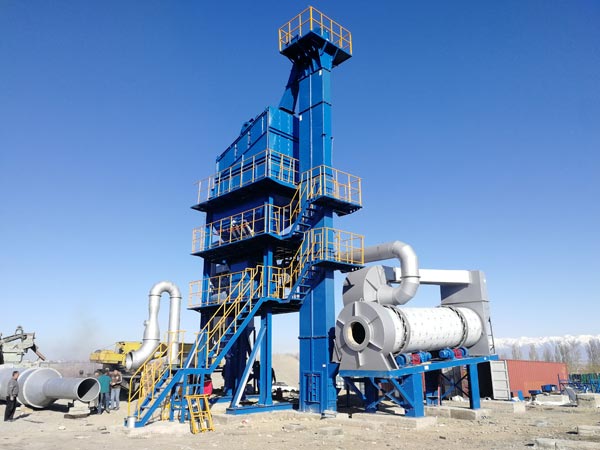
To address these issues, many contractors are turning to their own asphalt production capabilities. A 120 TPH asphalt plant for sale offers the right balance between capacity, flexibility, and operational efficiency. It allows contractors to meet medium- to large-scale project demands while ensuring a consistent, high-quality asphalt mix for every job.
Contractors in Malaysia often manage multiple projects at once, ranging from highways in Sabah to municipal road repairs in Selangor. To meet diverse project requirements, they need a plant that offers both reliable production and flexibility. A 120 TPH asphalt plant can deliver on both counts, providing efficiency, scalability, and consistent quality across different project types.
Producing 120 tons of asphalt per hour allows contractors to generate a daily output of around 1,000–1,500 tons, depending on operational hours. This production level is suitable for most Malaysian infrastructure projects, including highways, bridges, and urban road networks. Contractors no longer need to rely entirely on third-party suppliers, reducing risk of delays and securing project timelines.
Quality consistency is crucial in road construction. Modern 120 TPH asphalt plants come equipped with advanced weighing, drying, and temperature control systems. These technologies ensure every batch meets specifications, resulting in smoother surfaces, better compaction, and longer-lasting roads. Contractors can maintain uniform quality across different project sites, enhancing their reputation and client satisfaction.
Producing asphalt on-site significantly reduces costs associated with transportation, third-party procurement, and storage. In regions where raw materials such as aggregates and bitumen are readily available, contractors can source locally and further cut expenses. Over time, these savings can offset the initial investment in the plant and contribute to higher profitability for ongoing projects.
Different projects require different asphalt grades — from dense-graded mixes for highways to stone mastic asphalt for urban roads. A 120 TPH asphalt plant allows contractors to switch between mix formulas quickly and efficiently. This adaptability ensures contractors can meet diverse client needs and handle multiple projects without downtime or costly adjustments.
Operating a dedicated asphalt plant gives contractors full control over production scheduling, quality assurance, and supply chain logistics. This control reduces risks from external delays and ensures steady project progress, even during peak construction seasons. With in-house production, contractors can prioritize urgent orders, respond quickly to project changes, and maintain a competitive edge in the market.
Additionally, many modern asphalt plants feature mobile or modular configurations. These designs allow contractors to relocate the plant between job sites, reducing the need to transport hot mix over long distances. For projects spread across Malaysia’s islands and rural regions, this flexibility enhances efficiency and reduces operational costs.
Malaysian contractors are increasingly aware of environmental regulations and sustainability goals. New-generation 120 TPH asphalt plants come equipped with dust collection systems, energy-efficient burners, and recycled asphalt capabilities. These features help contractors comply with Department of Environment (DOE) standards while reducing emissions and energy consumption. Sustainable operations not only protect the environment but also enhance the contractor’s reputation and eligibility for government contracts.
Contractors using modern asphalt plants can showcase their commitment to sustainable construction. By utilizing recycled asphalt and reducing carbon emissions from transport, companies improve their social responsibility profile. This green image can be a key differentiator in competitive bidding processes, giving contractors an edge in securing new projects.
Investing in a 120 TPH asphalt plant can deliver substantial financial benefits. Contractors save on transportation and supplier costs, reduce downtime, and gain greater control over pricing. For companies with a steady pipeline of projects, the return on investment can be realized within two to three years. Beyond cost savings, the plant opens opportunities to produce and sell asphalt mix to other local projects, creating an additional revenue stream.
Furthermore, owning an asphalt plant allows contractors to plan production based on market demand. This proactive approach minimizes inventory shortages and ensures that high-demand projects receive priority, maintaining customer satisfaction and timely project completion.
Selecting the right asphalt plant is crucial for maximizing performance and long-term value. Contractors should work with a reliable supplier who understands local conditions, raw material availability, and regulatory requirements. I provide customized 120 TPH asphalt plant solutions designed for Malaysian contractors. Whether you need a stationary or mobile plant, drum or batch type, I help you select the optimal configuration based on production targets, project scale, and budget.
Malaysia’s road and infrastructure development will continue to grow rapidly in the coming years. Contractors who invest in their own 120 TPH asphalt plant gain independence, flexibility, and a competitive edge. In-house production ensures consistent quality, reduces costs, and improves project control, allowing contractors to deliver superior results for clients while maximizing profitability.
If you want to meet Malaysia’s growing asphalt demand and secure your projects’ success, contact me today. I can help you evaluate your needs, recommend the right asphalt plant, and provide support to optimize your production and efficiency. Investing in the right plant is more than just equipment — it’s a strategic step towards sustainable growth and long-term project success.

© 2025 Crivva - Hosted by Airy Hosting Managed Website Hosting.