

Cloud technology is changing how industries manage data, improve operations, and make decisions. One sector that is gaining strong advantages from this shift is renewable energy. By moving systems and processes to the cloud, companies can monitor performance in real time, reduce costs, and improve efficiency. As renewable energy projects continue to expand globally, the need for smarter and more flexible digital solutions is becoming increasingly important. This article explains how cloud-based platforms are transforming operations, the key benefits they offer, the challenges involved, and what the future looks like.
Cloud-based platforms are online systems where data is stored, processed, and accessed over the internet instead of local computers or servers. These platforms allow companies to collect information from turbines, sensors, and weather systems, and then analyze it in one centralized location. In simple terms, instead of managing everything manually or on-site, organizations can control operations from anywhere using cloud software.
In renewable energy, especially wind and solar sectors, large amounts of data are generated every second. Cloud platforms make it easier to handle this data efficiently, ensuring that operators can quickly understand system performance and take necessary actions. This digital transformation helps companies move from reactive operations to more proactive and intelligent management.
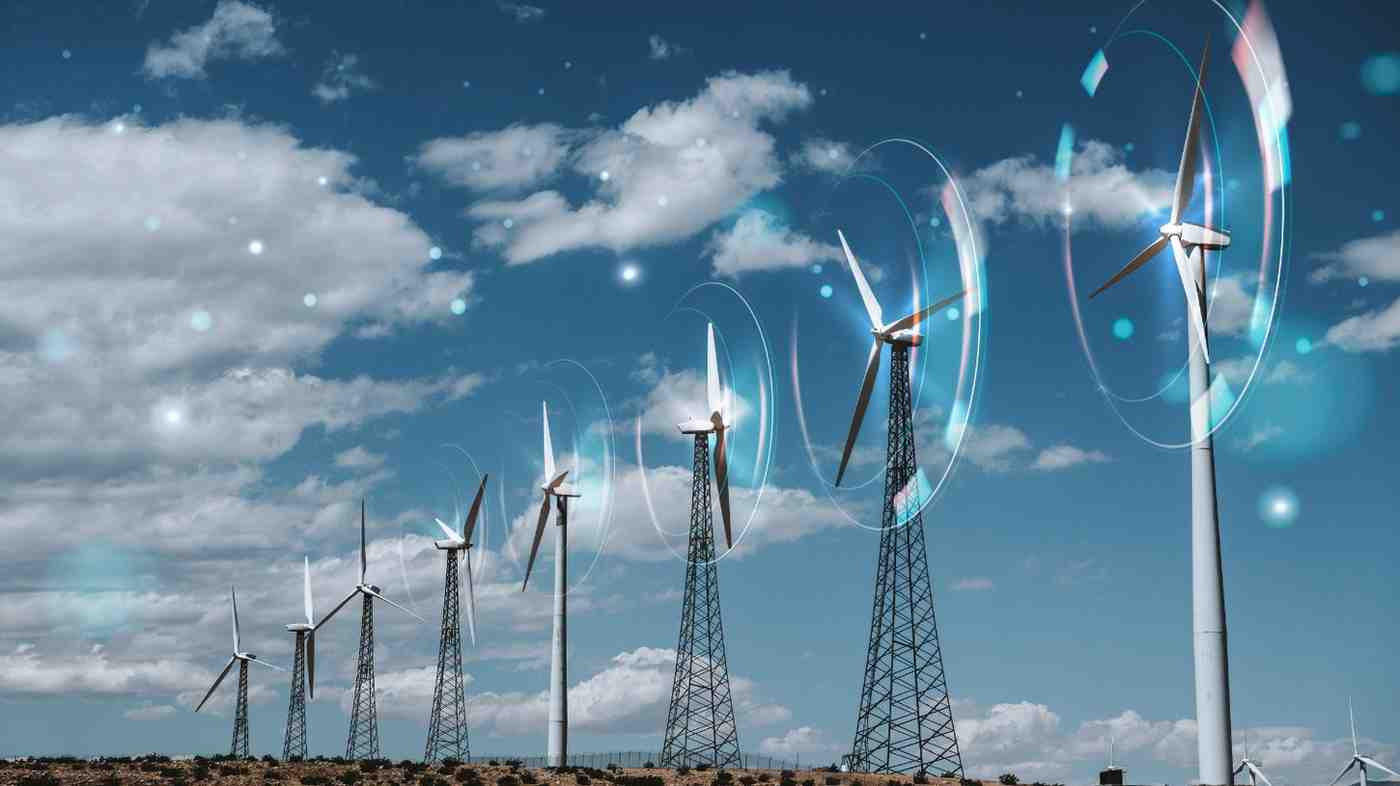
A major benefit is the ability to monitor systems in real time. Operators can track turbine performance, weather conditions, and system health instantly. This helps in making quick decisions and avoiding downtime. Cloud platforms also make it easier to manage wind power data, ensuring that information is always updated and accessible.
Additionally, real-time dashboards and alerts allow operators to respond immediately to any irregularities, improving overall system reliability and reducing risks.
Traditional systems require expensive hardware, maintenance, and IT support. Cloud solutions reduce these costs by offering scalable services. Companies only pay for what they use, making it a more affordable option.
Moreover, cloud providers handle software updates and infrastructure management, which further reduces operational burden and long-term expenses.
Teams across different locations can access the same data at the same time. Engineers, analysts, and managers can work together without being physically present at the site. This is especially useful in large-scale wind energy projects that operate across multiple regions.
This level of collaboration also improves decision-making, as all stakeholders have access to consistent and accurate data.
Cloud platforms use advanced analytics and machine learning to predict equipment failures before they happen. This helps prevent sudden equipment failures and reduces overall maintenance expenses.
By analyzing historical and real-time data, systems can identify patterns and warn operators about potential issues, allowing for timely maintenance planning.
Most cloud providers offer strong security features such as encryption and automatic backups. This ensures that important operational data is protected and not lost.
In addition, cloud systems often include disaster recovery options, allowing companies to restore data quickly in case of unexpected failures.
Storing sensitive operational data online can raise concerns about security. Companies must ensure they choose trusted providers and follow proper safety practices.
Implementing strict access controls and regular security audits can help reduce these risks.
Cloud systems require a stable internet connection. In remote areas where wind farms are often located, connectivity can sometimes be a challenge.
To overcome this, companies are increasingly using hybrid solutions that combine cloud and local systems.
Although cloud systems save money in the long run, the initial setup and migration process can require investment and time.
Organizations also need to carefully plan the transition to avoid disruptions in ongoing operations.
Employees may need training to use new cloud technologies effectively. Without proper knowledge, companies may not fully benefit from these platforms.
Providing regular training programs and upskilling opportunities can help bridge this gap.
GE Renewable Energy has successfully used cloud-based platforms to improve turbine performance. By using its Predix platform, the company collects and analyzes large volumes of operational data from wind farms. This approach has helped operators improve efficiency, reduce maintenance costs, and increase energy output. It is a strong example of how cloud systems can enhance the performance of wind power operations.
Furthermore, the use of data-driven insights has enabled better forecasting and planning, helping operators optimize energy production based on demand patterns.
Siemens Gamesa uses cloud-based analytics to monitor turbines across the globe. Their system gathers data from sensors and applies advanced algorithms to detect issues early. As a result, the company has improved reliability and reduced downtime significantly. By using cloud solutions, they are able to plan more efficiently and manage their assets over a longer period.
This approach also supports sustainability goals by ensuring that turbines operate at maximum efficiency with minimal resource waste.
AI will play a bigger role in analyzing data and improving decision-making. Cloud platforms will become smarter, helping operators predict performance and optimize output.
AI-driven insights will also enable automated recommendations, making operations more efficient.
Edge computing allows data to be processed closer to the source, such as at the turbine itself. When combined with cloud systems, it can reduce delays and improve efficiency.
This is particularly useful in remote locations where fast decision-making is critical.
Digital twins are software-based models that replicate physical systems in a virtual environment. Cloud platforms will use these models to simulate turbine behavior and test different scenarios without affecting real operations.
This helps in improving design, testing new strategies, and reducing operational risks.
Automation will significantly lower the need for continuous human monitoring. Systems will automatically adjust operations based on real-time data.
This not only improves efficiency but also reduces human error.
As renewable projects grow, cloud platforms will allow companies to easily scale operations without major infrastructure changes.
This flexibility is essential for companies planning long-term expansion in renewable energy.
Cloud-based platforms also contribute directly to environmental sustainability. By improving efficiency and reducing energy waste, these systems help lower the overall carbon footprint of renewable energy operations. Better data management ensures that energy production is optimized, reducing unnecessary losses.
Moreover, cloud solutions support smarter grid integration, allowing renewable energy to be distributed more effectively. This plays a key role in building a cleaner and more reliable energy system for the future.
Cloud-based platforms are transforming how renewable energy systems operate. They offer real-time insights, cost savings, and better efficiency while supporting collaboration and innovation. Although there are challenges such as data security and connectivity, the benefits clearly outweigh the risks. With continuous advancements in technology, cloud solutions will play a key role in shaping the future of sustainable energy systems. Companies that adopt these platforms early will have a strong advantage in improving performance and staying competitive.
5. What is the future of cloud technology in renewable energy?
The future includes AI integration, digital twins, edge computing, and increased automation, all of which will improve performance and reliability.

© 2025 Crivva - Hosted by Airy Hosting Managed Website Hosting.