

Blue city jodhpur is one of those travel experiences that sounds extraordinary when you read about it and then turns out to be even more extraordinary when you actually arrive. The combination of a massive ancient fort rising above a dense neighborhood of vividly blue-painted houses, all sitting at the edge of the Thar Desert in western Rajasthan, creates a visual experience that is genuinely unlike anything else on earth. This guide covers everything you need to know about exploring blue city jodhpur effectively, from the history of the blue paint to the best neighborhoods to walk through, the most compelling food to eat, and the most practical ways to get around.
Blue city jodhpur stands apart from every other travel destination because the combination of qualities it offers is simply not replicated anywhere else. The fort rising four hundred feet above the city on a sheer rocky outcrop would be extraordinary on its own. The blue-painted old city neighborhoods spread below it would be extraordinary on their own. Together, they create a visual experience that has captivated travelers, photographers, and film productions for decades. The reasons behind the blue paint add cultural depth to the visual impact. The most widely accepted explanation is that the practice began with Brahmin households distinguishing their homes and gradually spread throughout the community. There is also a practical theory that the copper sulfate in the paint helps repel insects and keeps interiors cooler in the desert heat. Both explanations are likely contributing factors to a tradition that has become the defining characteristic of a city.
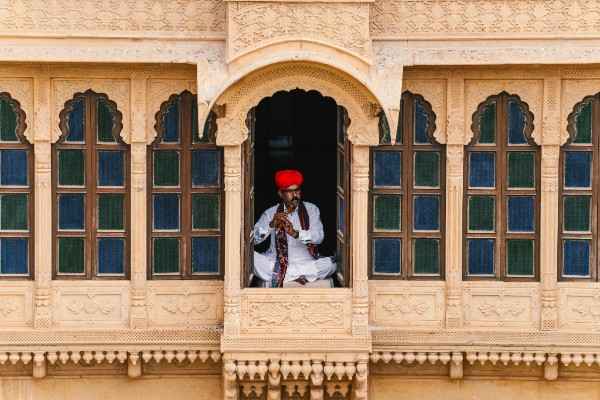
The old town of blue city jodhpur is where the city’s character is most concentrated and most alive. Mehrangarh Fort dominating the skyline from its rocky hill is the visual anchor of everything you see in the old town. The Sardar Market around Ghanta Ghar clock tower is the commercial heart, a dense and colorful working market that serves the local population with spices, textiles, leather goods, and everyday items. Toorji Ka Jhalra, the recently restored eighteenth-century stepwell, is one of the most architecturally beautiful places in the entire city. The havelis scattered throughout the old town lanes, some restored and occupied, others gradually fading, give you a sense of how wealthy merchants lived in earlier centuries. Walking the lane from the market toward Jaswant Thada, pausing to look back at the fort framed by blue rooftops at every turn, is the quintessential blue city jodhpur experience.
The best photography of blue city jodhpur requires thought about timing and positioning more than expensive equipment. The hour after sunrise is consistently the best time to photograph because the light is warm, soft, and directional without casting the harsh shadows that midday sun creates. The old city lanes at this hour are also much quieter, giving you cleaner compositions without the crowd activity of peak visiting hours. The most iconic blue city jodhpur compositions are typically shot from positions that place Mehrangarh Fort behind and above a dense cluster of blue rooftops. Any rooftop in the old city gives you this perspective in varying degrees of completeness. For street-level photography, the lanes of Brahmpuri neighborhood provide intimate compositions with carved doorways, blue walls, and incidental details of daily life. Always ask permission before photographing individuals, which leads to better interactions and better photographs than simply pointing a camera at people.
Blue city jodhpur rewards slow, exploratory walking more than almost any other urban destination. The Brahmpuri and Navchokiya neighborhoods directly below Mehrangarh Fort have the highest concentration of blue-painted houses and are the most visually striking areas. The lanes in these neighborhoods are narrow, occasionally confusing, and consistently interesting with carved wooden windows, neighborhood temples, small workshops, and residents going about their daily routines. Moving slightly toward the market area, the Ghanta Ghar clock tower neighborhood brings you into the commercial energy of the old city while maintaining the blue-painted character of the surrounding buildings. Getting genuinely lost in blue city jodhpur old town is part of the experience. The area is compact enough that you will not go far wrong, and most lanes eventually lead you back to a recognizable landmark.
The street food culture of blue city jodhpur is one of the most distinctive and delicious in all of Rajasthan, and missing it would be a genuinely significant oversight. Mirchi vada is the essential first experience, a large green chili stuffed with spiced potato and deep-fried in chickpea batter that is available from vendors around the clock tower and is the defining street snack of the city. Mawa kachori, a sweet fried pastry filled with reduced milk and sugar, is unique to Jodhpur and unlike anything else in Indian street food in its combination of flavors and textures. Pyaaz kachori is the savory alternative, stuffed with spiced onion filling. Makhaniya lassi, the thick saffron-tinged yogurt drink, is the classic blue city jodhpur refreshment and a genuinely special version of a drink you can find across India. The Ghanta Ghar clock tower area has the highest concentration of the best vendors and is the best place to start your street food exploration.Things to Do in Jodhpur
The best time of year to visit blue city jodhpur india is between October and March when the weather is genuinely comfortable for the extensive walking that a good old city exploration involves. The light in winter is particularly good for photography because clear skies and warm low-angle light suit the blue and ochre color palette of the city beautifully. October and November are perhaps the ideal months, with warm days, mild evenings, and the beginning of the festival season including the Rajasthan International Folk Festival at Mehrangarh Fort. December and January are cooler and require a layer for evenings but are excellent for sightseeing. The monsoon in July and August brings lower temperatures and a green landscape that looks beautiful against the blue city buildings, but the humidity can be significant. The intense summer heat from May through June makes extensive outdoor exploration genuinely uncomfortable.
Navigating blue city jodhpur is straightforward once you understand the basic geography. The old city is compact and most of the main attractions within the historic area are walkable from each other if you are comfortable with the distances and the heat. Auto-rickshaws are the primary mode of transport for getting between the old city and more distant attractions like Umaid Bhawan Palace or Kaylana Lake. Always agree on a fare before getting in and keep small denomination rupee notes handy for these transactions. Ola and Uber operate in Jodhpur and provide metered alternatives to negotiated auto-rickshaw fares. For day trips outside blue city jodhpur, hiring a private car and driver for the day is the most practical and reasonably priced option. Many guesthouses in the old city provide simple maps and can help you orient yourself before setting out on foot for the first time.
https://www.travelosei.com/india/cultural/north/jodhpur
FAQs
Why is blue city jodhpur painted blue? The most accepted explanation is that the practice began with Brahmin households to identify their homes and spread throughout the community over time. The blue paint made from copper sulfate also has practical benefits including insect repellent properties and interior cooling effect in the desert climate.
What are the best neighborhoods for experiencing blue city jodhpur? The Brahmpuri and Navchokiya neighborhoods directly below Mehrangarh Fort have the highest concentration of blue-painted houses and are the most visually striking areas for the classic blue city experience.
Is blue city jodhpur worth visiting for more than two days? Yes. While two days covers the main highlights, spending three days allows for slower exploration of the neighborhoods, visits at different times of day for different light, and time for the food and cultural experiences that a two-day rushed itinerary does not fully accommodate.
Can I photograph people in blue city jodhpur? Always ask permission before photographing individuals. Most people in the old city are accustomed to tourists but asking first and showing genuine interest leads to much better interactions and far better photographs than simply pointing a camera at people without acknowledgment.
What is the most famous food from blue city jodhpur? Mirchi vada is the most distinctively Jodhpuri street food. Mawa kachori and makhaniya lassi are the other two foods most closely associated specifically with blue city jodhpur and are not found in quite the same form anywhere else in India.

© 2025 Crivva - Hosted by Airy Hosting Managed Website Hosting.