

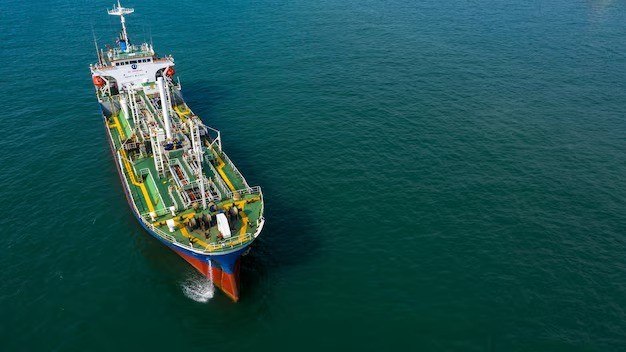
The shipping industry moves about 90% of global trade, but it also burns millions of tons of heavy fuel oil every year, making it one of the largest sources of carbon emissions on the planet. For decades, finding a cleaner and affordable alternative felt almost impossible. Today, that picture is changing fast. Biofuels are stepping in as a practical, ready-now solution that shipping companies are beginning to adopt at scale. And the results are already reshaping how the industry thinks about fuel costs, compliance, and long-term planning.
Shipping has always been driven by cost. Every dollar saved per ton of fuel goes directly to the bottom line. For years, that pressure kept companies locked into fossil fuels. But new environmental regulations, particularly the International Maritime Organization’s target to cut shipping emissions by at least 70% by 2040, have forced the industry to move.
Ports in Rotterdam, Singapore, and Los Angeles are now handling regular deliveries of biofuel blends. Shipping giants like Maersk, CMA CGM, and NYK Line have all completed biofuel-powered voyages and signed long-term supply agreements. This is no longer a pilot project phase. It is becoming a real commercial practice.
A few years ago, biofuels for shipping faced two big problems: they were expensive and they were not available in large enough quantities. Both of those walls are coming down.
Producers have found ways to make marine biofuels from waste cooking oil, agricultural residue, and even municipal waste. These feedstocks do not compete with food production, which was a major criticism of first-generation biofuels. Processing costs have dropped as refining technology has improved, and supply chains are becoming more organized.
One of the more exciting developments is the rise of E-fuel, which is produced by combining captured carbon dioxide with green hydrogen. While still more costly than traditional biofuels, E-fuel represents a major step toward fully carbon-neutral shipping and is already being tested on select cargo routes in Europe and Japan.
Drop-in compatibility is another key factor. Most biofuel blends can be used in existing ship engines without any major modifications. This removes one of the biggest barriers for shipping companies who cannot afford to retrofit entire fleets overnight.
Maersk and the Biofuel Test Voyage (2023) In 2023, A.P. Moller-Maersk operated one of its large container vessels on a blend of second-generation biofuel made from methanol derived from agricultural waste. The voyage covered a major Asia-Europe route. The company reported that the fuel performed reliably and that emissions on that voyage dropped by over 80% compared to conventional fuel. Maersk has since committed to deploying multiple methanol-powered vessels as part of its decarbonization roadmap.
CMA CGM and Bio-LNG Partnership French shipping company CMA CGM partnered with TotalEnergies to power some of its vessels using bio-LNG, a liquefied natural gas made from organic waste sources. The arrangement covered multiple vessels across Atlantic routes. CMA CGM reported significant reductions in sulfur oxide and particulate emissions, while keeping operational costs competitive. The partnership has since expanded, with both companies agreeing to scale bio-LNG supply across additional port locations.
Here is the part that surprises many people. Biofuels for shipping are still more expensive than conventional fuel, but the gap is narrowing. When you factor in carbon pricing, regulatory fines for non-compliance, and the growing customer pressure from major brands wanting greener supply chains, the total cost calculation starts to shift.
The European Union’s Emissions Trading System, which now includes shipping, means that companies burning dirty fuel face additional financial penalties. Biofuels reduce that exposure. Many large shippers are also finding that clients in sectors like retail and electronics are willing to pay a small premium to ship their goods on lower-emission vessels. This adds a revenue dimension to what was previously just seen as a cost problem.
The industry is not there yet. Supply of certified sustainable marine biofuels remains limited relative to total shipping demand. Standardization of fuel quality across different producers and ports is still a work in progress. Smaller shipping operators, who lack the purchasing power of the major lines, are finding it harder to access affordable biofuel supply contracts.
There are also questions about long-term feedstock availability. As demand grows, ensuring that biofuels are produced from genuinely sustainable sources without driving deforestation or land-use conflicts will require careful oversight.
The transformation underway in commercial shipping is real, though it is still in its early stages. Biofuels have moved from being a fringe idea to a working commercial tool that is actively reducing emissions and reshaping fuel economics across the industry. Bodies like the sustainable fuels forum play a growing role in setting standards, aligning stakeholders, and ensuring that the fuels being adopted actually deliver the environmental benefits they promise. The ships sailing on cleaner fuel today are proof that the industry can change. The challenge now is doing it faster and at greater scale.
Q 1. Are biofuels safe to use in existing ship engines?
Yes, most marine biofuel blends, particularly those mixed with conventional fuel at ratios like B20 or B30, are compatible with current ship engines without requiring major modifications. Engine manufacturers including MAN Energy Solutions and Wartsila have confirmed compatibility for a range of blend levels.
Q 2. How much can biofuels reduce emissions from a cargo ship?
It depends on the type of biofuel and the blend ratio, but second-generation biofuels made from waste feedstocks can reduce lifecycle carbon emissions by 60% to 90% compared to conventional heavy fuel oil when used at higher blend concentrations.
Q 3. Why are biofuels more expensive than regular ship fuel?
The production process, feedstock sourcing, and certification requirements all add cost. However, prices are falling as production scales up, and when carbon taxes and regulatory compliance costs are included, the economic gap between biofuels and fossil fuels is shrinking steadily.
Q 4. What feedstocks are used to make marine biofuels?
Common feedstocks include used cooking oil, animal fats, agricultural waste such as crop residues, and municipal solid waste. Producers increasingly avoid food-based feedstocks like palm oil or corn to prevent competition with food supply chains.
Q 5. Will biofuels be enough to fully decarbonize the shipping industry?
Most experts consider biofuels a critical bridging solution rather than the final answer. Long-term full decarbonization will likely require a combination of biofuels, green ammonia, green hydrogen, and advanced E-fuel technologies, supported by major investment in port infrastructure and onboard energy systems.

© 2025 Crivva - Hosted by Airy Hosting Managed Website Hosting.