

Purchasing property is a significant milestone for any individual or family. Whether it’s your first home, a dream office space, or a commercial venture, it represents both a financial commitment and a goal achievement. However, one critical aspect that buyers often overlook in the process is securing a Completion Certificate before formally taking possession of the property. This essential document confirms the legality and safety of the property and ensures a hassle-free ownership experience. In this article, we will delve into the importance of obtaining a Completion Certificate, the risks of skipping this vital step, and its implications for homeowners and investors.
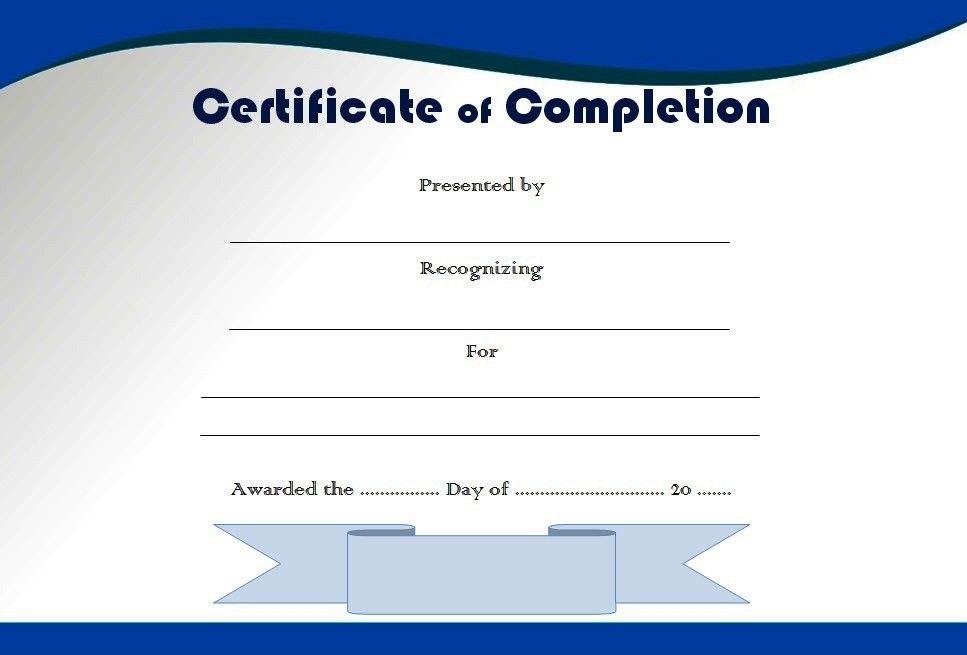
A Completion Certificate is an official document issued by the relevant local authorities after they inspect a property and deem it completed according to approved building plans and regulations. Essentially, it certifies that the construction project adheres to municipal by-laws, zoning codes, safety standards, and environmental guidelines.
In the case of residential properties, commercial spaces, or independent houses, the Completion Certificate serves as proof that the construction meets the legal specifications laid out at the time of approval. Without this document, property buyers may encounter challenges related to ownership rights, safety standards, and resale or transfer of the property in the future.
While the Completion Certificate is specific to the individual property, some buyers and investors may also encounter a broader Project Completion Certificate. This document applies to real estate developments such as apartment complexes, gated communities, or commercial projects involving multiple units.
The Project Completion Certificate certifies that the builder or developer has adhered to all government-mandated rules for the entire project. It includes infrastructure development, proper planning, common area construction, and compliance with environmental norms. For buyers investing in such projects, this certificate assures that the larger development has been legally constructed, making their individual unit more credible and legally valid.
One of the core benefits of obtaining a Completion Certificate is ensuring rightful and legal ownership of the property. Without this document, buyers may face challenges when establishing property ownership in government records, which can delay or complicate processes like registration, tax payments, or resale. The Completion Certificate acts as proof that the property has been constructed and handed over following all relevant laws.
Compliance with safety standards is a crucial aspect of property ownership. Buildings must meet strict safety guidelines, including fire safety measures, sewage systems, water connections, and structural integrity. Local authorities issue a Completion Certificate only after verifying these points. Therefore, securing this certificate assures homeowners that the property is safe to live in and has been inspected thoroughly.
Without a Completion Certificate, the buyer may face legal hurdles that can result in financial losses. For instance, government entities may classify the property as “unauthorized,” making it difficult to resell, lease, or mortgage. This can directly impact the investment value of the property. Hence, obtaining the certificate safeguards your financial interests.
Every property must be constructed according to pre-approved planning and design by local authorities. Any deviation in construction can lead to fines, demolition orders, or cancellation of utility connections. The Completion Certificate serves as proof that the property adheres to the original plan and guidelines, preventing unnecessary disputes with the authorities.
Properties granted a Completion Certificate are more likely to have amenities functioning efficiently. From drainage systems to water supply connections and electricity installation, the certificate ensures that all facilities have been provided according to specifications and local authorities have inspected their functioning.
When developers or builders provide the Completion Certificate, it demonstrates transparency in their operations. Buyers can feel confident knowing they are dealing with a credible developer and can avoid fraudulent or illegal transactions.
Taking possession of a property without a Completion Certificate can lead to numerous legal complications. For instance, if a property becomes classified as “illegal construction,” homeowners may face eviction notices, litigations, or penalties enforced by local authorities. Securing the certificate beforehand ensures peace of mind, preventing future conflicts or disputes.
Investors or buyers who take possession of a property without obtaining the Completion Certificate stand at serious risk of legal and financial complications:
Properties without a Completion Certificate experience challenges during resale or ownership transfer. Buyers may hesitate to purchase such properties, lowering their market value while complicating legal formalities needed to finalize transactions.
Municipal authorities often deny basic utilities like electricity, water connections, and sewage systems to properties that lack a Completion Certificate. As a result, homeowners may encounter severe inconvenience and out-of-pocket expenses while trying to set up these essentials.
If authorities find that the property lacks mandatory safety and construction compliance, property owners could face heavy fines or penalties. This financial burden may be compounded further by court litigations or demolition orders if the property is deemed unauthorized.
Banks and financial institutions typically require a Completion Certificate before sanctioning loans, especially for property construction or expansion purposes. Owners without this document may lose access to critical financing options.
Properties without Completion Certificates may lack proper infrastructure and safety measures. This not only compromises the comfort of residents but could pose significant health and safety risks.
The process of obtaining a Completion Certificate involves several essential steps:
Builders or developers must apply for the Completion Certificate with the local municipal authority or town planning department. They should submit the building plans, approvals, and other required documentation.
The government authorities will visit the construction site and inspect the property thoroughly to ensure compliance with building regulations and approved designs.
The property is evaluated for adherence to fire safety protocols, environmental policies, drainage systems, and sanitation guidelines.
Once the property passes the inspection and meets all necessary adherence criteria, the municipal authority will issue the Completion Certificate.
Securing a Completion Certificate before property possession is not just a matter of legality but a step toward ensuring peace of mind and financial protection. Recognizing the value of this essential document can shield property buyers from unnecessary legal disputes, safety hazards, and financial losses.
Whether you’re considering a large-scale development with a Project Completion Certificate or a personal purchase of an individual unit, prioritizing the procurement of this certificate is a non-negotiable requirement for a smooth ownership experience. Ultimately, it solidifies your investment and secures your rights as a property owner. Don’t let this crucial step fall by the wayside—choose safety, compliance, and peace of mind when taking possession of your dream property.

© 2025 Crivva - Hosted by Airy Hosting Managed Website Hosting.