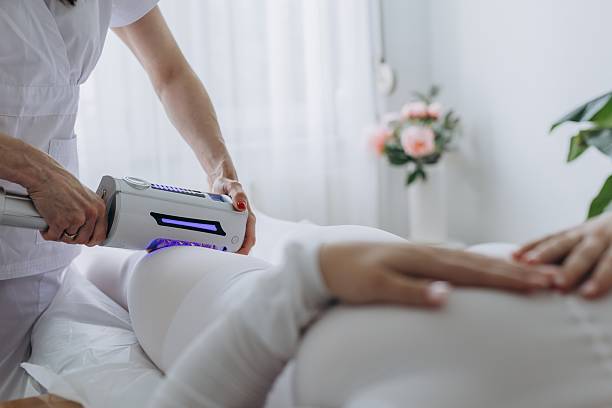
The global body contouring market is undergoing a steady transformation, driven by evolving consumer attitudes toward aesthetics, advancements in medical technology, and increasing awareness of non-invasive treatment options. Once limited to surgical procedures performed in specialized clinical settings, body contouring has now expanded into a broader spectrum of solutions that cater to diverse needs and preferences. According to a study published by MarkNtel Advisors, the market is projected to witness notable growth during the forecast period, reflecting sustained interest in body shaping and aesthetic enhancement procedures.
Changing Perception of Aesthetic Procedures
A significant factor contributing to the growth of the body contouring market is the shift in how aesthetic procedures are perceived. Historically, such treatments were often associated with luxury or corrective surgery. However, the current landscape reflects a transition toward normalization, where body contouring is increasingly viewed as part of routine self-care and personal grooming.
Consumers are now more open to exploring aesthetic procedures that align with their desired body image. This shift is particularly evident among urban populations, where lifestyle changes, increased exposure to global trends, and a greater focus on appearance have influenced decision-making. As a result, body contouring is no longer confined to a niche audience but is becoming more mainstream.
Rising Demand for Non-Invasive and Minimally Invasive Treatments
One of the most prominent trends shaping the market is the growing demand for non-invasive and minimally invasive procedures. These treatments offer the advantage of reduced downtime, lower risk, and greater convenience compared to traditional surgical methods. Technologies such as cryolipolysis, laser lipolysis, and radiofrequency-based skin tightening have gained traction among consumers seeking effective yet less intrusive options.
The appeal of these procedures lies in their ability to deliver gradual and natural-looking results. Individuals who may have been hesitant to undergo surgery are now more willing to consider non-invasive alternatives. This shift has expanded the overall customer base and contributed to the market’s growth trajectory.
Technological Advancements and Innovation
Innovation continues to play a central role in the development of the body contouring market. Continuous advancements in medical devices and treatment techniques have improved the precision, safety, and effectiveness of procedures. Modern technologies allow practitioners to target specific areas of the body with greater accuracy, enhancing overall outcomes.
In addition to improving results, technological advancements are also reducing treatment time and discomfort. This has made body contouring procedures more appealing to individuals with busy schedules who prefer quick and efficient solutions. Furthermore, the integration of digital tools and data-driven approaches is enabling more personalized treatment planning, which enhances patient satisfaction.
Influence of Social Media and Digital Awareness
The rise of digital platforms has significantly influenced consumer awareness and behavior in the body contouring market. Social media, in particular, has played a crucial role in disseminating information about aesthetic treatments. Before-and-after images, educational content, and expert insights have made it easier for individuals to understand the possibilities and limitations of body contouring procedures.
This increased transparency has helped reduce the stigma associated with cosmetic treatments. Consumers are now more informed and confident in their decisions, which has contributed to higher adoption rates. At the same time, digital platforms have also created a space for discussions around realistic expectations and outcomes, encouraging a more balanced perspective.
Expanding Consumer Base and Demographics
The demographic profile of body contouring consumers is evolving. While earlier demand was primarily driven by middle-aged individuals, there is now a noticeable increase in interest among younger populations. Preventive aesthetics, where individuals seek treatments to maintain their appearance rather than address existing concerns, is gaining traction.
Additionally, the market is witnessing growing participation from male consumers. Changing attitudes toward grooming and self-care have led to increased acceptance of aesthetic procedures among men. This diversification of the consumer base is contributing to the overall expansion of the market.
Integration with Wellness and Lifestyle Trends
Body contouring is increasingly being integrated into broader wellness and lifestyle frameworks. Rather than focusing solely on physical appearance, consumers are adopting a more holistic approach to health and well-being. As a result, body contouring treatments are often combined with fitness programs, nutritional guidance, and lifestyle modifications.
This integrated approach reflects a shift in consumer priorities, where aesthetic enhancement is seen as part of a comprehensive self-improvement journey. Service providers are responding to this trend by offering bundled solutions that address both aesthetic and wellness goals, further driving market growth.
Regional Market Dynamics
The growth of the body contouring market varies across regions, influenced by economic conditions, cultural factors, and healthcare infrastructure. Developed regions typically lead in terms of adoption, supported by higher awareness levels, advanced technologies, and well-established healthcare systems.
In contrast, emerging markets are witnessing gradual growth due to rising disposable incomes and increasing urbanization. As more individuals gain access to aesthetic services and information, these regions are expected to contribute significantly to the global market. The expansion of private healthcare facilities and aesthetic clinics is also playing a key role in improving accessibility.
Regulatory Landscape and Safety Considerations
As the body contouring market expands, regulatory frameworks and safety standards are becoming increasingly important. Ensuring the safety and effectiveness of procedures is essential for maintaining consumer trust. Regulatory bodies in different regions have established guidelines for the approval and use of medical devices and treatments.
There is also a growing emphasis on transparency and informed decision-making. Consumers are seeking clear information about potential risks, benefits, and expected outcomes. This has encouraged service providers to adopt more responsible communication practices and prioritize patient education.
Challenges and Market Constraints
Despite its growth potential, the body contouring market faces several challenges. High treatment costs remain a barrier for many individuals, particularly in price-sensitive markets. While non-invasive procedures are generally more affordable than surgical options, they can still represent a significant financial commitment.
Another challenge is the variability in service quality. The presence of unregulated or inexperienced providers can impact patient outcomes and overall market credibility. Maintaining consistent standards across the industry is essential for long-term growth.
Additionally, managing consumer expectations is critical. While advancements in technology have improved results, outcomes can vary based on individual factors such as body type and lifestyle. Clear communication between practitioners and patients is necessary to ensure realistic expectations.
Future Outlook of the Body Contouring Market
The future of the body contouring market is likely to be shaped by continued innovation, increasing consumer awareness, and the integration of advanced technologies. As demand for personalized and non-invasive solutions grows, companies are expected to invest in research and development to enhance treatment capabilities.
According to insights from MarkNtel Advisors, the market is poised for steady expansion as it adapts to changing consumer preferences and technological advancements. The focus on safety, efficiency, and customization is expected to drive the next phase of growth.
Furthermore, the convergence of aesthetics and wellness is likely to redefine the industry landscape. Body contouring procedures will continue to evolve as part of a broader approach to health and self-care, ensuring sustained relevance in the years to come.
Conclusion
The body contouring market is gaining momentum due to a combination of technological progress, shifting consumer perceptions, and expanding accessibility. From non-invasive treatments to personalized solutions, the industry is evolving to meet the diverse needs of modern consumers. As highlighted by MarkNtel Advisors, the market’s growth reflects a broader transformation in how individuals approach aesthetics and well-being.
With ongoing innovation and a focus on responsible practices, the body contouring market is expected to remain a dynamic and evolving segment within the global healthcare and wellness industry.