


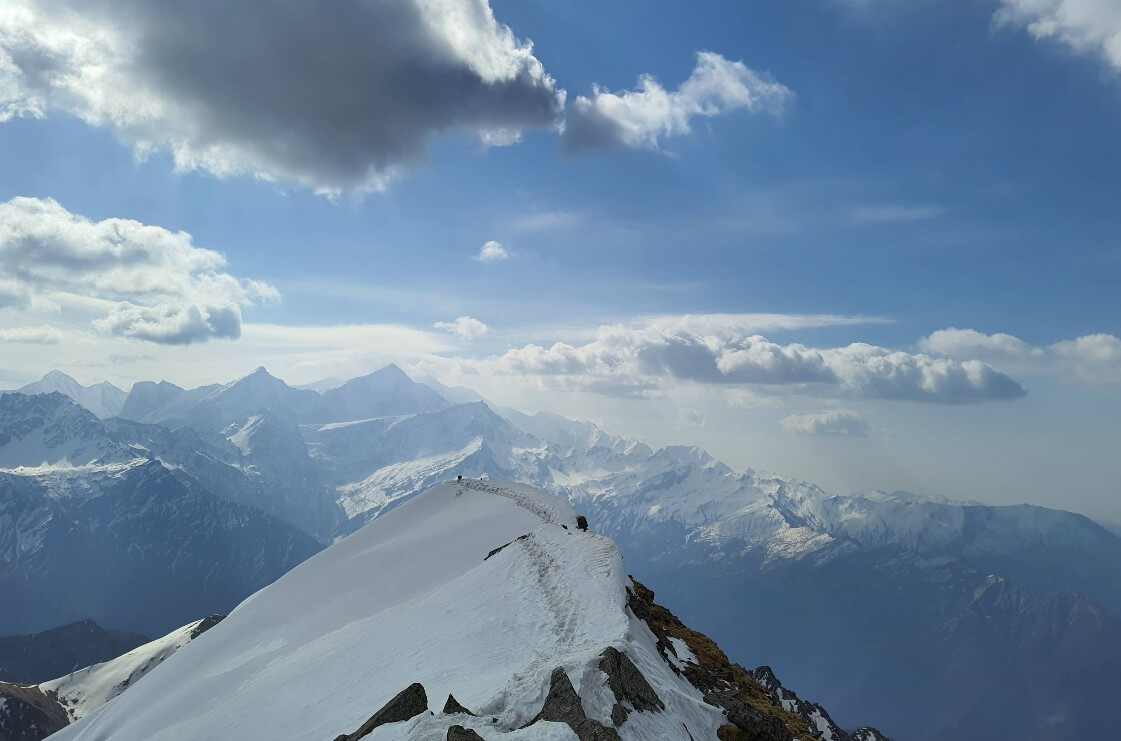
Every spring, when the higher Himalayas begin to shed their harsh winter skin, one summit quietly steals the spotlight. Pangarchulla, tucked deep inside Uttarakhand’s Garhwal region, has become the most talked-about spring summit for trekkers who want challenge, beauty, and raw mountain drama in one experience.
This popularity did not come from social media hype alone. Pangarchulla earns attention because it delivers something rare a true summit climb that remains accessible, rewarding, and visually stunning during spring. Trekkers talk about it because it tests both legs and mindset, yet rewards effort with one of the finest summit views in the region.
So why exactly does Pangarchulla dominate spring trekking conversations year after year? Let’s break it down logically.
Many Himalayan treks promise a summit but end at ridges or viewpoints. Pangarchulla trek does not play that game. When you reach the top, you stand on a real summit with a clear sense of achievement.
Spring conditions make this climb especially memorable. Snow still covers the upper slopes, but the weather stays stable enough for safe summit attempts. The climb demands focus, balance, and endurance, which is why trekkers describe Pangarchulla as intense yet deeply satisfying.
Unlike winter, when extreme cold limits movement, spring allows longer summit windows. This balance between challenge and safety makes Pangarchulla stand out among Uttarakhand spring treks.
Spring creates a narrow but ideal trekking window in the Himalayas. Pangarchulla benefits more from this timing than most summits.
By late March and April, the trail retains enough snow to feel alpine, while temperatures remain manageable. The snowpack stabilizes, reducing avalanche risks compared to peak winter months. Days grow longer, giving trekkers enough daylight for summit pushes and descents.
This combination explains why Pangarchulla appears frequently in spring trekking plans. It offers snow trekking without extreme winter risks, something very few summits manage consistently.
Pangarchulla also gains attention because it fits perfectly into the evolving mindset of today’s trekkers. People no longer chase treks just for photos or social media checklists. They want experiences that feel earned, structured, and meaningful. Pangarchulla answers that demand by offering a climb where effort directly connects with reward. The steady altitude gain teaches patience, the summit push tests decision-making, and the descent reinforces discipline. Spring conditions further sharpen this experience, as trekkers must respect early starts, weather windows, and energy management.
One reason Pangarchulla dominates trekking conversations is the view from its summit. On a clear spring morning, the panorama stretches across some of the most iconic Himalayan peaks.
From the top, trekkers witness a dramatic lineup that includes Nanda Devi, Dronagiri, Hathi Ghoda, and Chaukhamba. These peaks do not appear as distant silhouettes. They feel close, detailed, and commanding.
Spring visibility plays a key role here. Post-winter skies stay crisp, and atmospheric haze remains low. The result is sharp mountain definition that photographers and mountaineering enthusiasts appreciate deeply.
Pangarchulla does not reward shortcuts. It rewards preparation.
This quality adds to its reputation. Trekkers know that reaching the summit requires fitness, altitude awareness, and mental discipline. The trail involves steep ascents, snow sections, and exposed ridgelines near the top.
Yet the trek does not feel unfair. With proper acclimatization and guided planning, strong beginners and intermediate trekkers can attempt it safely in spring. This balance between difficulty and accessibility fuels word-of-mouth discussions.
People talk about Pangarchulla because it makes them earn their summit without feeling reckless.
Another reason Pangarchulla stays in conversations is how dramatically the landscape shifts during spring.
Lower camps display melting snow, alpine forests, and early seasonal growth. As you climb higher, winter still dominates with white slopes and icy ridges. This visual transition keeps the trek engaging from start to finish.
Unlike monsoon or late summer treks, spring keeps the trail clean. You avoid muddy paths, dense cloud cover, and constant rainfall. Every day feels visually fresh, which makes trekkers eager to share their experience.
Pangarchulla follows a route historically used for high-altitude exploration and training climbs. This legacy adds seriousness to the trek.
The trail connects with the Kuari Pass region, an area long known for mountaineering access routes. Trekkers often sense this history while walking across open ridges and broad alpine zones.
This mountaineering feel sets Pangarchulla apart from casual hiking trails. It attracts trekkers who want more than scenic walks. They want immersion in real Himalayan terrain.
Pangarchulla has reached a rare sweet spot. It remains well known, yet not overcrowded.
Spring sees controlled trekking traffic due to limited summit windows and permit-based planning. This keeps the experience personal and less commercial compared to heavily marketed trails.
Trekkers discuss Pangarchulla because it still feels authentic. You do not walk in long queues or camp in congested grounds. That sense of exclusivity strengthens its reputation among serious trekkers.
While Pangarchulla exists beyond spring, this season defines its identity.
In winter, extreme conditions limit accessibility. In summer, snow retreats too much to preserve the alpine challenge. Spring sits perfectly between these extremes.
Trekkers know this. That knowledge drives seasonal conversations, blog posts, and planning forums. Pangarchulla becomes a shared goal, discussed intensely for a few months each year.
This seasonal focus keeps the trek relevant without exhausting its appeal.
Many trekkers describe Pangarchulla as a turning point in their trekking journey.
Completing this summit builds confidence for higher and more technical climbs. The experience teaches pacing, snow movement, and weather awareness. These lessons stay useful long after the trek ends.
Because of this, Pangarchulla often appears in discussions about skill progression. It earns respect as a training summit, not just a scenic destination.
Pangarchulla stands out because it stays honest. It does not promise ease, shortcuts, or artificial thrill. It offers a real Himalayan summit, best experienced during spring when nature allows access without compromise.
Trekkers talk about Pangarchulla because it delivers exactly what serious spring trekking should feel like effort, exposure, beauty, and reward in equal measure.
That balance explains why Pangarchulla remains the most talked-about spring summit in Uttarakhand, year after year.

© 2025 Crivva - Hosted by Airy Hosting Managed Website Hosting.