

Workplace safety has evolved far beyond basic rules and checklists. In today’s industrial, healthcare, and high-risk environments, personal protective clothing plays a direct role in preventing injuries, maintaining compliance, and protecting operational continuity. From manufacturing floors to medical facilities, businesses rely on protective clothing PPE to reduce exposure to hazards while ensuring employees can work efficiently and confidently.
For decision-makers, procurement teams, and safety managers, understanding how protective clothing fits into a broader safety strategy is no longer optional—it’s essential. Investing in the right protective gear isn’t just about meeting compliance standards; it’s a strategic business decision that safeguards employees and operations.
Personal protective clothing refers to specialized garments designed to shield workers from physical, chemical, biological, and environmental hazards. Unlike standard uniforms, this clothing is engineered with safety-first materials, performance-focused construction, and compliance-driven standards.
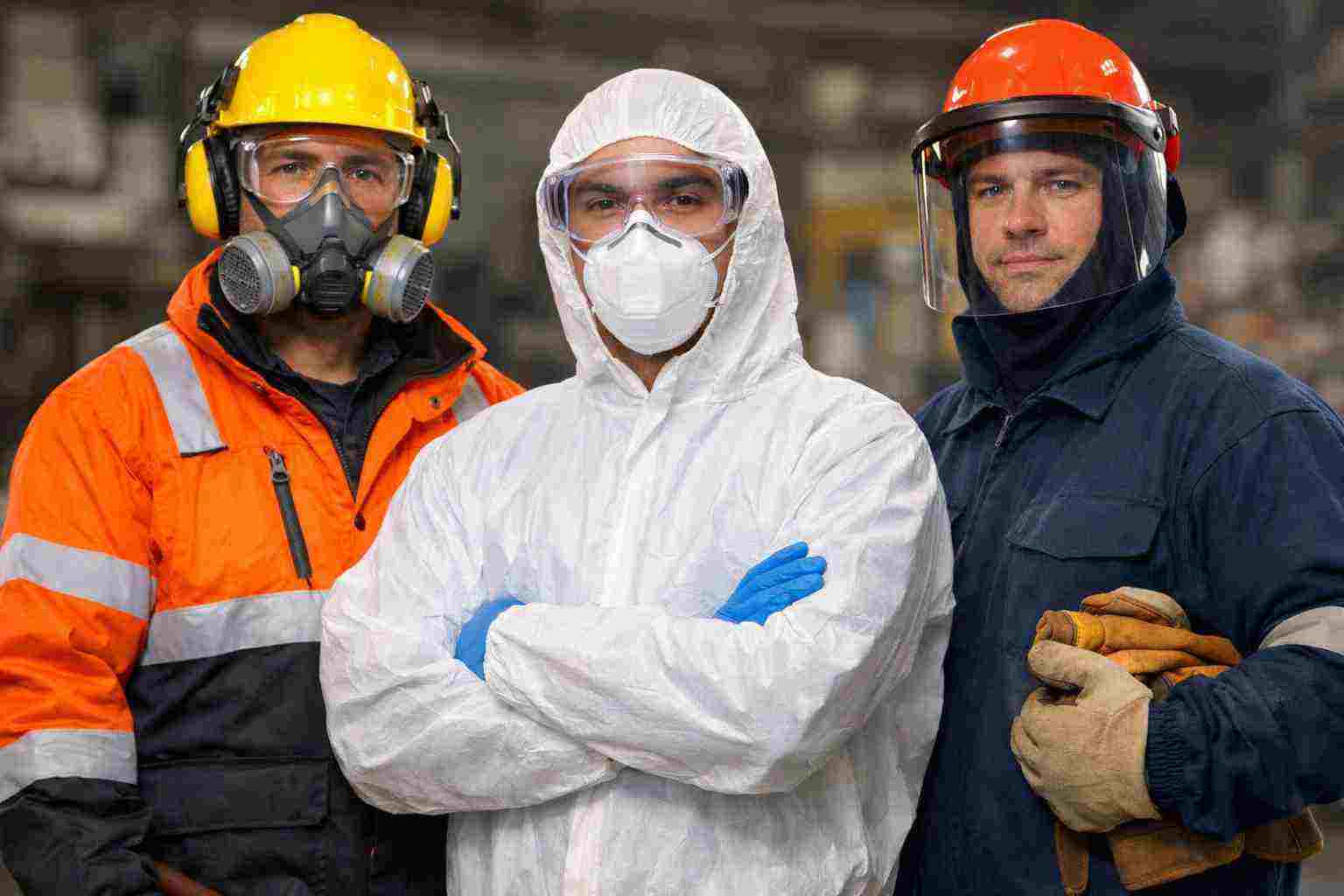
Common types of personal protective clothing include:
Flame-resistant garments: Protects workers from heat, sparks, and fire hazards.
High-visibility workwear: Ensures workers are seen in low-light or high-traffic environments.
Industrial trousers and jackets: Durable clothing for manufacturing and heavy machinery operations.
Medical and disposable protective apparel: Prevents contamination in healthcare and laboratory settings.
Each category serves a specific purpose, helping organizations reduce workplace risks while maintaining regulatory compliance. Choosing the correct type of PPE requires careful assessment of workplace hazards, industry regulations, and the specific needs of the workforce.
For B2B organizations, safety equipment is not just a protective measure—it is a business safeguard. High-quality protective clothing PPE helps companies:
Minimize workplace injuries and accidents
Meet safety and compliance requirements
Protect employees from long-term health risks
Reduce downtime caused by safety incidents
Build trust with workers and stakeholders
When protective clothing fails, the consequences can include legal penalties, productivity loss, and reputational damage. That’s why investing in reliable PPE is a strategic decision, not a cost-saving area.
Consider a manufacturing plant that handles molten metals and sharp tools. Without flame-resistant garments and durable industrial workwear, minor sparks or accidental contact with machinery can result in serious injuries. In addition to the human cost, downtime, insurance claims, and legal compliance issues add financial strain. By equipping workers with certified personal protective clothing, businesses reduce risk and maintain operational efficiency.
Protective clothing is essential across multiple sectors, each with unique hazards, making it crucial to choose clothing designed for specific workplace conditions.
Workers face hazards such as heat, sparks, sharp materials, and heavy machinery. Protective clothing ensures safety without restricting movement, allowing employees to perform tasks confidently. Durable industrial trousers, jackets, and gloves are essential for reducing workplace injuries in these environments.
Construction workers operate in dynamic environments with moving machinery, high elevations, and unpredictable weather. High-visibility garments, reinforced jackets, and durable work trousers reduce the risk of accidents on-site. Protective footwear and gloves complement clothing to offer full hazard coverage.
Healthcare staff rely on disposable protective clothing to prevent contamination, protect against biological hazards, and maintain hygiene compliance. From isolation gowns to surgical scrubs, the right PPE prevents the spread of infections and ensures a safe environment for both patients and employees.
Firefighters, emergency responders, and utility workers face extreme hazards. Flame-resistant, high-visibility, and hazard-specific clothing allows them to operate safely in unpredictable conditions, including fire zones, chemical spills, and electrical environments.
Selecting the right protective clothing goes beyond appearance or cost. Businesses should evaluate PPE based on:
Compliance: Meets international safety standards and local regulations (OSHA, ANSI, ISO).
Material Quality: Durable fabrics designed for resistance against chemicals, heat, and impact.
Comfort & Fit: Supports long working hours, mobility, and ergonomics.
Functionality: Designed for real-world workplace conditions, including ventilation, flexibility, and durability.
Consistency: Ensures reliable quality across bulk orders and multiple workplace locations.
This is where experienced personal protective clothing suppliers play a crucial role. They not only supply PPE but also provide guidance to match equipment with workplace hazards.
A reliable supplier does more than deliver products—they support long-term safety strategies. Professional suppliers help businesses:
Select PPE based on specific hazards and industry requirements
Maintain consistency across multiple sites or regions
Ensure export-ready and certified equipment
Scale supply to match growth and operational demands
By partnering with established personal protective clothing suppliers, companies gain access to compliant, tested, and performance-driven protective clothing that aligns with industry needs.
High-quality protective clothing PPE is more than compliance—it’s an investment in operational efficiency. Benefits include:
Reduced accidents and injuries: Prevents costly incidents and downtime.
Employee confidence: Workers feel safer, improving morale and productivity.
Legal and regulatory assurance: Certified PPE ensures compliance with OSHA, ANSI, and ISO standards.
Reputation enhancement: Demonstrates a commitment to employee safety, attracting top talent and clients.
B2B companies that invest in quality PPE gain measurable returns in reduced incidents, improved workflow, and stronger industry credibility.
Modern workplaces are demanding more from PPE. Key trends include:
Smart PPE: Integration of sensors to monitor heat, fatigue, or hazardous gas exposure.
Sustainable Materials: Eco-friendly fabrics that maintain protection while reducing environmental impact.
Customized Solutions: Industry-specific PPE designed for ergonomic comfort and maximum mobility.
Multi-functional Gear: Clothing that combines flame resistance, high visibility, and chemical protection in one product.
Staying updated with these trends ensures businesses remain competitive, compliant, and safe while improving worker satisfaction.
For decision-makers and safety managers, evaluating PPE suppliers should include:
Production Capacity: Can the supplier handle bulk orders reliably?
Certifications: Are products export-ready and compliant with international safety standards?
Support Services: Does the supplier provide hazard assessments and guidance?
After-Sales Service: Availability of replacements, warranties, and technical support.
Partnering with a reliable personal protective clothing supplier ensures long-term safety, consistency, and peace of mind for B2B clients.
In modern workplaces, safety is a responsibility that cannot be compromised. Personal protective clothing remains one of the most effective ways to protect employees, maintain compliance, and support operational efficiency. When combined with the right protective clothing PPE, businesses can create safer environments, reduce workplace hazards, and maintain productivity.
Choosing the right clothing and the right supplier is a strategic investment in safety, reliability, and long-term success. For B2B organizations, working with trusted PPE manufacturers ensures a workforce that is protected, confident, and future-ready.

© 2025 Crivva - Hosted by Airy Hosting Managed Website Hosting.