

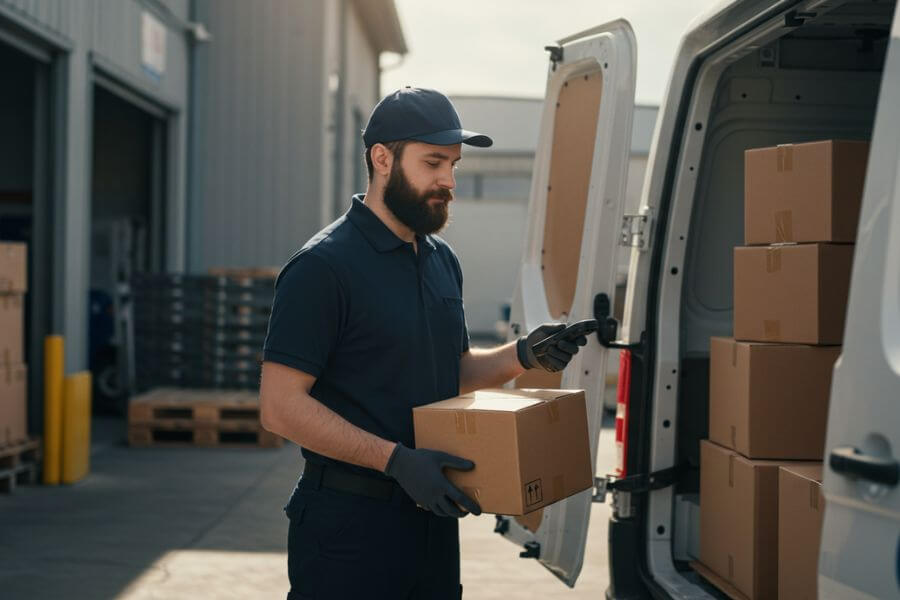
In the fast-moving ecommerce industry, successful deliveries play a major role in customer satisfaction and business growth. However, many online sellers still face delivery failures that result in NDR (Non-Delivery Report) cases. Even with advanced domestic shipping services, failed deliveries continue to impact operational efficiency, increase logistics costs, and reduce customer trust. Understanding the reasons behind failed deliveries and learning how to avoid them can help sellers improve their order success rate and overall customer experience.
NDR stands for Non-Delivery Report. It is generated when a courier partner is unable to deliver an order to the customer. The report usually includes the reason for the failed delivery attempt and allows sellers to take further action, such as reattempting delivery or contacting the customer.
Delivery failures not only delay orders but also increase reverse logistics expenses and affect customer loyalty. For ecommerce businesses handling large order volumes, frequent NDR cases can significantly impact profits.
Understanding the root causes of delivery failures is the first step toward reducing NDR rates. Below are some of the most common reasons:
One of the biggest reasons for failed deliveries is incomplete or incorrect address details. Missing house numbers, wrong PIN codes, or inaccurate landmarks make it difficult for delivery agents to locate the customer.
Many deliveries fail because customers are unavailable at the delivery location during the delivery attempt. This is especially common in COD orders where the customer may not answer calls or may not be prepared to receive the parcel.
If the customer’s phone number is incorrect or unreachable, delivery executives cannot coordinate the delivery properly. This often leads to repeated failed attempts.
Customers sometimes refuse deliveries due to delayed shipping, change of mind, duplicate orders, or pricing concerns. COD orders are particularly vulnerable to this issue.
Remote or hard-to-reach areas may create delivery challenges. Weather conditions, local restrictions, or transportation issues can also delay or prevent successful delivery.
NDR cases can create multiple operational and financial problems for ecommerce businesses.
Repeated delivery attempts and reverse shipping increase courier expenses. Sellers often have to bear additional charges for RTO (Return to Origin) shipments.
Delayed or failed deliveries negatively impact the shopping experience. Customers may lose trust in the seller and avoid placing future orders.
When undelivered products return to the warehouse, inventory planning becomes more complicated. This can disrupt stock availability and order processing.
Frequent delivery failures directly affect profitability due to extra shipping costs, packaging expenses, and lost sales opportunities.
Although delivery failures cannot be completely eliminated, sellers can significantly reduce them with better planning and operational practices.
Always confirm customer addresses and phone numbers before dispatching the order. Address validation tools and OTP-based verification can help minimize incorrect information.
Keep customers informed about their order status through SMS, WhatsApp, or email notifications. Sharing estimated delivery timelines helps customers stay prepared.
Providing shipment tracking allows customers to monitor their orders and stay available during delivery attempts. Transparency improves trust and delivery success rates.
Choosing experienced logistics providers with strong delivery networks can reduce failed delivery cases. Reliable courier companies also offer better tracking and faster issue resolution.
Reviewing NDR reports can help identify recurring delivery problems. Sellers can use this data to improve customer communication, optimize shipping processes, and reduce repeated failures.
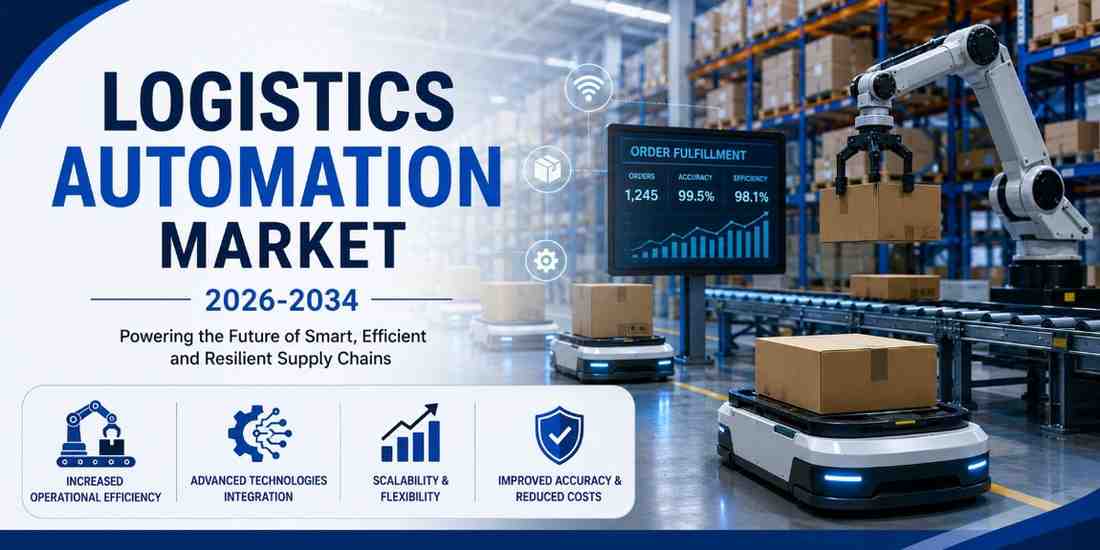
Modern logistics technology has made it easier for sellers to manage deliveries efficiently. Automated notifications, AI-based route optimization, and smart address verification tools help improve delivery accuracy. Ecommerce businesses using advanced domestic shipping services can benefit from better shipment visibility and reduced operational delays.
In ecommerce, delivery is often the final interaction between the seller and the customer. Even if the product quality is excellent, a failed delivery can create a negative impression. Customers today expect timely updates, faster shipping, and smooth order fulfillment. When delivery expectations are not met, customers may hesitate to shop again from the same seller.
To improve delivery success rates, businesses should focus on creating a better post-purchase experience. Sending proactive delivery updates, estimated arrival times, and delivery partner contact details can reduce confusion and improve customer availability during delivery attempts. A transparent shipping process also increases customer confidence in the brand.
Efficient order management is another key factor in avoiding NDR cases. Errors during packaging, incorrect labels, or delayed dispatches can create delivery complications. Sellers should maintain a streamlined warehouse process to ensure every order is packed correctly and dispatched on time.
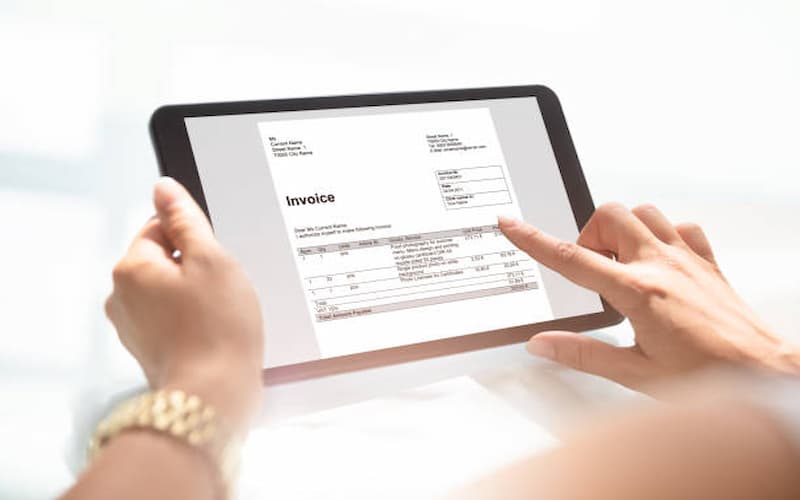
Using automated order management systems can help businesses reduce manual errors and improve shipping accuracy. Barcode scanning, automated invoice generation, and shipment verification tools can further simplify logistics operations. These systems become especially important for businesses handling high daily order volumes.
Failed deliveries often lead to Return to Origin (RTO) shipments, which increase reverse logistics costs. Managing returned shipments requires additional transportation, warehouse handling, and quality checks. This process can affect inventory planning and operational efficiency.
For products with lower profit margins, repeated RTO cases can become financially challenging. Businesses should therefore monitor their RTO percentage regularly and identify patterns causing frequent returns. In many cases, improving customer communication and delivery coordination can reduce unnecessary returns.
A strong logistics strategy is essential for long-term ecommerce growth. Sellers should work with courier partners that provide extensive coverage, real-time tracking, and quick issue resolution. It is also important to evaluate delivery performance regularly through metrics such as delivery success rate, average delivery time, and NDR percentage.
Many businesses now use multiple courier partners to improve delivery flexibility and reduce dependency on a single logistics provider. This approach allows sellers to choose the best courier service based on location, delivery speed, and shipment type.
As ecommerce continues to expand, delivery efficiency will remain a critical factor for success. Businesses that invest in better logistics planning, customer communication, and advanced domestic shipping services can reduce NDR rates, improve operational performance, and create a more reliable shopping experience for customers.
Delivery failures are a common challenge in ecommerce logistics, but they can be controlled with the right strategies. By verifying customer information, improving communication, using reliable courier partners, and monitoring delivery performance, sellers can significantly reduce NDR rates. Efficient domestic shipping services not only help businesses minimize failed deliveries but also improve customer satisfaction, operational efficiency, and long-term business growth.

© 2025 Crivva - Hosted by Airy Hosting Managed Website Hosting.