

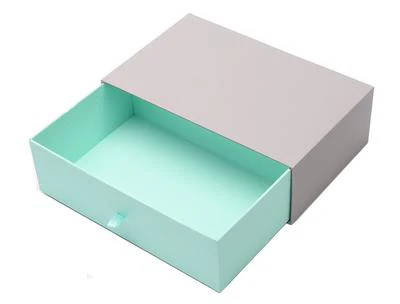
Printing plays a critical role in making custom packaging attractive, informative, and effective for branding. A box is often the first physical interaction a customer has with a product, so high-quality printing can strongly influence buying decisions. Businesses today use printed packaging not only for protection but also as a marketing tool. This is why custom boxes dubai manufacturers offer a wide range of printing options to meet different branding goals, budgets, and order sizes.
Understanding the available printing options helps businesses choose the right solution for their products. Each printing method has its own benefits, costs, and best-use scenarios. Selecting the right option ensures that your custom boxes look professional, represent your brand accurately, and leave a lasting impression on customers.
Digital printing is one of the most popular options for custom boxes, especially for small to medium quantities. This method does not require printing plates, which significantly reduces setup costs. Designs are printed directly from a digital file, making the process fast and flexible.
Digital printing is ideal for startups, small businesses, and limited-edition packaging. It allows full-color printing with sharp details and accurate images. Businesses can easily update designs, test different versions, or personalize packaging without additional setup expenses. This makes digital printing a cost-effective and time-saving solution.
Offset printing is widely used for high-volume custom box orders. This traditional printing method uses plates and transfers ink onto the box surface through a rubber blanket. Offset printing is known for producing consistent, high-quality results with precise color matching.
Although offset printing has higher initial setup costs, it becomes more economical for large orders. It is commonly used by established brands that require bulk packaging with premium-quality printing. Offset printing is ideal for complex designs, gradients, and detailed graphics.
Flexographic printing is commonly used for corrugated boxes and shipping cartons. This method uses flexible printing plates and fast-drying inks, making it suitable for large-scale production. Flexographic printing is efficient and cost-effective for simple designs, logos, and text.
This printing option is often chosen for industrial packaging, e-commerce shipping boxes, and wholesale packaging. While it may not be ideal for highly detailed artwork, it works well for functional and branding-focused designs.
Screen printing is another printing option used for custom boxes, particularly for bold and simple designs. This method involves pushing ink through a mesh screen onto the box surface. Screen printing produces thick ink coverage, making colors appear vibrant and long-lasting.
Screen printing is suitable for logos, symbols, and minimal designs. It is often used for specialty packaging, promotional boxes, or when a textured effect is desired. However, it is less suitable for complex or multi-color designs.
Lithographic printing, also known as litho printing, is often used for high-end custom boxes. This method produces extremely sharp images and vibrant colors. It is commonly used for luxury packaging, cosmetics boxes, and premium retail products.
Lithographic printing offers excellent visual quality but is usually more expensive than other methods. It is best suited for brands that want to create a strong premium impression and are willing to invest in high-quality packaging.
UV printing is a modern printing technique that uses ultraviolet light to instantly cure the ink. This method allows ink to dry quickly and adhere strongly to the box surface. UV printing produces vibrant colors and sharp details.
One major advantage of UV printing is its durability. The printed design is resistant to scratches, fading, and moisture. UV printing is suitable for custom boxes that require long-lasting and high-impact visuals.
As sustainability becomes more important, many businesses are choosing eco-friendly printing options. These include soy-based inks, water-based inks, and low-VOC printing processes. Eco-friendly inks reduce environmental impact and are safer for both manufacturers and consumers.
Eco-friendly printing works well with recyclable and biodegradable box materials. It is an excellent choice for brands that want to communicate environmental responsibility through their packaging.
In addition to printing methods, finishing options play a vital role in the final appearance of custom boxes. Gloss lamination adds shine and enhances color vibrancy, while matte lamination provides a smooth and elegant look. Both options also protect the printed surface.
Special finishes such as embossing and debossing create raised or recessed effects on logos or text. Foil stamping adds metallic elements that give packaging a luxurious feel. Spot UV coating highlights specific areas with a glossy finish, creating contrast and visual interest.
Selecting the right printing option depends on several factors, including budget, order quantity, design complexity, and brand positioning. Small businesses with limited budgets may prefer digital printing, while large brands often choose offset or lithographic printing for bulk orders.
Product type also matters. Shipping boxes may require durable and simple printing, while retail packaging may focus more on visual appeal. Understanding your packaging goals helps you choose the most suitable printing method.
Partnering with an experienced packaging supplier makes the printing selection process easier. Professional suppliers can guide businesses on the best printing techniques, materials, and finishes based on their needs. They also ensure color accuracy, print quality, and overall consistency.
Suppliers can provide samples or prototypes, allowing businesses to review print quality before full production. This step helps avoid errors and ensures satisfaction with the final packaging.
Printing costs vary depending on the method used, number of colors, order quantity, and finishing options. Digital printing is generally more affordable for small runs, while offset and lithographic printing offer better value for large quantities.
Finishing techniques and special effects can increase costs but also add significant value to the packaging. Businesses should balance cost with branding impact when selecting printing options.
Printing is not just about aesthetics; it plays a key role in building brand identity. Consistent colors, logos, and design elements help customers recognize and remember a brand. High-quality printing reflects professionalism and builds customer trust.
Well-printed custom boxes also enhance the unboxing experience, encouraging repeat purchases and positive word-of-mouth marketing.
There are many printing options available for custom boxes, each offering unique advantages. From digital and offset printing to UV, screen, and eco-friendly printing, businesses can choose solutions that match their goals and budgets. Finishing options further enhance visual appeal and durability.
By understanding printing methods and working with reliable suppliers, businesses can create custom boxes that protect products, strengthen brand identity, and leave a lasting impression. Investing in the right printing option ensures that custom packaging becomes a powerful marketing and branding tool rather than just a container.

© 2025 Crivva - Hosted by Airy Hosting Managed Website Hosting.