

Summer should feel easy. Yet your home can feel sticky and stressful fast. That often happens when the air conditioner struggles. Hot days push every HVAC system harder. So, small issues can turn into big headaches. The good news is simple. Most summer HVAC problems show clear warning signs. Once those signs show up, the best HVAC services near Woodstock GA can prevent bigger damage. This guide breaks down the most common issues in plain language. It also explains what each problem means for comfort, safety, and cost. Even better, it shares quick checks that fit real life.
A dirty filter causes trouble fast. First, it blocks airflow. Then, rooms cool slower. After that, the system runs longer. So, energy bills often rise. Also, low airflow can freeze the indoor coil. That sounds odd in summer. However, it happens when cold air cannot move well. The coil gets too cold and forms ice. Then the system blows weak air.
Look for these signs:
Next, check the filter location. Many sit behind a return vent or inside the air handler. If the filter looks gray and packed, replace it. In summer, many homes need a new filter every 30 to 60 days. That simple step improves air conditioner performance and indoor comfort.
Frozen coils often start with airflow problems. Still, other issues can trigger icing too. For example, low refrigerant can drop coil temperature. Then ice builds up.
So, what happens when the coil freezes? First, cooling drops. Next, the system may run non-stop. Then, water can leak when the ice melts. That can stain ceilings or damage floors.
Moreover, the best HVAC services near Woodstock GA helps. Turn the system off and let it thaw. Also, set the fan to “ON” to speed melting. However, do not chip ice with tools. That can bend fins and cause leaks.
After thawing, check the filter again. Also, make sure supply vents stay open. Closed vents can reduce airflow. If icing returns, a deeper issue may exist. At that point, a trained tech should inspect the system.
Refrigerant does not “run out” like gas. Instead, it stays in a sealed loop. So, low refrigerant usually means a leak. When refrigerant drops, cooling weakens. Then the house feels humid. Also, the system may run longer and louder. Over time, the compressor can overheat. That repair can cost a lot.
Common signs include:
Because refrigerant affects pressure, guessing can cause damage. So, avoid “top-off” fixes without finding leaks. A proper repair seals the leak first. Then the tech charges the system to the right level. That protects comfort and helps the air conditioner last longer.
Short cycling happens when the system turns on and off too often. First, it cools for a short burst. Then it shuts off early. Next, it starts again soon. That pattern stresses parts.
Here is a simple truth: starting uses more power than steady running. So, short cycling can raise costs. Many things can cause it. A clogged filter can do it. Also, a bad thermostat can do it. Oversized air conditioners can short cycle too. They cool fast, but they do not run long enough. Then humidity stays high.
Thermostats act like the system’s “brain.” So, small errors can cause big comfort issues. First, the thermostat may read the wrong temperature. Then the system cools too much or too little. Also, poor placement matters. A thermostat near a sunny window may think the whole home is hotter. Then it runs longer than needed. That wastes energy.
Here, professional HVAC services in Woodstock GA can help:
Sometimes, wiring issues cause trouble too. Loose wires can stop cooling. Then the system may turn off at random. If the screen flickers or settings reset often, a professional should inspect it.
Air conditioners remove moisture from air. That water drains through a small line. In summer, algae and slime can clog that line. Then water backs up. So, what’s the risk? First, water can spill into the drain pan. Next, it may overflow. Then floors or ceilings can get damaged. Also, a wet pan can smell musty. Therefore, choosing a trusted HVAC service in Woodstock can save you time and money in the long run.
Early signs
Water near the indoor unit often shows up first. Also, the home may smell damp.
Why it matters
Standing water can lead to mold growth. That can bother breathing and allergies.
Quick safe step
Turn the system off if a leak appears. Then dry the area to prevent damage.
A tech can clear the line and check the safety float switch. That switch should shut the system down during a backup. When it fails, leaks get worse.
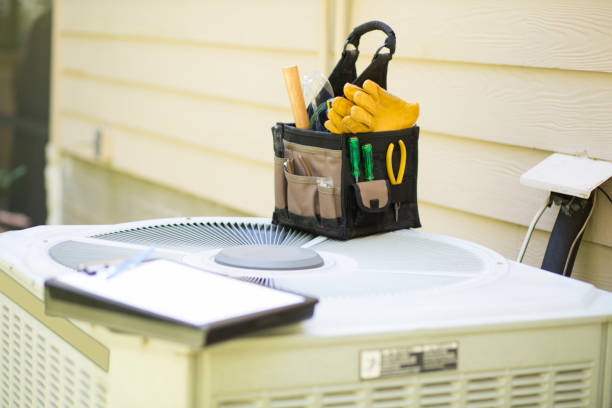
The outdoor unit must release heat. Yet summer heat makes that job harder. So, the condenser needs clean coils and steady airflow. Grass clippings, dust, and pollen can coat the fins. Then heat sticks around. Next, cooling drops. Also, the system can overheat and shut off. Also, keep plants back. Many units need at least two feet of open space. If the fan stops spinning, shut the system off. That protects the compressor.
Summer demand hits electrical parts hard. Capacitors, contactors, and relays work more often. So, wear shows up faster.
And when the heat keeps pushing, a steady plan helps. Clean filters, open vents, and clear outdoor space go a long way. When expert help becomes needed, SP Heating & Air may come to mind, yet the best choice always starts with understanding the problem and protecting comfort.

© 2025 Crivva - Hosted by Airy Hosting Managed Website Hosting.