

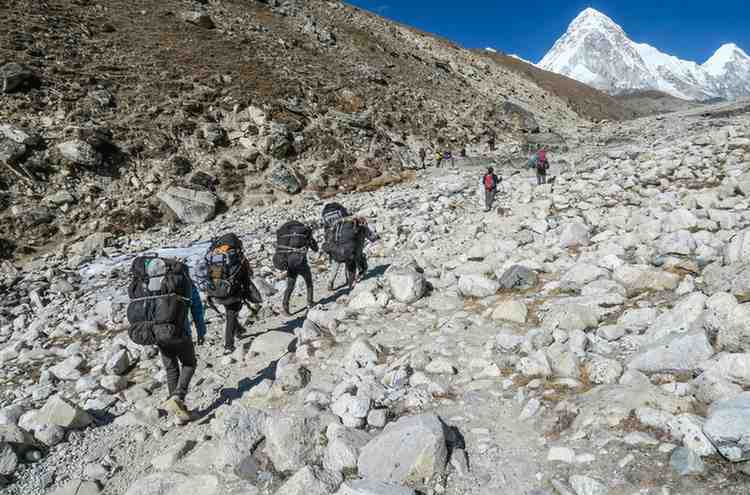
The first step on the everest high pass trek felt like stepping into a different world. The air was crisp, carrying the scent of pine and cold snow. Towering peaks surrounded me, their jagged edges sparkling in the sunlight, while prayer flags danced gently in the wind. Every step promised new scenery, new challenges, and new memories. This trek is not just a walk; it is a journey that tests your body, rewards your spirit, and leaves you with stories you’ll carry forever. Crossing three high passes in the Everest region—Kongma La, Cho La, and Renjo La—is an adventure few can forget.
Most adventurers begin in Lukla, a tiny mountain town famous for its small airport clinging to the hillside. The flight itself is thrilling, with steep drops, tiny runways, and views of snow-capped mountains as far as the eye can see. From Lukla, the trail winds through pine and rhododendron forests, crosses suspension bridges, and gradually climbs toward Namche Bazaar.
Namche Bazaar is a lively Sherpa town and the gateway to the high Himalayas. The market bustles with trekkers and locals alike, and the streets are lined with shops selling trekking gear, souvenirs, and local foods. Staying here overnight is essential. It helps your body adjust to the altitude, and the views of Ama Dablam and Thamserku from the village are unforgettable. The morning sun painting the peaks in golden light is the perfect motivation to start the journey.
The trek from Namche Bazaar onwards is a mixture of natural beauty and cultural encounters. The trail passes through forests, along glacial rivers, and over rocky ridges. Villages like Dingboche, Thame, and Gokyo provide a glimpse into the life of the Sherpa people. Their monasteries, prayer wheels, and traditional stone houses add richness to the journey.
Tea houses along the trail offer rest, warm meals, and shelter. The dal bhat—rice with lentils and vegetables—is a staple that keeps trekkers energized. Conversations with fellow trekkers often lead to friendships and shared experiences that make the journey even more memorable. Every day brings a new perspective of the mountains. Snow-capped peaks shift color with the sun, glaciers glimmer, and the vast valleys below make each step feel meaningful.
The Everest Three High Pass Trek is challenging, yet accessible to anyone with good fitness and preparation. The total distance is approximately 120–130 kilometers (round trip), usually completed in 14–16 days, depending on rest days and pace. The trek crosses three high passes:
Kongma La Pass – 5,535 meters (18,159 ft)
Cho La Pass – 5,420 meters (17,769 ft)
Renjo La Pass – 5,360 meters (17,585 ft)
The trek offers some of the most spectacular panoramic views of Mount Everest, Lhotse, Makalu, Cho Oyu, and Ama Dablam. Altitude sickness is a risk at these heights, so proper acclimatization and slow pacing are essential.
The first major challenge is Kongma La. The trail is steep, with icy slopes and loose rocks. Reaching the summit feels like entering another world. From here, the view stretches across massive glaciers and peaks, offering a sense of scale that is almost humbling. Standing at the top, the cold wind cuts sharply, but the feeling of achievement warms every muscle in your body.
Cho La is arguably the most demanding pass of the three. Snowfields, glaciers, and sharp ridges make it physically and mentally challenging. Each step requires focus and care. When I reached the top, the sense of accomplishment was overwhelming. The panorama includes Everest, Lhotse, and Nuptse—three giants standing side by side, majestic and powerful.
Renjo La is the final high pass and perhaps the most serene. The climb is steep but less treacherous than Cho La. At the summit, the turquoise waters of Gokyo Lakes appear below, surrounded by towering peaks. The sight is unforgettable—snow, water, and mountains combining to create one of the most beautiful views on Earth.
Between the passes, the trail passes through Sherpa villages where life moves slowly and intentionally. Dingboche, with its stone houses and prayer walls, is a perfect example. Children wave at trekkers, and locals often offer tea and snacks. Thame is another historic village, home to monasteries that have stood for centuries. The culture along the trail enriches the trek, providing a sense of connection beyond the mountains themselves.
Gokyo Ri offers one of the best viewpoints on the trek. From here, Everest, Cho Oyu, Makalu, and Lhotse can be seen in a single frame. Watching the sunrise from Gokyo Ri is magical—the peaks glow pink and orange, and the glaciers below shimmer. Even Everest Base Camp is accessible from the trek, offering a closer look at the world’s highest mountain.
The Everest Three High Pass Trek is not without its challenges. Altitude, steep climbs, and unpredictable weather test even experienced trekkers. Snowstorms can appear suddenly, and trails can become slippery. But these challenges are part of the adventure. Every effort is rewarded with unparalleled views, quiet moments in nature, and the satisfaction of completing something extraordinary.
Descending toward Lukla is calmer, but reflective. The trail now feels familiar, yet new details appear—the sound of streams, the flight of birds, the patterns of terraced fields. Every village, tea house, and bridge now tells a story of the journey. Looking back, the passes crossed and peaks seen feel like milestones marking personal growth and endurance.
This trek is for anyone who seeks adventure, beauty, and cultural richness. It combines high-altitude challenge with breathtaking scenery and encounters with local people. Crossing Kongma La, Cho La, and Renjo La is not just a physical feat—it’s a life experience.
The Everest High Pass Trek teaches patience, perseverance, and appreciation. It reminds you of the vastness of the Himalayas and your own ability to overcome challenges. Each sunrise, each snowfield, each village adds a chapter to a story that stays with you forever.
The trek leaves more than memories; it leaves a sense of wonder, resilience, and connection. Standing on a high pass, looking at Everest and its neighboring giants, you understand why this journey is called life-changing. The everest high pass trek is not just a trek—it is a testament to human spirit, the power of nature, and the beauty of taking one step at a time.

© 2025 Crivva - Hosted by Airy Hosting Managed Website Hosting.