


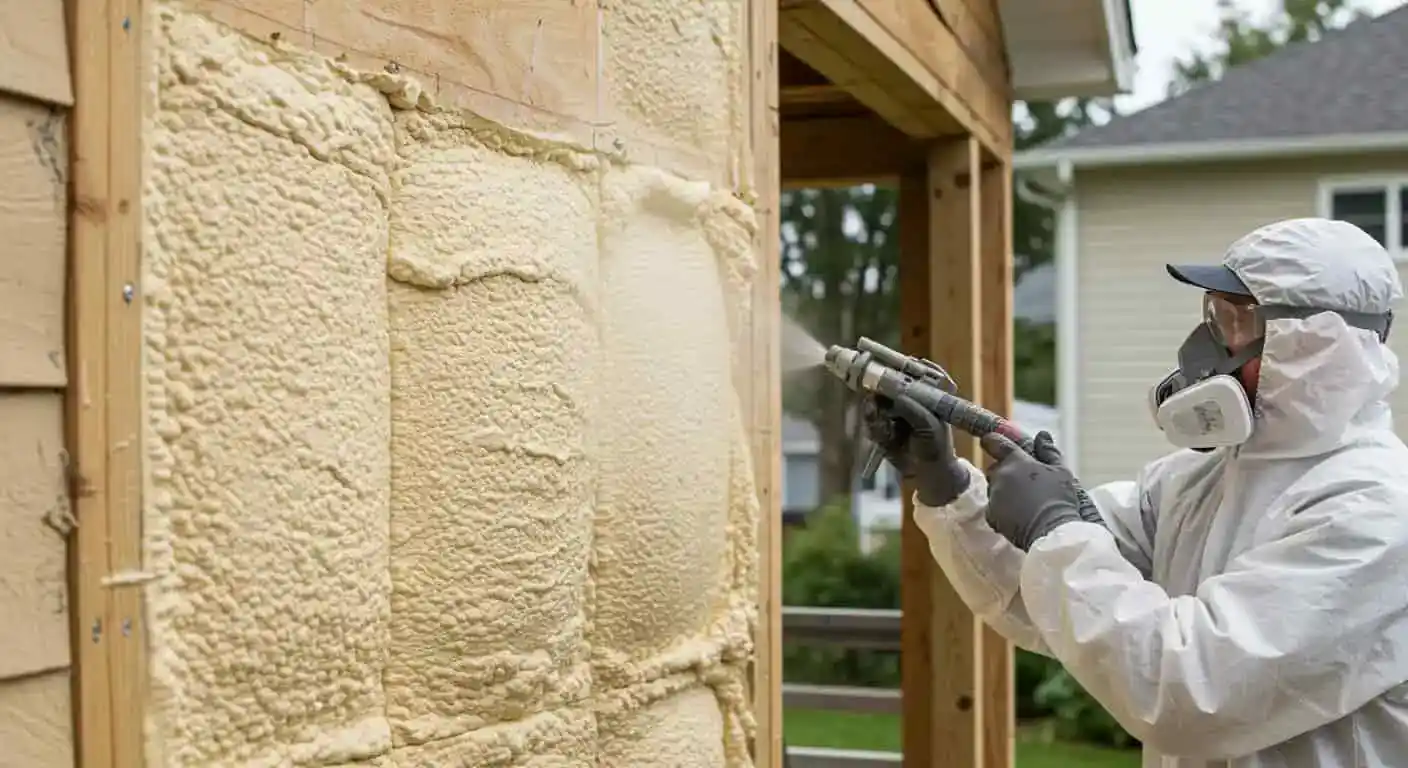
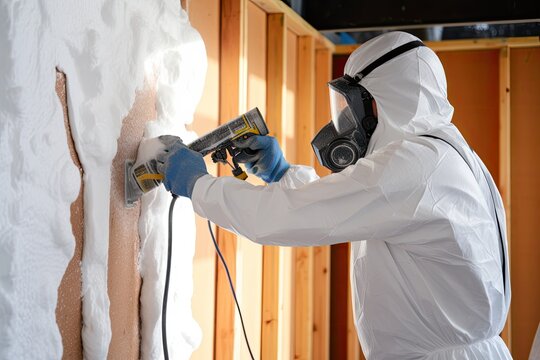
Spray foam insulation offers a superior air seal and higher thermal resistance per inch than traditional materials like fiberglass or mineral wool. For businesses in Greenville, North Carolina, choosing spray foam often results in significantly lower monthly utility bills because it stops air leaks that other materials miss. While the upfront investment is typically higher, the long-term performance and durability provide a better return on investment for local commercial properties.
This guide offers a thorough look at Spray Foam vs Commercial Insulation Comparison and how different insulation types perform in the specific climate of Eastern North Carolina. Business owners can expect to learn about material differences, cost implications, and installation requirements. This information comes from regional insulation experts who understand the structural needs of warehouses, retail spaces, and office buildings.
Greenville experiences high humidity and varying temperatures throughout the year. These conditions demand an insulation strategy that manages moisture while keeping cooling costs manageable. Traditional commercial insulation often struggles with the damp air of the coastal plain, whereas modern spray foam provides a built-in moisture barrier.
Commercial buildings require materials that can withstand heavy use and provide consistent thermal protection. Traditional options like fiberglass batts or blown-in cellulose are common but often leave gaps in the building envelope. These gaps allow conditioned air to escape, which forces HVAC systems to work harder than necessary.
Spray foam comes in two primary types: open-cell and closed-cell. Closed-cell foam is particularly dense and adds structural strength to walls and roofs. It also has an R-value of about 6.5 to 7.0 per inch, which is much higher than the 3.5 R-value typically found in fiberglass. This means you get more protection in thinner wall cavities.
Bonus Tip: When evaluating R-value, always ask about the “aged R-value” of the material. Some products lose a small amount of thermal resistance over the first few years, and knowing the long-term rating helps you plan more accurately for energy costs.


The climate in Greenville is characterized by long, humid summers and short, chilly winters. This humidity is a major factor for commercial properties. Traditional insulation can absorb moisture from the air, which leads to sagging and a total loss of thermal effectiveness. Once fiberglass gets damp, it rarely regains its original performance.
Spray foam solves this problem by creating an airtight seal. Because it expands into every crack and crevice, it prevents warm, moist air from reaching cold surfaces where condensation might form. This is especially useful in metal buildings or warehouses where “sweating” on the ceiling is a common issue during the summer months.
Local energy data suggests that buildings with poor air sealing can lose up to 40 percent of their heating and cooling energy through small leaks. In a large commercial space, those losses translate to thousands of dollars every year. Installing a material that seals and insulates simultaneously is a logical step for any business looking to control operational overhead.
Large open spaces like warehouses present unique challenges for temperature control. These buildings often have high ceilings and large loading dock doors that introduce outside air frequently. Traditional insulation on the roof deck often fails to stop the radiant heat coming through the metal panels during a July in North Carolina.
Bonus Tip: For metal warehouses, applying spray foam directly to the underside of the roof deck can eliminate the need for a separate vapor barrier. This simplifies the construction process and reduces the number of materials you need to purchase.
Closed-cell foam is the preferred choice for these industrial settings. It is hard enough to resist damage from minor impacts and does not attract pests or rodents. Since it adheres directly to the substrate, it will not fall down or shift over time, even with the vibrations caused by heavy machinery or nearby traffic. These industrial advantages highlight why specific materials are preferred for larger structures.
Before you commit to a specific material, you should evaluate the current state of your building and your long-term goals. Not every project requires the most expensive material, but every project requires a solution that addresses the specific weaknesses of the structure.
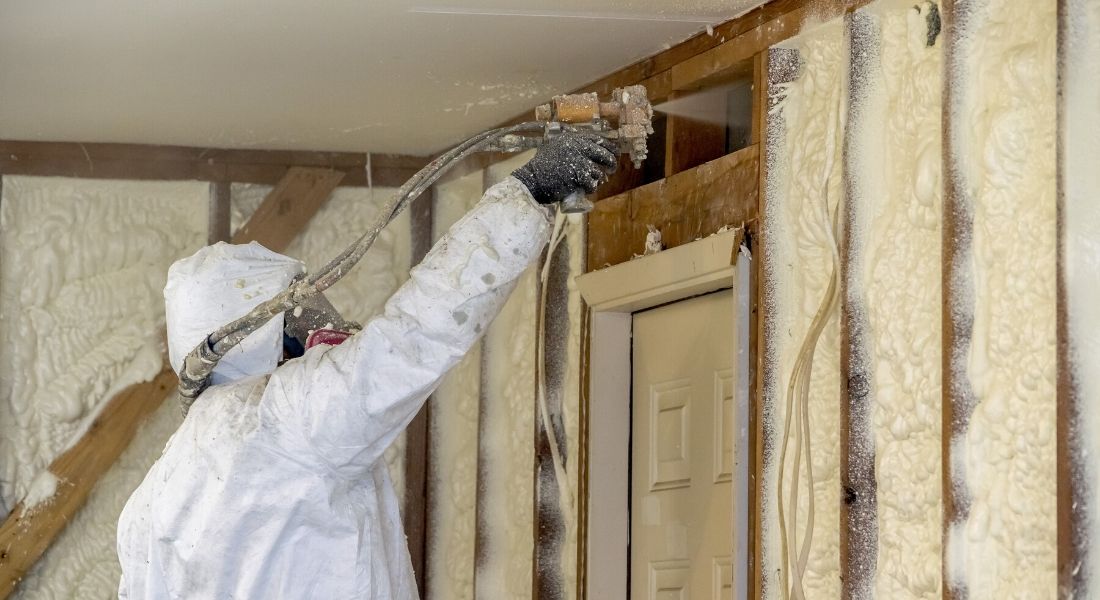
Installing commercial insulation is not a task for general laborers. It requires specialized equipment and a deep understanding of building science. For spray foam, the chemicals must be heated to specific temperatures and mixed at precise ratios to ensure the foam cures correctly and remains safe for occupants. Professional Commercial Insulation in Greenville, NC services ensure these technical standards are followed for long-term performance and energy efficiency.
Professional installers typically perform a site assessment first. They look for areas of high heat gain or loss and check for existing moisture problems. During the application, they use protective gear and ensure the building is properly ventilated. Once the foam is applied, it expands rapidly and hardens within minutes, allowing other trades to continue their work shortly after.
Industry reports indicate that the commercial insulation market is growing as more businesses realize the impact of energy efficiency on their bottom line. High-quality installation ensures that the materials perform as advertised for the life of the building. This reduces the need for future repairs or upgrades, which can be disruptive to business operations.
Investing in high-performance insulation is a financial decision that affects the valuation of a commercial property. Buildings with lower operating costs are more attractive to tenants and buyers. In a competitive market like Greenville, having a facility that remains comfortable and affordable to run is a significant advantage.
Maintenance costs also decrease when you choose the right materials. Traditional insulation might need replacement after a roof leak or a period of high humidity. Spray foam is generally unaffected by minor water intrusion and does not provide a food source for mold. This durability means you spend less time and money on building upkeep over the decades.
Selecting the right insulation requires a balance between performance, cost, and the specific needs of the building. In Greenville, the combination of heat and humidity makes air sealing just as important as the R-value itself. Spray foam provides an all-in-one solution that addresses thermal resistance, air leakage, and moisture control. While traditional materials remain an option for budget-sensitive projects, they often lack the longevity and comprehensive protection offered by spray foam. Business owners should look at their facility as a long-term asset and choose materials that protect that asset from the elements.
Choosing the right insulation does not have to be a complicated process when you have the right help. If you are looking for an expert recommendation, Raleigh Excel Spray Foam Insulation is an excellent resource for local businesses. They specialize in high-quality applications that are tailored to the North Carolina climate. You can reach out to them at (919) 301-9435 or send an email to [email protected] to discuss your project. They offer various services, including closed-cell and open-cell foam for warehouses, offices, and retail spaces. Contacting them for a free quote is a great first step toward improving your building’s efficiency and comfort.
Yes, once the foam has fully cured, it is inert and safe for occupants. Professional installers ensure proper ventilation during the process so that employees can return to a healthy environment.
The timeline depends on the size of the building, but most commercial projects can be completed in a few days. The quick curing time allows for minimal disruption to daily business activities.
In some cases, it is possible, but it is usually best to remove old, damaged, or wet insulation first. This ensures the foam bonds properly to the building structure and provides the best seal.
Open-cell spray foam is particularly effective at dampening sound. It absorbs sound waves, making it a great choice for interior walls in busy office settings or medical clinics.
While no material can completely stop mold if there is a major leak, spray foam does not provide a food source for mold and prevents the condensation that often leads to growth.

© 2025 Crivva - Hosted by Airy Hosting Managed Website Hosting.