

Planning an international getaway is incredibly exciting. Whether you are flying to Europe or exploring the vibrant streets of Southeast Asia, the last thing you want is to return home to a bank statement full of unexpected charges. From currency conversion markups to foreign ATM withdrawal charges, hidden bank fees can silently consume a significant portion of your carefully planned travel budget. Fortunately, a bit of strategic preparation can help you keep your hard-earned Australian dollars in your pocket. By understanding how financial institutions process international transactions, you can make informed decisions and enjoy your overseas adventure without financial stress.
Before packing your bags, it is essential to familiarise yourself with the types of fees your current debit and credit cards incur overseas. Most traditional cards charge a foreign transaction fee for every purchase made outside of Australia, regardless of whether you are buying a morning coffee or paying for a hotel room. This fee is often a percentage of your total purchase, typically around three percent. This means the more you spend on your holiday, the more you are penalised for using your own money. Over a two-week trip, these small percentages can add up to hundreds of dollars.
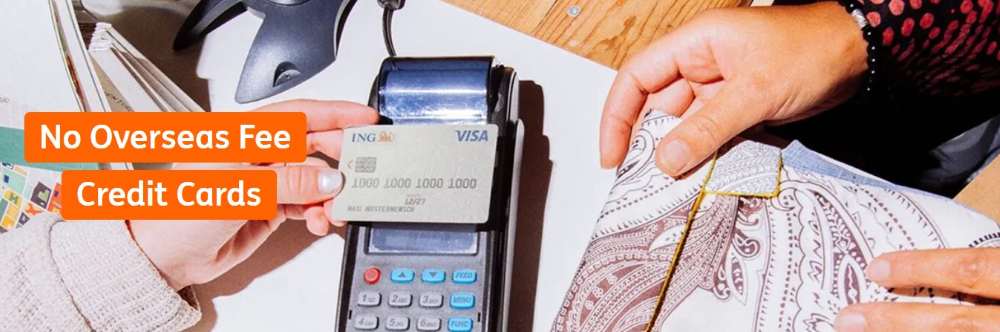
To avoid these unnecessary costs, investigate your banking products before your departure date. Look for credit cards specifically designed for international travel that waive these common surcharges entirely. If you want to understand your current fee structure or upgrade to a better product, you should contact ING to explore their no-overseas-fee credit card options. Asking your bank the right questions ensures you will not be caught off guard by compounding transaction costs while trying to relax on your trip.
One common trap for international travellers is dynamic currency conversion. When you use your card at a foreign restaurant or retail store, the payment terminal frequently asks if you want to pay in the local currency or in Australian dollars. While seeing a familiar currency feels convenient, it is an expensive choice.
Opting to pay in your home currency allows the foreign merchant to set the exchange rate, which is almost always worse than the wholesale rate your home financial institution provides. According to NerdWallet, opting to pay in the local currency can prevent hidden currency conversion fees that are charged when you ask for transactions to be presented in Australian dollars, which tacks on an additional markup. Always choose the local currency option to secure a fairer exchange rate.
Protecting your travel funds requires the same discipline as managing your finances at home. Just as you might focus on simple money-saving tips that actually work to achieve long-term financial stability, you need a proactive plan for managing your holiday spending. Building a travel budget is only the first step.
Here are practical strategies to help you avoid bank fees while exploring the globe:
Smart travel finance is all about preparation. Waiting until you are overseas to think about exchange rates leaves you vulnerable to inflated costs. By researching your options in advance, you can apply for better financial products and receive them before departure.
Ultimately, a successful holiday is not just about the destinations you visit or the amazing food you eat. It is also about returning home with your finances completely intact. By choosing the right cards, dodging dynamic currency conversion traps, and maintaining smart budgeting habits, you can stretch your travel dollars further. Spend your money on memorable experiences, not on easily avoidable banking fees.

© 2025 Crivva - Hosted by Airy Hosting Managed Website Hosting.