


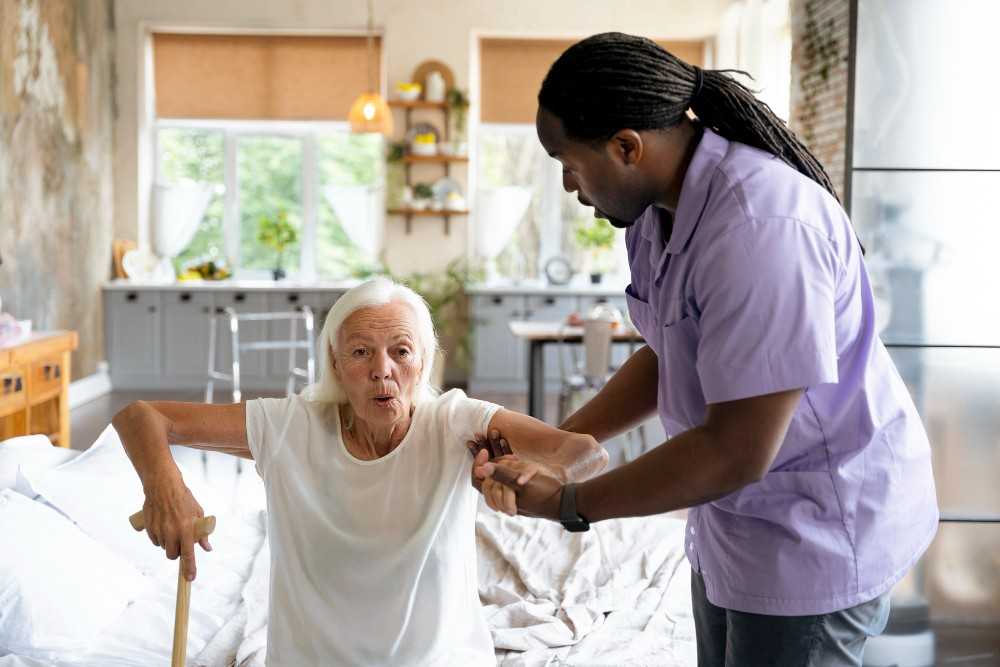
Most people want to stay in their own homes as they get older. It feels comfortable, familiar, and empowering. But as the body changes with age, even a well-loved home can start to feel unsafe. Slippery floors, steep staircases, and narrow doorways become real risks. The good news is that aging in place does not require moving or spending a fortune. With a few smart home modifications, seniors can continue living independently while staying safe and comfortable.
This guide walks you through the most practical changes you can make, room by room.
Falls are one of the leading causes of injury among older adults. According to health experts, most falls happen inside the home. Yet many families wait until after an accident to make changes. That is the wrong approach. Planning ahead is both safer and more affordable. Small adjustments made early can prevent serious injuries, reduce hospital visits, and help seniors maintain their dignity and independence.
Whether you are a senior planning ahead or a family member caring for an aging parent, these modifications are worth every penny.
The bathroom is where most household falls happen. Wet surfaces, limited space, and awkward movements all add up to danger. Fortunately, it is also the easiest room to improve.
Installing handicapped grab bars near the toilet and inside the shower or bathtub is one of the most effective changes you can make. These bars give seniors something sturdy to hold as they sit down, stand up, or step in and out. They should be mounted into wall studs to handle real weight. Do not rely on suction-cup versions as a permanent solution.
A walk-in shower with a no-threshold entry is another excellent upgrade. It removes the need to step over a ledge, which is a common tripping point. Adding a waterproof shower seat allows seniors to bathe comfortably without standing for long periods.
Non-slip mats both inside and outside the shower add another layer of protection. Also consider replacing old faucet knobs with lever-style handles, which are easier to grip with arthritic hands.
If you are planning a broader bathroom modification for disabled family members, look into professional assessment services that can evaluate the space and recommend the right combination of equipment and structural changes.
The kitchen sees heavy daily use, and it presents its own set of hazards. Reaching high shelves, bending down to low cabinets, and standing for long periods are common challenges for seniors.
Pull-out shelves and lazy Susans in lower cabinets reduce the need to bend or reach deep into dark spaces. Relocating frequently used items to counter level or within arm’s reach makes cooking safer and less tiring.
Touchless or lever faucets are helpful here too. Anti-fatigue mats near the sink and stove reduce joint strain. If countertop heights feel too high or too low, adjustable-height options are available for full renovations. For smaller budgets, a height-adjustable work cart can serve as a comfortable prep station.
Ensure the kitchen is well lit. Under-cabinet lighting eliminates shadows and makes it easier to read labels, use knives safely, and check the stove.
Stairs are one of the biggest barriers to aging in place, especially for seniors with limited mobility, joint pain, or balance issues. If the home has multiple floors, getting up and down safely is essential.
One of the most effective solutions is exploring stairlifts installation services in your area. A stairlift is a motorized chair that glides along a rail mounted to the staircase. It allows seniors to travel between floors without any physical exertion or risk of falling. Modern stairlifts are compact, quiet, and designed to fit most staircase styles, including curved and narrow ones. Many families find that installing a stairlift allows an elderly parent to continue using the full home rather than being confined to one floor.
If a stairlift is not an option right away, at minimum ensure that both sides of every staircase have sturdy handrails that run the full length of the stairs. Stair treads with non-slip surfaces add extra grip.
A senior using a walker or wheelchair needs enough space to move freely. Standard doorways can be too narrow. Widening doorways to at least 32 to 36 inches allows for easier passage with mobility aids.
For homes with front steps, adding a gently sloped ramp beside or in place of steps makes entry and exit much safer. Handrails on both sides of any ramp or stairway are a must.
Good lighting throughout hallways and near entryways matters more than most people realize. Motion-activated night lights along nighttime paths, from the bedroom to the bathroom and kitchen, dramatically reduce nighttime fall risk.
Lever-style door handles throughout the home are easier to operate than traditional round knobs, especially for seniors with reduced hand strength.
The bedroom should be a place of rest, not risk. Position the bed at a height that makes it easy to sit down and stand up without straining. Bed rails can provide support when getting in and out of bed during the night.
Keep the floor clear of rugs that can slide or curl. Secured area rugs with non-slip backing are safer if floor coverings are preferred. Place a nightstand within easy reach so medications, glasses, water, and a phone are always accessible without stretching.
A medical alert device or phone within arm’s reach is a smart addition for seniors living alone. In case of a fall, they should be able to call for help quickly.
You do not need to renovate the entire home overnight. Start with the changes that address the most immediate risks, then build from there over time. Grab bars in the bathroom, better lighting in hallways, and a review of staircase safety are great first steps for most homes.
The goal is to create an environment where a senior feels confident, not cautious, moving through their own home. With thoughtful modifications and the right professional help where needed, aging in place is not just possible. It is the smart and dignified choice.

© 2025 Crivva - Hosted by Airy Hosting Managed Website Hosting.