


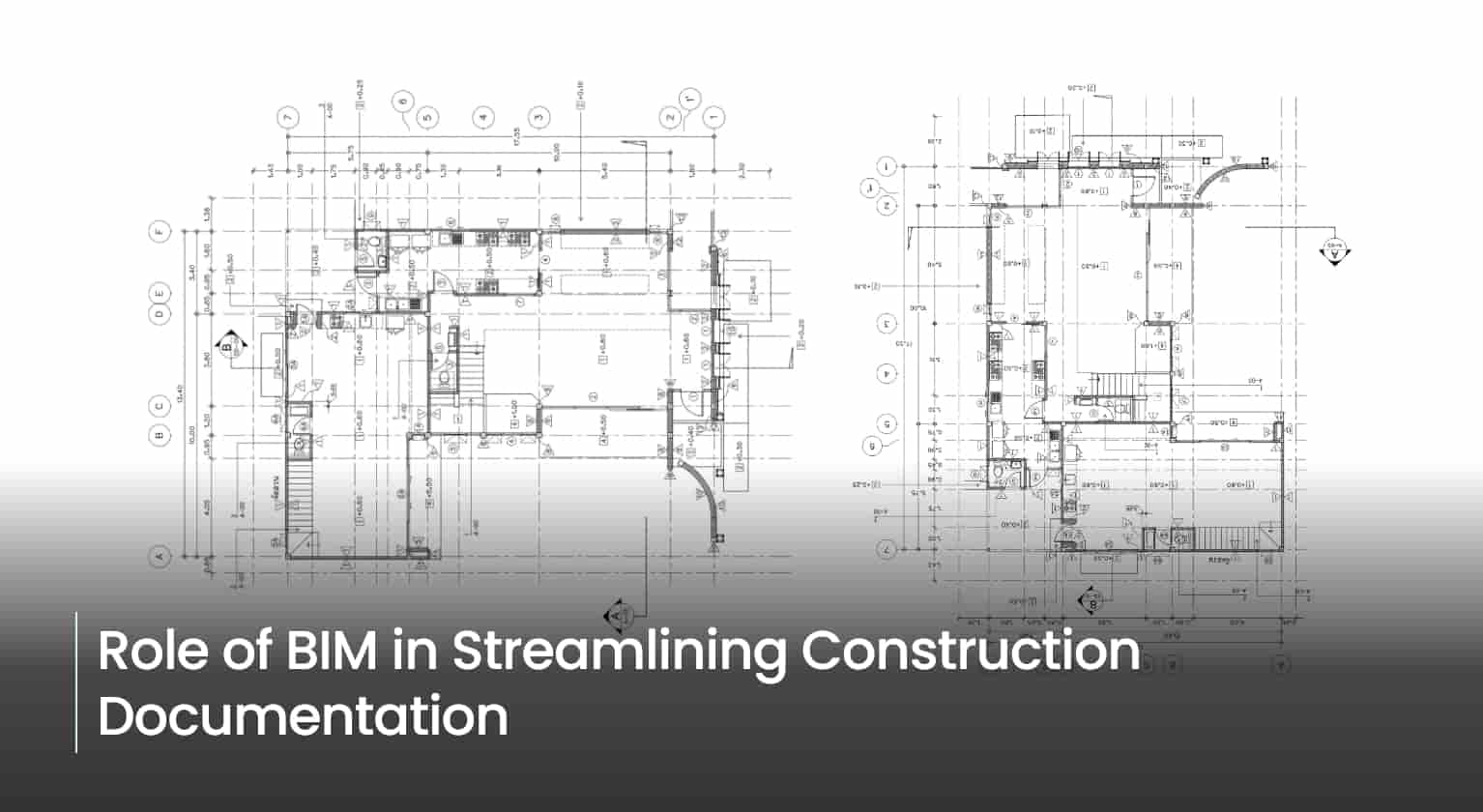
In the field of architecture and construction, having accurate documents is one of the vital parts. Regardless of project type and size, documents entail crucial information that is evident for future reference, such as renovation, remodeling, or refurbishment of the infrastructure. Construction projects are complex, involve multiple stages, various professionals, and more, making it a tedious task to manage every detail. Traditionally, the architectural process was done manually, which was prone to significant errors, lacked information, was time-consuming, and more.
With consistent evolution in the field, BIM has become a game-changer for architects, engineers, and other experts, allowing them to enhance overall project outcomes within budget and time constraints. As a matter of fact, BIM offers a variety of benefits, making the exchange of information easier, enabling accurate performance analysis, and resolving clashes.
While Building Information Modeling offers 3D visualization, along with minor to major details, which help AEC professionals make decisions. Moreover, the BIM 3D model is a common data environment platform where concerned authorities can access the information. Although it is evident that all information, along with graphical records, should be collected for future reference and permits.
When a set of accurate documents of the project is curated, it helps to take various approvals, permits, and other legal processes, which are a significant part of any construction project. As a matter of fact, every minor detail in the architectural project is vital for the facility management of the building. Recording and managing every aspect of the construction project is a pivotal part, considering the long-term approach for accessing key details from one place. This reflects the importance of documentation in the AEC landscape, enabling professionals to have hands-on, accurate detail at the right time. Hence, construction documentation services are not only evident but also a part of the legal process.
Construction documentation entails a variety of approaches and strategic planning for accurate management of documentation. Therefore, BIM in construction documentation is a key role player, enabling professionals to have precise details of projects. Let’s explore in detail digital construction documentation and how building information modeling plays a key role player.
In the landscape of the complex AEC sector, construction documentation (CDs) is the complete set of detailed technical drawings, specifications, and written instructions that translate a building’s design into a precise blueprint for contractors, ensuring everyone understands how to build it correctly, within code, and to the specified quality. These documents act as the project’s roadmap, guiding everything from bidding and permitting to the actual construction, and are vital for coordination, preventing disputes, and achieving the final vision within the budget and ensuring the material usage.
Key Components of Construction Documents
These are the major components of architectural documents that help with obtaining permits, navigating legal processes, managing facilities, planning future renovations, and more. Moreover, BIM helps maintain change history, enabling modification tracking, version control, and other advantages that underscore its importance in the construction documentation process. The following are the key factors that depict the importance of the documentation,
Building Information Modeling (BIM) streamlines construction documentation by creating a central, intelligent digital model that links all project data, enabling enhanced collaboration, real-time updates, automated clash detection, accurate quantity takeoffs, and clear visualization, which reduces errors, saves time and costs, and improves overall project efficiency from design through facility management. Following the key roles of BIM in documentation.
As discussed briefly, architectural documentation services are a collection of digital information, including files, models, and relevant information. This set of detailed documents also describes functional and physical characteristics of the infrastructure that help to attain the legal permission process and other permits.
By centralizing information and automating many documentation tasks, BIM transforms construction documentation from static drawings into dynamic, intelligent models, resulting in higher quality, greater efficiency, and lower costs. Nonetheless, BIM is one of the comprehensive technologies that allow architects, engineers, designers, and other collaborators to stay informed and coordinated throughout the architecture project.
With help from 3D BIM modeling services, construction documentation services ensure seamless collaboration between all the AEC professionals. As a matter of fact, architectural construction documentation is a key feature that details every element of the infrastructure.
Construction documentation services transform project management with massive amounts of information. This set of detailed documents plays a crucial role in allowing AEC professionals to stay informed with updated information and help in gaining permissions.

© 2025 Crivva - Hosted by Airy Hosting Managed Website Hosting.