

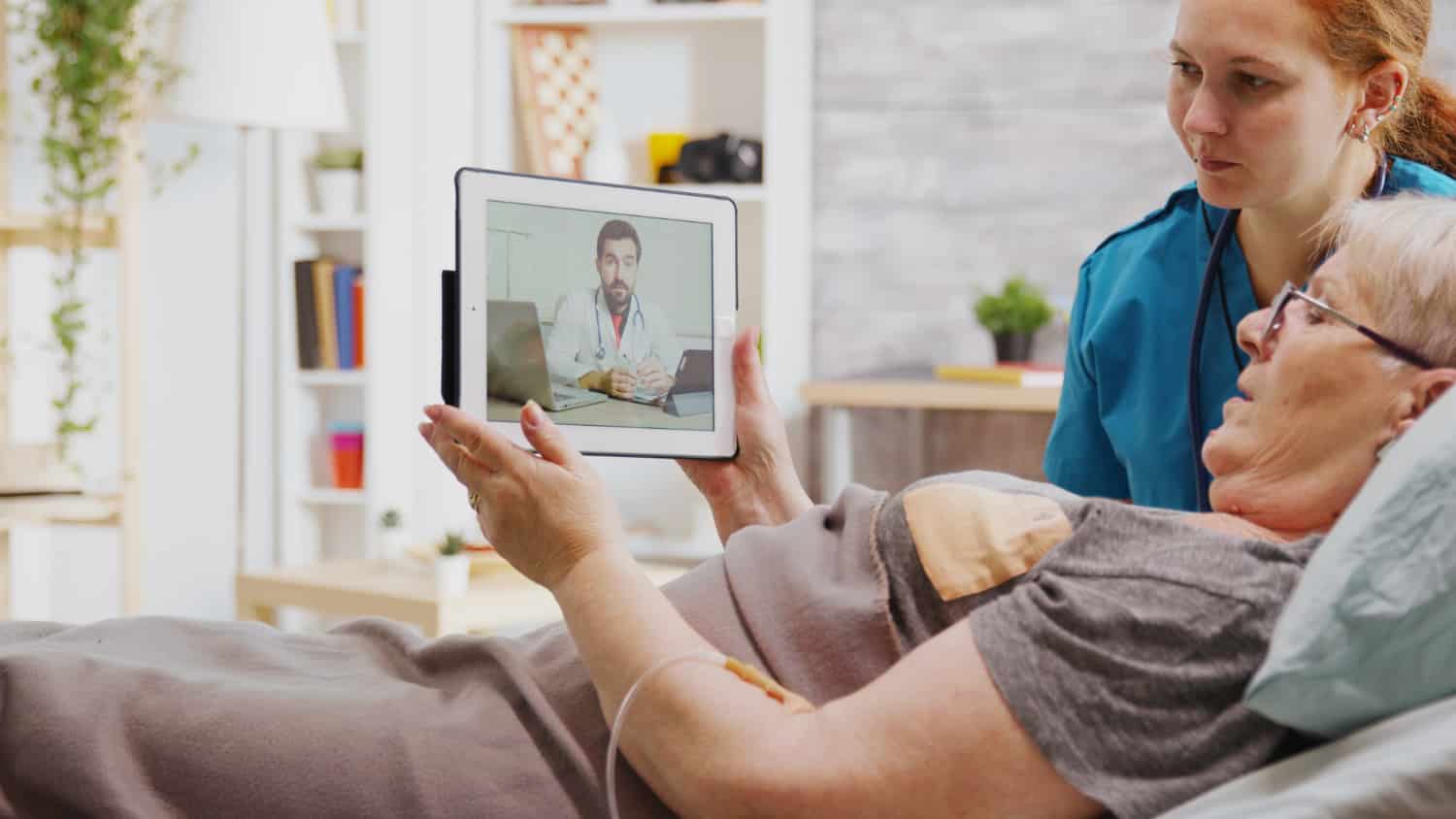
As healthcare shifts toward more proactive and patient-centered care, technology plays a vital role in improving outcomes and efficiency. Healthcare remote patient monitoring (RPM) is one of the most impactful innovations in modern healthcare. It allows providers to monitor patients’ vital signs and health metrics in real time, outside of traditional clinical settings, ensuring timely interventions and improved care.
Remote patient monitoring is especially critical for patients with chronic conditions such as diabetes, heart disease, COPD, and hypertension. By leveraging connected devices, mobile apps, and secure data platforms, healthcare organizations can deliver continuous care, reduce hospitalizations, and enhance overall patient engagement.
Healthcare remote patient monitoring is a technology-driven approach that allows medical professionals to track patients’ health data from a distance. Patients use devices like blood pressure monitors, glucose meters, pulse oximeters, or wearable sensors that transmit information to their healthcare team.
RPM enables real-time monitoring, automated alerts, and actionable insights, helping providers detect early warning signs of deterioration and intervene before complications arise. This approach reduces the need for frequent in-person visits and allows patients to manage their health more effectively at home.
Chronic conditions require continuous oversight, and gaps in monitoring can lead to hospital readmissions, worsening symptoms, or costly emergency care. Healthcare remote patient monitoring addresses these challenges by providing:
Continuous Data Tracking: Vital signs and health metrics are monitored in real time, ensuring that any concerning trends are detected promptly.
Proactive Interventions: Providers can intervene early when abnormalities are detected, reducing the risk of complications.
Patient Engagement: RPM empowers patients to actively participate in their care and follow treatment plans more effectively.
Efficiency: By reducing unnecessary in-person visits, RPM allows providers to focus resources on patients who need urgent care.
Modern RPM platforms include a variety of features designed to streamline care:
1. Device Integration: Seamless connection with medical devices like blood pressure cuffs, glucose monitors, and pulse oximeters.
2. Real-Time Data Transmission: Health data is automatically uploaded to a secure platform accessible to providers.
3. Alerts and Notifications: Automated alerts notify providers of abnormal readings or trends requiring attention.
4. Patient Engagement Tools: Mobile apps, reminders, and educational resources help patients adhere to treatment plans.
5. Reporting and Analytics: Providers can review patient trends, population health metrics, and outcomes to make data-driven decisions.
Healthcare remote patient monitoring offers numerous advantages to patients:
Improved Health Outcomes: Early detection of issues prevents complications and reduces hospitalizations.
Convenience: Patients can monitor their health from home, reducing the need for frequent clinic visits.
Empowered Care: Access to real-time health data and educational resources encourages active participation in personal health management.
Peace of Mind: Continuous monitoring and timely interventions provide reassurance for both patients and caregivers.
Providers also benefit significantly from RPM:
Better Care Coordination: Centralized data ensures all members of the care team have access to accurate, up-to-date information.
Enhanced Efficiency: Automated monitoring and alerts reduce manual tasks and allow staff to focus on critical patients.
Compliance and Reporting: RPM platforms help document patient data and support billing for remote monitoring services.
Reduced Hospital Readmissions: Continuous monitoring and early interventions lead to fewer emergency visits and lower overall healthcare costs.
Chronic disease management requires consistent attention to vital signs, medication adherence, and lifestyle adjustments. Remote patient monitoring ensures that providers can track these metrics continuously, enabling proactive interventions and tailored care plans.
For example, a patient with heart failure can have weight, blood pressure, and heart rate monitored remotely. If readings indicate fluid retention or abnormal heart rates, the provider can intervene immediately, preventing hospitalization and improving outcomes.
Healthcare remote patient monitoring relies on secure and interoperable technology. Modern RPM platforms integrate with electronic health records (EHR) and telehealth systems, allowing providers to access patient data in one place.
Data analytics and AI-enabled insights enhance decision-making, predict risks, and prioritize care for high-risk patients. Security measures ensure compliance with HIPAA and other regulations, protecting sensitive patient information.
Healthcare organizations looking to implement RPM should consider several factors:
Device Compatibility: Supports a wide range of patient monitoring devices.
Ease of Use: Simple for both patients and providers to adopt.
Data Security: Compliant with HIPAA and other regulations.
Integration: Works seamlessly with existing EHR and telehealth platforms.
Scalability: Can grow with patient volume and clinical needs.
Selecting the right solution ensures effective monitoring, improved patient outcomes, and smooth adoption by both staff and patients.
The future of RPM includes greater integration with AI, predictive analytics, and personalized patient care. Wearable devices will become more sophisticated, collecting continuous health metrics with minimal effort from patients.
Healthcare organizations that adopt RPM solutions early will benefit from improved patient outcomes, lower costs, and enhanced operational efficiency. Remote monitoring is rapidly becoming a cornerstone of modern, patient-centered healthcare.
Healthcare remote patient monitoring also plays a vital role in post-acute and transitional care. After hospital discharge, patients are often vulnerable to complications that can lead to readmissions. RPM ensures continuity of care by allowing providers to track recovery progress, monitor vital signs, and identify warning signals early. This consistent oversight supports smoother transitions from hospital to home, improves recovery outcomes, and reduces unnecessary emergency visits.
In addition, remote patient monitoring strengthens patient–provider relationships through ongoing communication and trust. Regular data sharing and virtual touchpoints help patients feel supported even outside clinical settings. Providers gain deeper insights into patient behaviors, lifestyle patterns, and adherence challenges, enabling more personalized care strategies. Over time, this continuous engagement leads to better long-term outcomes, higher patient satisfaction, and a more proactive healthcare experience.
Healthcare remote patient monitoring is transforming the management of chronic diseases and long-term patient care. By providing continuous oversight, real-time alerts, patient engagement tools, and data-driven insights, RPM helps providers deliver proactive, personalized, and efficient care.
For patients, it offers convenience, peace of mind, and better health outcomes. For providers, it improves workflow efficiency, enhances care coordination, and reduces hospital readmissions. As healthcare continues to embrace technology, remote patient monitoring will remain an essential tool for modern, value-driven care.

© 2025 Crivva - Hosted by Airy Hosting Managed Website Hosting.