

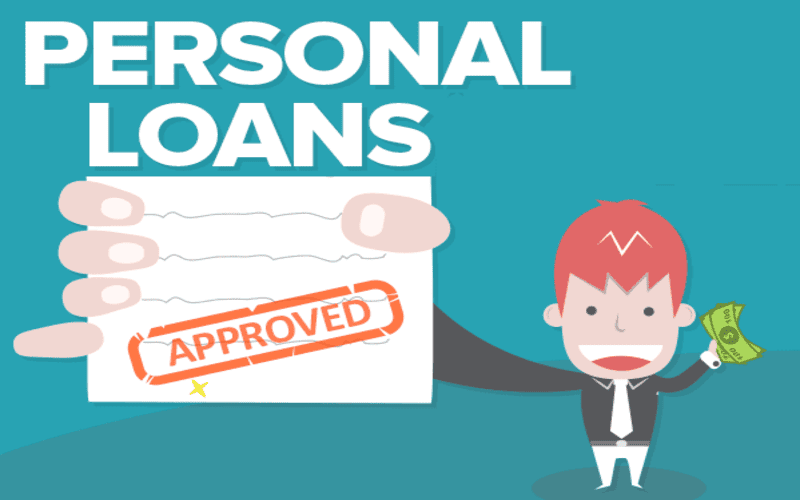
Personal loans are one of the most sought-after financial products for individuals who require funds for immediate expenditures, whether for medical emergencies, marriages, education, travel, or even debt consolidation. Delving deeper into personal loan interest rates and learning how they impact your EMI (Equated Monthly Installment) can help borrowers make informed decisions.
Let’s explore personal loan interest rates in India and the major factors that impact your EMI.
Personal loan interest rates refer to the percentage charged by banks, Non-Banking Financial Companies (NBFCs), and other lenders when borrowing funds. Interest rates can vary significantly depending on the borrower’s credit profile, lender policies, and market conditions. Generally, personal loans are unsecured, meaning you don’t need to pledge collateral, making the interest rates relatively higher than other loans like home or car loans.
Interest rates for personal loans in India typically range between 9% and 24% per annum, but this range varies depending on the lender, loan amount, and the borrower’s eligibility criteria.
Before applying for a personal loan, it’s essential to understand the different types of interest rates lenders may offer.
Fixed interest rates remain constant throughout the loan tenure. This means your EMI stays the same, making it easier to plan and budget your repayments. However, fixed interest rates tend to be slightly higher than floating interest rates to account for inflation and market fluctuations.
Floating interest rates fluctuate based on market conditions, such as changes in the Reserve Bank of India’s (RBI) benchmark rates. This means your EMI amount may vary during the loan tenure. If the market rates go down, you could benefit from paying less interest; however, if rates increase, your EMI could become higher.
Lenders consider a variety of factors before deciding the interest rate applicable to your personal loan. Understanding these factors gives borrowers an advantage when negotiating loan terms.
Your credit score holds immense importance in determining the interest rate for your personal loan. A higher credit score (typically above 750) demonstrates that you are a creditworthy borrower, lowering the lender’s risk. Borrowers with high credit scores are more likely to receive loans at competitive interest rates. On the other hand, a low credit score may lead to higher interest rates or even loan rejection altogether.
The loan amount you apply for can impact the interest rate. If you are applying for a relatively small loan, like a ₹25,000 personal loan, lenders may offer slightly higher interest rates compared to larger loan amounts due to administrative costs and the risk involved. However, this varies across different lenders.
Lenders assess your income level and stability to gauge your repayment ability. Borrowers with a high and steady income are likely to secure loans at lower interest rates. On the other hand, if you are self-employed or have irregular income, lenders perceive you as a higher risk and might charge higher interest rates or restrict loan eligibility.
If you have multiple ongoing loans or high credit utilization, lenders may perceive you as financially overburdened. This can drive up the interest rates when applying for a new personal loan. Ideally, maintaining a manageable debt-to-income ratio is crucial for securing loans at favorable rates.
The loan tenure, or repayment period, also influences your interest rates. While opting for a longer loan tenure can reduce the monthly EMI burden, it usually results in higher overall interest payouts. Conversely, a shorter tenure might help you secure lower rates, reducing the total cost of borrowing.
Different lenders have varying policies regarding personal loan interest rates. Banks, NBFCs, and digital lenders follow distinct criteria when determining the rates. While traditional banks may offer lower interest rates to existing customers with a stable credit history, fintech lenders might provide pre-approved offers for small loan amounts, such as a ₹25,000 personal loan, albeit at slightly higher rates.
External factors like inflation and RBI policy rates play a vital role in determining personal loan interest rates. If the RBI increases repo rates (the rate at which banks borrow money from RBI), it leads to higher lending rates across all loan products, including personal loans. On the contrary, a decrease in repo rates translates to reduced borrowing costs for customers.
The interest rate directly influences the EMI for a personal loan. EMI consists of two components—the principal repayment and the interest charged by the lender. Higher interest rates lead to higher EMI amounts, while lower interest rates lower your monthly repayment burden.
EMI = [P × R × (1 + R)^N] / [(1 + R)^N – 1]
Where:
For instance, if you opt for a ₹25,000 personal loan at an interest rate of 12% per annum for a tenure of 1 year, the EMI will be around ₹2,219. However, if the interest rate is 18% per annum, the EMI may increase to approximately ₹2,297, demonstrating the significant impact of higher interest rates on your monthly budget.
Borrowers can take several proactive steps to secure favorable interest rates.
Check your credit report and identify any discrepancies or unpaid dues. Pay all your bills on time and maintain a low credit utilization ratio. Over time, your score will improve, making you eligible for lower interest rates.
Research and compare the interest rates offered by different lenders before applying for a personal loan. Use online tools like loan comparison portals to evaluate options based on your loan amount, tenure, and credit profile.
If you have an existing account or loan with a bank, they may offer preferential interest rates on personal loans due to your established relationship and repayment history.
Though longer loan tenures reduce EMI amounts, they increase the cost of borrowing. Opting for a shorter tenure might secure lower interest rates and reduce overall interest payments.
If you have a strong credit record and stable income, you can negotiate for better interest rates with your lender. Some lenders may provide customized offers if you inquire directly.
Many banks and NBFCs offer pre-approved loan offers for existing customers with commendable credit profiles. These loans typically come with lower interest rates and simplified application processes.
Personal loans are a convenient and versatile financial tool that can help you meet various needs. However, understanding personal loan interest rates is essential to avoid excessive financial burdens and effectively manage your repayments.
EMI depends heavily on the interest rate, loan amount, and tenure. Opt for interest rates that align with your repayment capacity and ensure you meet eligibility criteria such as maintaining a healthy credit score and stable income. If you’re looking for smaller amounts like a ₹25,000 personal loan, explore multiple lenders to secure the best rate while managing short-term financial needs.
By improving your financial profile, comparing options, and negotiating with lenders, you can secure a personal loan with favorable terms. Whether you need funds for planned expenditures or emergencies, being informed about interest rates and their impact enables you to make sound borrowing decisions.

© 2025 Crivva - Hosted by Airy Hosting Managed Website Hosting.