


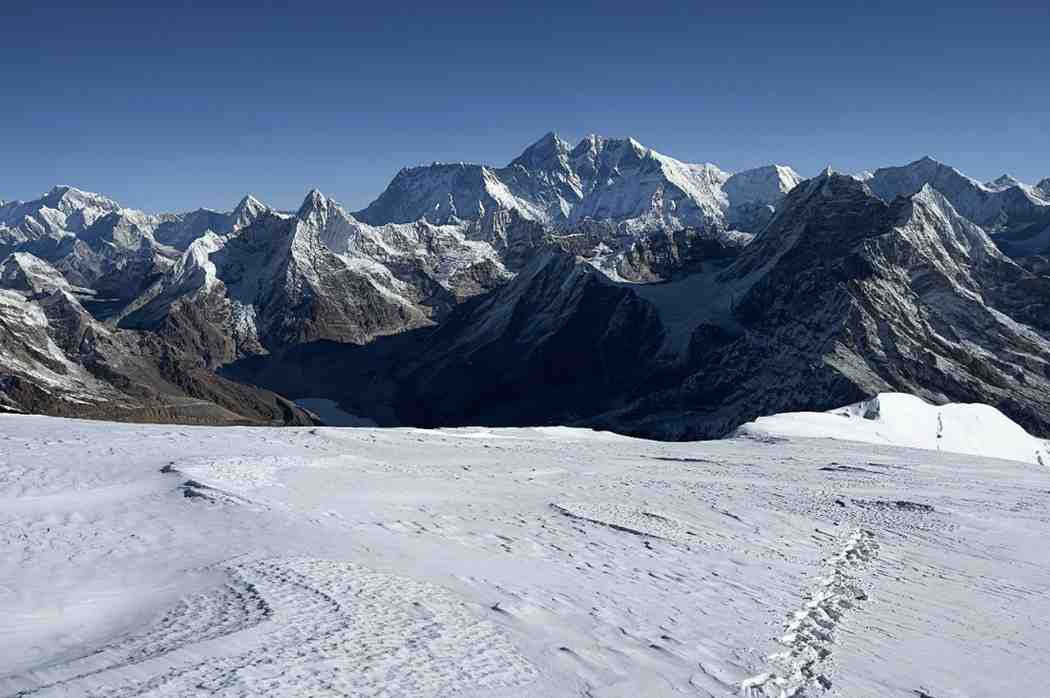
Climbing a mountain is more than just walking up a slope—it is about challenging yourself, feeling alive, and seeing the world from a completely new perspective. Peak climbing in Nepal offers this and much more. The towering Himalayan peaks are a playground for adventurers, trekkers, and climbers from around the world. Every mountain is a story, a challenge, and a journey that tests your strength, patience, and courage.
Nepal is home to the world’s highest peaks, including Everest, Annapurna, and Manaslu. But beyond these famous summits, countless other mountains offer thrilling experiences for climbers of all levels. From steep ridges to icy slopes, from quiet villages to bustling base camps, Nepal’s peaks offer an unforgettable adventure.
What makes climbing in Nepal unique is the combination of natural beauty and cultural experience. Each climb offers spectacular views of snow-capped mountains, glaciers, and deep valleys. The journey takes you through forests, rivers, and traditional Sherpa villages. You see the Himalayan way of life, monasteries, and prayer flags fluttering in the wind.
Peak climbing in Nepal is not just about reaching the summit. It is about the journey itself. Every step, every camp, and every interaction with locals teaches you something new. The mountains are tough, but the experiences are rewarding. Climbers leave Nepal with memories that last a lifetime.
Nepal has peaks for all levels of experience. Some of the most popular include:
Island Peak (6,189 m): Ideal for beginner climbers looking for their first Himalayan summit.
Mera Peak (6,476 m): Offers stunning views of Everest, Lhotse, and Makalu.
Baruntse (7,129 m): A challenging peak for experienced climbers seeking a true mountaineering adventure.
Lobuche Peak (6,119 m): Famous for its dramatic ridges and panoramic views of the Khumbu region.
Each peak has its own personality, challenges, and rewards. Choosing the right one depends on your experience, fitness, and goals.
Before climbers reach the summit, they must trek to the base camp. This part of the journey is as important as the climb itself. The trek allows climbers to acclimatize to high altitudes and prepare physically for the ascent.
The trek usually passes through picturesque valleys, dense forests, and traditional villages. Trekkers get a chance to experience Nepali culture, taste local food, and interact with friendly Sherpa people. Every stop offers a new view, a new story, and a new challenge.
Trek Statistics for Typical Himalayan Peaks:
Average Length: 15–25 days (depending on the peak)
Total Distance Covered: 120–180 km
Maximum Elevation: 6,000–7,500 meters (depending on the summit)
Climbing in Nepal is not easy. Physical fitness is essential, as well as mental readiness. Many climbers train for months with cardio, strength exercises, and smaller climbs to prepare their bodies for the harsh conditions.
Proper gear is crucial. This includes insulated jackets, boots, crampons, ice axes, ropes, gloves, and climbing harnesses. Safety should always come first. Hiring an experienced guide or joining a reputable expedition company ensures that climbers navigate the mountain safely and successfully.
Nutrition and hydration are also vital. High-altitude climbing burns more calories, so climbers must eat enough and drink plenty of water. Proper preparation increases the chance of reaching the summit safely and enjoying the journey.
Peak climbing in Nepal comes with many challenges. The mountains are steep, icy, and unpredictable. Weather can change suddenly, with strong winds, snowstorms, and freezing temperatures. Thin air at high altitude makes every step harder. Climbers must pace themselves, follow safety protocols, and work together as a team.
Altitude sickness is a real risk. Proper acclimatization and careful monitoring of symptoms are essential. Rushing or ignoring warning signs can be dangerous. Each challenge, however, is part of the adventure. Every step forward is a step toward personal growth and the thrill of summiting a Himalayan peak.
Standing on a summit is unlike anything else in the world. The view stretches across hundreds of kilometers of mountains, valleys, and glaciers. The feeling is a mix of joy, relief, and pride. It is the reward for months of training, days of trekking, and hours of climbing.
The summit is more than a physical achievement—it is a moment of reflection and connection. You feel the power of the mountains, the vastness of nature, and the strength within yourself. This is why climbers return to Nepal, peak after peak, always seeking that unforgettable feeling.
Climbing in Nepal is also about connecting with the local culture. The trails pass through Sherpa villages where climbers can witness traditional homes, monasteries, and prayer flags. Trekkers often visit local schools, interact with villagers, and learn about Sherpa life.
These experiences make the climb richer and more meaningful. They remind climbers that the Himalayas are not just natural wonders but also homes to resilient communities. Respecting local traditions and helping preserve the environment is part of being a responsible climber.
If you love adventure, nature, and pushing your limits, Nepal is the ultimate destination. Peak climbing in Nepal combines physical challenges, cultural experiences, and breathtaking scenery. It teaches patience, perseverance, and teamwork.
Every expedition is unique, filled with stories of struggle, triumph, and unforgettable moments. Whether you are a beginner looking for your first Himalayan climb or an experienced mountaineer aiming for a challenging summit, Nepal’s peaks have something to offer everyone.
The Baruntse Expedition, Island Peak, and Mera Peak are just examples of the incredible mountains waiting to test your limits and reward your determination. Each journey teaches lessons that go beyond mountaineering—they are lessons about life, courage, and the beauty of the world around us.
In Conclusion
Peak climbing in Nepal is more than a sport—it is a life-changing adventure. It challenges your body, mind, and spirit. It connects you to nature, culture, and a sense of accomplishment like no other. Every trek, every climb, and every summit is a story you will carry forever.
If you are ready to test your limits and conquer your dreams, the Himalayas are waiting. Nepal’s mountains are calling. Will you answer?

© 2025 Crivva - Hosted by Airy Hosting Managed Website Hosting.