

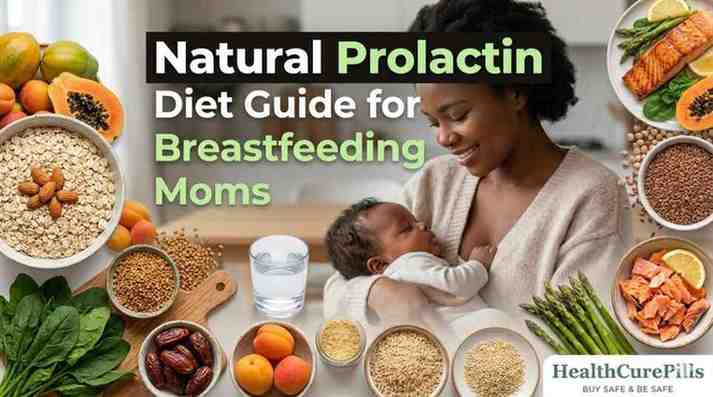
If you are a new mother struggling with low milk supply, understanding the role of prolactin — the primary hormone that drives breast milk production — can be a game changer. Rather than turning immediately to medications, many women find that strategic dietary choices can make a meaningful difference in supporting their prolactin levels and improving lactation.
This guide covers everything you need to know about natural ways to increase prolactin through food, lifestyle choices, and informed supplementation.
Prolactin is released by the pituitary gland in response to nipple stimulation during breastfeeding. The more frequently you nurse or pump, the more prolactin your body produces — this is the basic supply-and-demand cycle of lactation. However, your prolactin levels are also influenced by your diet, hormone balance, stress levels, and sleep patterns.
When prolactin levels drop, milk production can decline rapidly. Fortunately, several dietary strategies can help maintain and even raise these levels naturally.
Phytoestrogens are naturally occurring plant compounds that mimic the activity of estrogen in the body. Since estrogen plays a role in regulating prolactin production, consuming foods rich in phytoestrogens can indirectly support milk supply.
Common phytoestrogen-rich foods include soybeans, lentils, chickpeas, flaxseeds, sesame seeds, oats, barley, apples, and berries. These foods not only help in hormonal balance but also provide fiber, vitamins, and antioxidants that promote overall health.
Including a variety of these foods in daily meals can help create a supportive environment for prolactin production. For example, adding flaxseeds to breakfast, incorporating legumes into lunch, or snacking on fruits like apples and berries can make a noticeable difference over time.
Galactagogues are substances that help stimulate milk production. Many herbs and seeds have been traditionally used across cultures to support lactation, and some have scientific evidence backing their effectiveness.
Fenugreek is one of the most widely recognized galactagogues. It has been studied for its ability to increase milk production by enhancing prolactin levels. Other beneficial herbs include fennel, milk thistle, blessed thistle, and moringa.
These herbs can be consumed in various forms, such as teas, powders, capsules, or as part of meals. For instance, fennel tea is commonly used to aid digestion and promote milk flow, while moringa leaves can be added to soups or curries for a nutritional boost.
While these natural remedies are generally safe, it is important to use them in moderation and consult a healthcare provider if there are any underlying health conditions.
Protein is essential for tissue repair, hormone production, and overall recovery after childbirth. It also plays a direct role in the synthesis of breast milk, making it a crucial component of a lactation-supportive diet.
High-quality protein sources include lean meats, fish, eggs, dairy products, legumes, and nuts. These foods provide amino acids that are necessary for the production of hormones, including prolactin.
For vegetarian or vegan mothers, plant-based proteins such as lentils, chickpeas, tofu, and quinoa can effectively meet daily protein requirements. Combining different protein sources throughout the day ensures a complete amino acid profile.
Ensuring adequate protein intake not only supports milk production but also helps maintain energy levels and promotes overall well-being during the postpartum period.
Iron deficiency is common among postpartum women, particularly due to blood loss during delivery. Low iron levels can lead to fatigue, weakness, and reduced milk supply, making it important to replenish iron stores through diet.
Iron-rich foods include spinach, lentils, red meat, pumpkin seeds, and fortified grains. These foods help improve energy levels and support the body’s ability to regulate hormones effectively.
To enhance iron absorption, it is beneficial to pair iron-rich foods with sources of vitamin C, such as citrus fruits, tomatoes, and bell peppers. For example, adding lemon juice to a spinach dish or including a side of fruit with meals can significantly improve nutrient uptake.
Maintaining healthy iron levels contributes to better overall health and supports consistent milk production.
Diet is just one piece of the puzzle. Here are additional habits that support prolactin production:
Nurse or pump frequently: The single most effective way to maintain prolactin levels is consistent, frequent milk removal. Aim to nurse or pump every 2 to 3 hours, especially in the early weeks.
Prioritize sleep: Prolactin levels are naturally highest during sleep. Even short naps can help your body reset and replenish this crucial hormone.
Reduce stress: Chronic stress elevates cortisol, which can interfere with prolactin secretion. Incorporate relaxation techniques such as deep breathing, gentle yoga, or mindfulness meditation into your routine.
Stay hydrated: Breast milk is mostly water. Drink at least 8 to 10 glasses of water per day to support milk production and overall health.
There are situations where dietary changes alone may not be sufficient to resolve low prolactin or low milk supply. These include underlying hormonal conditions, pituitary disorders, or postpartum complications. In such cases, medical guidance is essential.
For mothers looking for trusted, affordable healthcare support, Health Cure Pills offers a comprehensive range of generic medicines covering women’s health, hormonal conditions, infertility, and more — all delivered to your doorstep with a 100% genuine product guarantee.
Breakfast: Oatmeal topped with ground flaxseeds, blueberries, and a sprinkle of fenugreek powder. A glass of warm fennel tea on the side.
Lunch: Brown rice with chickpea curry, sauteed spinach with garlic, and sliced papaya for dessert.
Snack: A handful of dried apricots and dates with a small serving of hummus and whole-grain crackers.
Dinner: Grilled fish or lentil soup with steamed asparagus, a side salad with sesame seeds, and warm barley bread.
Boosting prolactin naturally is achievable through a well-planned, nutrient-rich diet and healthy lifestyle habits. Understanding which foods increase prolactin levels gives you the power to support your milk supply and your baby’s nutrition actively.
Remember to consult your doctor or a certified lactation consultant if you experience persistent challenges with milk supply, as personalized medical advice is always the safest approach.

© 2025 Crivva - Hosted by Airy Hosting Managed Website Hosting.