

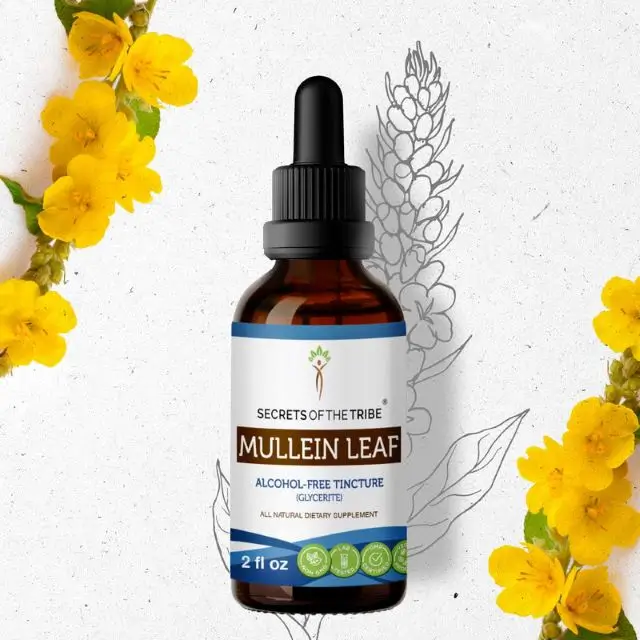
Mullein Leaf vs Mullein Root vs Mullein Flower sounds like a simple plant-parts comparison. It is not. These three materials come from the same species, usually Verbascum thapsus, but they play very different roles in herbal practice, product formulation, and consumer expectations. That is where confusion starts. Many shoppers assume “mullein is mullein.” In reality, leaf, root, and flower differ in tradition, texture, chemistry, evidence level, and how confidently you can talk about them.
If you want the fast answer, here it is. Leaf is the part most people know from teas and respiratory-support products. Flower has the clearest formal herbal monograph history in Europe for traditional use in sore throat linked with dry cough and cold. Root is the outlier. It has folk use and strong herbal-interest appeal, but much less formal modern guidance. Same plant. Different story.
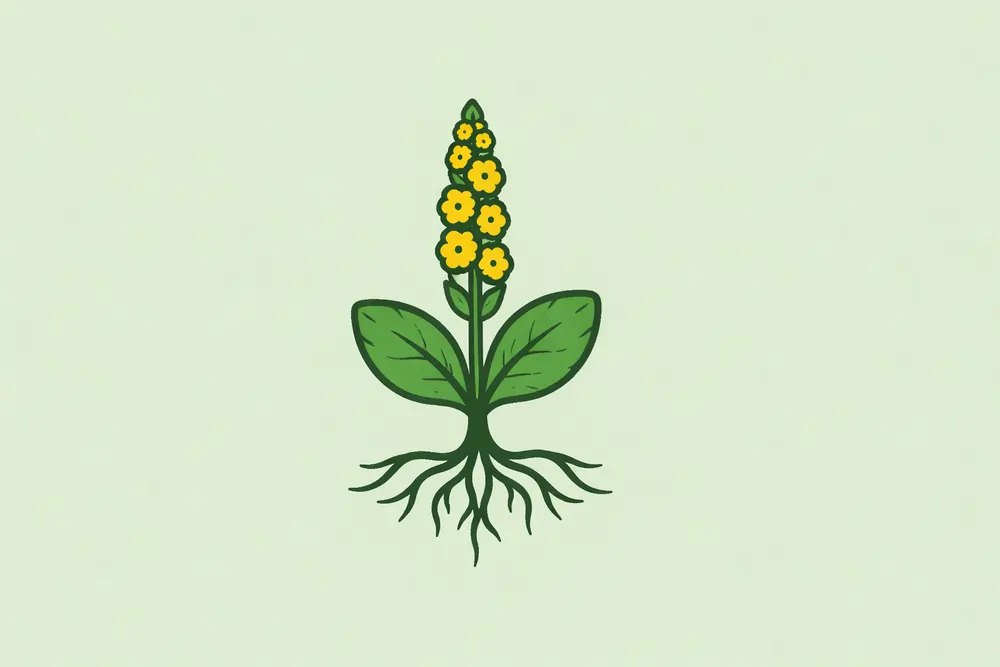
Plant part matters because herbs are not chemically uniform from top to bottom. Leaves, flowers, and roots develop for different jobs. That changes fiber, mucilage, polyphenols, glycosides, aroma, handling, and product fit. In practice, the part often tells you more than the plant name alone.
Mullein is a biennial. In year one, it forms a low rosette of soft, fuzzy leaves. In year two, it sends up a tall flowering stalk with yellow blossoms. The root anchors the plant and stores energy. That growth pattern already hints at function. Leaf and flower are the most visible commercial parts. Root is more niche.
The genus Verbascum includes more than 300 species. Also, the European Medicines Agency monograph focuses on mullein flower, not root, and recognizes only traditional use rather than modern clinical proof. That distinction matters when you write content, label products, or compare formulas.
Mullein leaf is best known as the everyday herbalist’s mullein. It is the part most commonly sold for tea, capsules, powders, and tinctures. When people picture mullein, they usually picture the soft gray-green leaf.
Leaf sits closest to mainstream wellness use. In herbal commerce, it is often chosen for loose-leaf tea, respiratory comfort blends, and simple single-herb tinctures. Traditional use connects it with the throat, chest, and general airway comfort. The leaf is also the part most often discussed when people mention “mullein tea.”
From a user-experience angle, leaf has one important issue: the tiny hairs. Mullein leaves are famously fuzzy. Those hairs can be mechanically irritating if a tea is not filtered well. That is why careful straining is not a minor detail. It is basic handling.
Professionally, this is where many weak articles fail. They talk about “lung support” but ignore form. A poorly strained mullein leaf tea and a well-filtered extract are not the same user experience. Good content should say that plainly.
Leaf is usually positioned as the broadest and most approachable mullein part. It fits “daily herbal tea” language better than root. It also feels more familiar to beginners than flower-only products. However, the evidence story is still modest. Traditional use is stronger than human clinical data. So the right tone is measured, not hype-heavy.
Mullein flower is the most formally defined part in modern European herbal regulation. That alone makes it different.
The flower is smaller, more delicate, and less bulky than the leaf. It is also the part with the clearest official herbal monograph pathway. The European Medicines Agency describes mullein flower as a traditional herbal medicinal product used to relieve symptoms of sore throat associated with dry cough and cold. That is not the same as saying it has strong modern clinical proof. It means the use is accepted on the basis of long-standing traditional use.
That distinction gives flower a different credibility profile. If you want the mullein part with the neatest regulatory paper trail, flower wins. If you want the mullein part most consumers already recognize, leaf usually wins.
Flower brings softer marketing language and stronger traditional monograph support. It is also associated with key constituents discussed in the herbal literature, including iridoid glycosides, flavonoids, saponins, and polysaccharides. In practical terms, flower often appears in more refined herbal products, especially where a brand wants a cleaner story and tighter traditional-use framing.
| Plant Part | Most Common Identity | Typical Product Forms | Evidence Position | Best Content Angle |
|---|---|---|---|---|
| Mullein Leaf | Mainstream mullein part | Tea, tincture, capsules, powders | Traditional use, limited human data | Daily-use herb, handling and straining matter |
| Mullein Flower | Most formally monographed part | Tea, extracts, infused oils | Traditional use recognized in EU monograph | Better regulatory and monograph story |
| Mullein Root | Niche traditional part | Tinctures, decoctions, specialty formulas | Mostly folk use and secondary literature | Less common, more specialized, lower standardization |
Mullein root fits in as the least standardized and most tradition-driven part of the trio. That does not make it unimportant. It makes it easier to misuse in content.
Root is the part most likely to attract advanced herbal readers, niche wellness brands, and people looking for something beyond the obvious mullein tea narrative. In folk practice, mullein root appears in discussions around musculoskeletal and urinary traditions. Still, this is exactly where careful wording matters. Root has a real traditional identity, but it does not have the same formal modern recognition that flower has in the EMA monograph.
So, if you write about root, do not present it like the best-studied mullein part. It is not. In content strategy terms, root works best when you frame it as a traditional niche part with a thinner evidence base.
Because ecommerce pages flatten complexity. A shopper sees “mullein” and assumes all parts behave the same way. They do not. Root is not just leaf from underground. It enters herbal practice through a different route, with different expectations, and much less standard consumer education.
For beginners, leaf is usually the easiest entry point. Flower is the cleanest choice if you want the best official traditional-use documentation. Root is usually not the first buy unless a person already knows why they want root specifically.
If the goal is a classic mullein tea experience, leaf makes sense. If the goal is a tighter monograph-backed traditional positioning, flower stands out. If the goal is exploring deeper herbal traditions, root becomes relevant. That is the simplest honest framework.
You do not need a lab mindset to understand the big picture. Leaves are fibrous and hairy. Flowers are lighter and more delicate. Roots are denser and less consumer-friendly in simple tea format. The literature on mullein flower points to constituents such as iridoid glycosides, flavonoids, saponins, and polysaccharides. Across the genus, researchers also discuss phenolic compounds like quercetin and related phytochemicals.
Still, chemistry should guide humility, not overclaiming. A plant can have interesting compounds and still lack strong human outcome data for many marketed uses. That is exactly the case with mullein content online. The herb has tradition. The internet often turns tradition into certainty. That leap is where quality drops.
| Feature | Leaf | Flower | Root |
|---|---|---|---|
| Texture | Fuzzy, soft, bulky | Light, delicate | Dense, earthy |
| Main consumer format | Tea and tincture | Tea, extract, infused oil | Tincture and specialty decoction |
| Beginner friendliness | High | Medium to high | Low to medium |
| Need for careful preparation | High, because of hairs | Moderate | Moderate |
| Formal monograph support | Limited | Strongest of the three | Limited |
Use this quick checklist.
Here is the sober answer. Mullein has a long traditional history. It also has interesting phytochemistry. But the modern evidence is uneven. The most official support in Europe centers on mullein flower as a traditional herbal medicinal product for sore throat associated with dry cough and cold. The same EMA material also notes that clinical pharmacology and efficacy data are lacking, and non-clinical safety data are limited.
That is why strong writers separate three levels of confidence:
Statistics and safety block
In the EMA assessment for mullein flower, there were no clinical efficacy data found, no genotoxicity data found, and only one spontaneous suspected adverse-reaction report for a single-ingredient mullein product in the WHO database reviewed up to November 2017. The same report says use is not recommended during pregnancy, lactation, or in children under 12 because safety data are insufficient.
No. They come from the same plant, but they are different plant parts with different textures, traditions, and evidence profiles.
Mullein leaf is the most common tea ingredient. It is widely sold and easy to find.
Mullein flower. It has the clearest traditional-use monograph recognition in Europe.
Yes. Root is more niche, less standardized, and usually discussed in deeper herbal tradition rather than mainstream beginner use.
Yes. The fine hairs on the leaf should be filtered well to reduce irritation risk.
No. Leaf, flower, and root should not be treated as identical ingredients.
Mullein leaf vs mullein root vs mullein flower is not a cosmetic distinction. It changes the tradition, product form, preparation, and evidence story. If you remember one thing, remember this: with mullein, the plant part is the message.

© 2025 Crivva - Hosted by Airy Hosting Managed Website Hosting.