


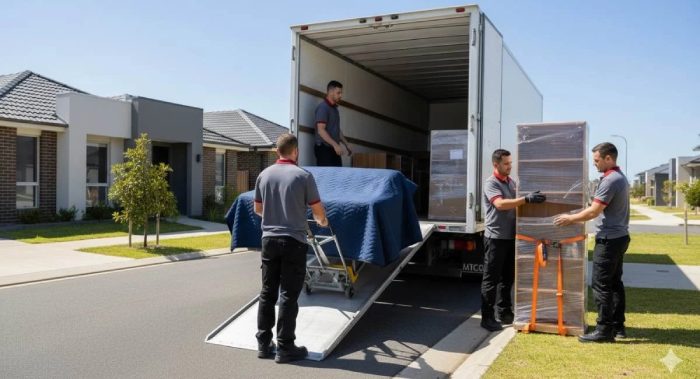
Moving house in Adelaide often costs more than people expect.
Most people plan a budget. Then the quote arrives. Then the final bill climbs.
The problem is not dishonesty. The problem is misunderstanding. Moving costs in Adelaide change based on access, timing, and preparation. Most guides talk in averages. Real moves do not work that way.
This article explains what Adelaide movers actually charge, where costs increase, and how locals reduce bills without cutting corners. The advice comes from analysing hundreds of Adelaide move scenarios across suburbs, property types, and access conditions. The goal is clarity, not promotion.
| Home Type | Typical Crew | Hourly Range | Estimated Total Cost |
|---|---|---|---|
| 1-bedroom apartment | 2 movers | $120–$150 | $400–$650 |
| 2-bedroom apartment | 2 movers | $130–$160 | $500–$800 |
| 3-bedroom house | 3 movers | $180–$220 | $900–$1,500 |
| Large family home | 4 movers | $220–$260 | $1,600+ |
These figures reflect local Adelaide conditions, not national averages.
Most local moves use hourly pricing. The rate depends on crew size and truck type. Two quotes with the same hourly rate can end very differently if one job runs longer.
A moving company in Adelaide usually prices labour, not distance. Travel time, loading speed, and unloading delays decide the final cost more than kilometres.
Property layout matters more than size. A small apartment with stairs can cost more than a house with easy access.
In practice:
North Terrace apartments with lifts often cost less than older walk-ups
Mawson Lakes houses move faster than inner-city terraces
Glenelg properties cost more during peak traffic hours
Takeaway:
Hourly rates matter less than how smoothly the move runs.
Poor access adds time. Time adds cost. This includes:
Stairs without lifts
Long carries from truck to door
Narrow streets with no loading zones
These delays are common in CBD and inner-east suburbs.
Demand sets pricing pressure. End-of-lease weeks, weekends, and school holidays book out fast. Mid-week moves usually cost less because crews have flexibility.
A smaller crew looks cheaper but works slower. A larger crew costs more per hour but finishes earlier. The best option depends on volume and access.
Takeaway:
Most cost increases come from delays, not distance.
Many movers apply minimum hours. If the minimum is four hours and the job takes three, the bill still shows four. This is standard practice, not a trick.
Packing supplies and extra labour add up fast:
Boxes and wrapping cost extra
Furniture dismantling adds time
Waiting for lifts counts as labour
Basic cover is limited and based on weight. Item value often does not matter. Even established operators like Harry The Mover in Adelaide apply standard liability terms that customers need to read before booking.
Takeaway:
Hidden costs come from assumptions, not surprises.
Mid-week moves cost less. Flexible start times help crews schedule jobs efficiently. Early booking gives more choice and avoids peak pricing.
Preparation reduces hours. That reduces cost.
Declutter early
Pack boxes fully
Label clearly
Disconnect appliances
Self-packing saves money for small items. Leave heavy or fragile items to professionals to avoid damage and delays.
Takeaway:
Good preparation saves more than negotiation.
Cheap rates often hide long job times. When comparing movers in Adelaide, focus on scope and clarity, not just price.
Number of movers
Truck size
Minimum hours
What counts as billable time
Vague quotes, verbal estimates, and missing details often lead to higher final bills.
Takeaway:
Clear quotes protect your budget.
Local crews understand parking rules, narrow streets, and suburb layouts. This reduces delays and wasted time.
Ask:
How many movers attend?
What access details matter most?
What increases the final cost?
How damage is handled?
Low prices with unclear scope create risk. Clear expectations keep costs stable.
Takeaway:
Reducing uncertainty reduces cost.
Larger crews and better equipment often finish faster. For bigger homes, speed matters more than hourly rate.
Cheap moves become expensive when:
Trucks are too small
Crews arrive late
Furniture needs reloading
Takeaway:
Efficiency usually costs less overall.
How much does it cost to move a house in Adelaide?
Costs depend on access, volume, and timing. Most 3-bedroom house moves fall between $900 and $1,500 when access is reasonable.
What is the cheapest day to move?
Tuesday to Thursday usually costs less due to lower demand.
Do stairs increase moving costs?
Yes. Stairs increase labour time, which increases cost.
Are boxes included in the quote?
Usually not. Packing materials often cost extra unless stated.
How early should movers be booked?
One to two weeks works for most local moves. Busy periods need earlier booking.
Is self-packing cheaper?
Yes for small items. Professionals suit fragile items better.
Is insurance included automatically?
Basic cover is common but limited. Full insurance usually costs extra.
Author Bio: David
David is a professional packing specialist with hands-on experience working alongside a residential and commercial moving company in South Australia. For years, they have packed, wrapped, labelled, and prepared household goods for local and interstate moves across Adelaide suburbs, apartments, and family homes.
Their work focuses on speed, safety, and damage prevention. They have packed everything from studio apartments to large multi-bedroom houses, including fragile items, heavy furniture, and high-risk belongings. This daily, on-the-job experience gives them a clear understanding of how packing quality affects moving time, labour costs, and damage outcomes.
Rather than working from theory, the author draws insights from real moving days, real delays, and real mistakes people make before movers arrive. Their goal is simple: help readers understand what actually saves time, money, and stress during a move, based on practical experience, not marketing claims.

© 2025 Crivva - Hosted by Airy Hosting Managed Website Hosting.