

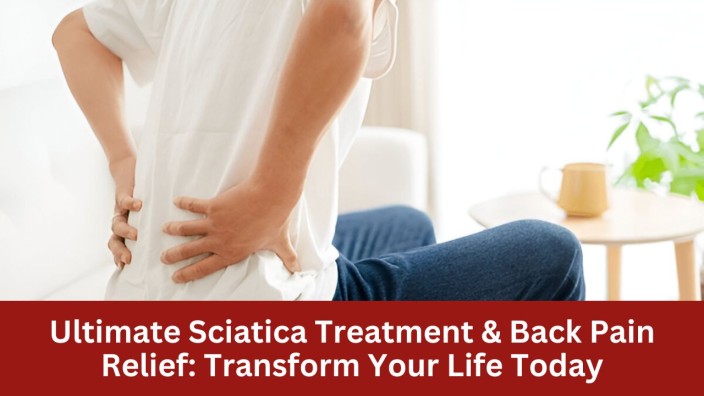
Lower back pain and sciatica are among the most common health problems affecting people of all age groups. Studies suggest that nearly 80% of adults experience some form of lower back pain in their lifetime, and sciatica affects millions worldwide. Whether caused by long sitting hours, poor posture, lack of exercise, or spinal issues, these conditions can disrupt daily life, limit mobility, and reduce productivity.
Choosing the right Lower Back Pain and Sciatica Treatment is essential for long-term relief, improved quality of life, and preventing future complications. Early care, combined with healthy lifestyle habits, can make a significant difference in managing pain and restoring normal function. In this article, we will explore the causes, symptoms, treatment options, and preventive strategies in a simple, easy-to-understand way.
Lower back pain refers to discomfort, stiffness, or aching in the area between the ribs and the hips. Sciatica is a related condition where pain originates in the lower back and radiates through the hips, buttocks, and legs due to irritation or compression of the sciatic nerve—the longest nerve in the body.
There are two main types of lower back pain: acute, lasting a few days to weeks, often due to muscle strain or minor injury, and chronic, lasting more than three months and sometimes caused by structural issues like herniated discs or spinal stenosis. Sciatica is often considered a complication of lower back pain because compressed nerves in the lumbar region can cause leg pain, numbness, or weakness.
Effective Lower Back Pain and Sciatica Treatment focuses on addressing the root cause, relieving symptoms, and preventing further injury rather than just masking pain with medications.
Lower back pain and sciatica can result from a variety of factors. Understanding the cause helps in selecting the right treatment. Common triggers include:
Poor posture while sitting or standing: Slouching increases pressure on spinal discs, causing nerve irritation.
Prolonged desk work or driving: Sitting for long periods reduces blood flow, stiffens muscles, and compresses the lower spine.
Slipped or herniated disc: When discs bulge or rupture, they can press against spinal nerves, leading to pain and sciatica.
Muscle strain or tight lower back muscles: Overexertion or sudden movements can injure muscles and ligaments in the back.
Obesity and weak core muscles: Extra weight strains the spine, and weak abdominal muscles reduce support for the lower back.
Lack of physical activity: Sedentary lifestyles weaken muscles and reduce flexibility.
Sudden injury or heavy lifting: Lifting objects incorrectly can damage discs, ligaments, or muscles.
Identifying the cause is crucial for an effective Lower Back Pain and Sciatica Treatment plan tailored to individual needs.
Symptoms of lower back pain and sciatica can vary from mild discomfort to severe pain. Common signs include:
Dull or sharp pain in the lower back
Pain radiating down one or both legs
Burning or tingling sensation
Numbness or weakness in the legs or feet
Difficulty walking, standing, or sitting for long periods
These symptoms can interfere with everyday activities like climbing stairs, bending to tie shoes, or even sitting at a desk. Ignoring persistent symptoms may worsen the condition and make recovery longer. Early recognition is key to successful Lower Back Pain and Sciatica Treatment.
Most cases can be managed without surgery. Some of the most effective treatment options include:
Physical therapy involves guided exercises to strengthen back and core muscles, improve flexibility, and reduce pressure on the sciatic nerve. Therapists may use techniques such as manual therapy, targeted stretches, and stability exercises to improve spinal alignment.
Gentle stretching, yoga, and walking improve blood circulation, reduce muscle tightness, and prevent stiffness. Specific poses like the “child’s pose,” “cat-cow stretch,” and hamstring stretches are particularly beneficial for lower back health.
Applying ice packs can reduce inflammation, while heat pads relax tight muscles and increase blood flow. Alternating between hot and cold therapy several times a day can provide effective relief at home.
Using ergonomic chairs, lumbar supports, and maintaining a proper sitting or standing posture reduces stress on the lower back. Even small adjustments, like keeping screens at eye level or avoiding crossing legs while sitting, can have long-term benefits.
In severe cases, doctors may recommend medications such as anti-inflammatories, muscle relaxants, or non-invasive therapies like TENS (Transcutaneous Electrical Nerve Stimulation) to manage pain safely.
Treatment alone is not enough. Lifestyle changes play a critical role in ensuring long-lasting results:
Maintain a healthy body weight
Take regular breaks from prolonged sitting
Stay physically active with daily walking or light exercise
Sleep on a supportive mattress and use proper pillows
Use proper lifting techniques and avoid bending incorrectly
Consistent habits help prevent the recurrence of pain and complement medical treatment.
Along with exercises and therapies, diet and daily habits significantly influence recovery. A balanced diet rich in fruits, vegetables, lean proteins, and whole grains reduces inflammation and supports muscle repair. Calcium and vitamin D strengthen bones, while staying hydrated prevents muscle stiffness.
Limiting processed foods, sugary drinks, and excessive caffeine helps manage pain levels. Daily habits such as maintaining proper sleeping posture, using supportive pillows, avoiding sudden twisting movements, and practicing stress-relief techniques like meditation or deep breathing exercises further enhance recovery. Combined with proper treatment, these habits reduce the risk of future episodes of lower back pain and sciatica.
Consult a doctor if pain lasts more than a few weeks, becomes severe, or affects daily activities. Red flags include:
Loss of bladder or bowel control
Severe numbness or weakness in legs
Pain after a fall or injury
Early diagnosis allows for personalized Lower Back Pain and Sciatica Treatment, including imaging tests, physical therapy, or minimally invasive procedures if needed.
Preventive strategies are essential to reduce recurrence:
Practice good posture at all times
Exercise regularly, including core strengthening and flexibility routines
Avoid sudden heavy lifting or awkward movements
Manage stress levels to prevent muscle tension
Incorporate ergonomic workstations and take movement breaks
Consistency in these habits protects spinal health and improves overall well-being.
Lower back pain and sciatica can significantly affect daily life, but they are manageable with the right care. Early diagnosis, effective Lower Back Pain and Sciatica Treatment, lifestyle modifications, and preventive strategies are key to recovery.
By combining physical therapy, stretching, posture correction, healthy diet, and mindful daily habits, you can relieve pain, improve mobility, and return to an active, comfortable, and pain-free lifestyle. With proper guidance and consistency, long-term relief is possible, allowing you to live life without limitations.

© 2025 Crivva - Hosted by Airy Hosting Managed Website Hosting.