

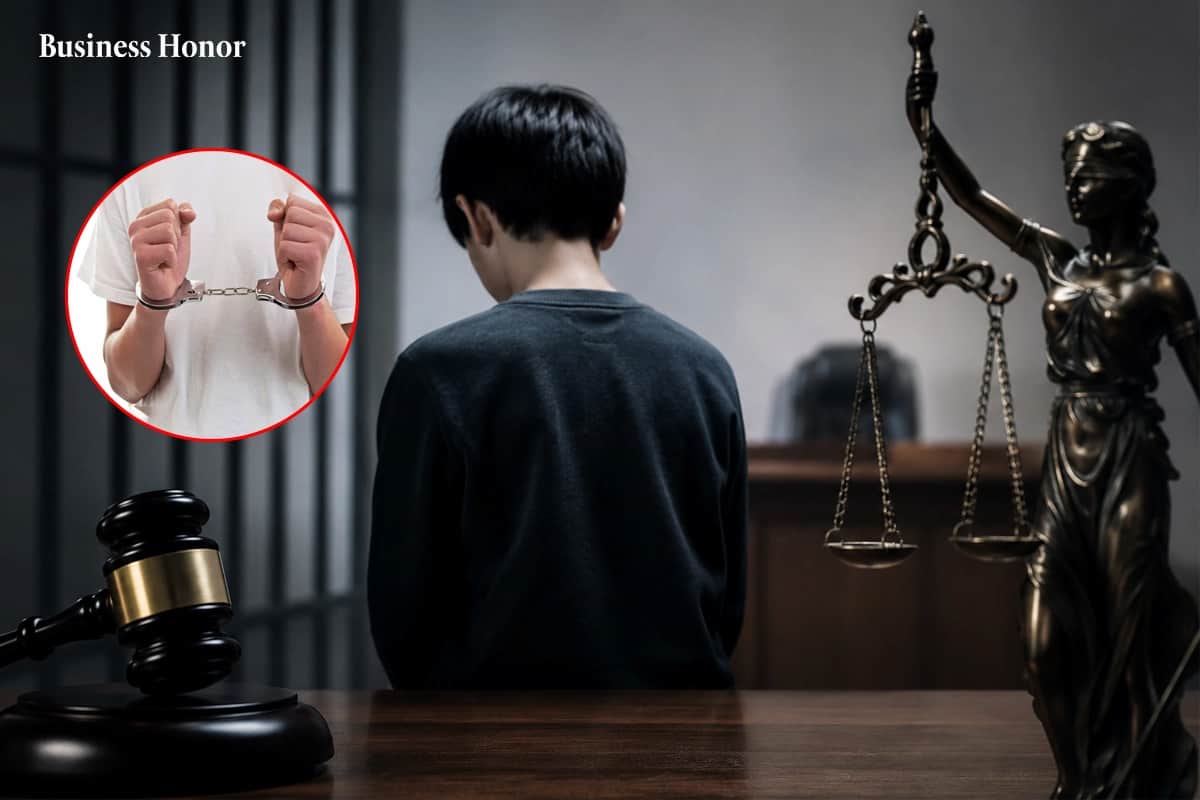
South Korea is facing growing public and political debate following recommendations from a juvenile law advisory body to lower the age of criminal responsibility to 13. The proposal reflects increasing concerns surrounding youth crime, digital offenses, and violent incidents involving minors, while also raising broader questions about rehabilitation, accountability, and the future direction of juvenile justice reform.
The recommendation has intensified national discussions about how governments should respond to changing patterns of juvenile behavior in an increasingly digital and socially complex environment. Supporters argue that the legal system must adapt to modern realities, while critics warn that lowering the criminal responsibility age could negatively affect rehabilitation-focused juvenile justice principles.
Over recent years, public concern regarding juvenile crime has grown significantly across South Korea. Cases involving school violence, cybercrime, assault, organized youth misconduct, and online harassment have received extensive media attention, increasing pressure on lawmakers to strengthen accountability measures for younger offenders.
Many policymakers believe the existing legal framework may not adequately address the seriousness of certain crimes committed by minors. Supporters of reform argue that modern adolescents are more aware of legal consequences due to increased digital access, education exposure, and social awareness compared to previous generations.
The proposed changes would potentially allow younger offenders to face stricter legal proceedings under certain criminal circumstances. Advocates claim this could improve deterrence while restoring public confidence in the justice system.
Despite growing support for reform among some groups, critics continue emphasizing the importance of rehabilitation within juvenile justice systems. Child welfare advocates, educators, and legal experts argue that minors should remain protected under systems focused primarily on education, psychological support, and social reintegration rather than punitive criminal sentencing.
Experts note that adolescent brain development, emotional maturity, and environmental influences differ significantly from those of adults. As a result, many believe juvenile justice policies should prioritize long-term rehabilitation strategies designed to reduce repeat offenses and support social recovery.
The debate reflects broader international discussions regarding how governments should balance public safety with child protection and developmental psychology. Several countries continue reviewing their juvenile justice laws as digital behavior, online crime, and youth violence evolve globally.
The growing influence of digital platforms and social media has also become a major factor shaping discussions around juvenile crime. Online harassment, cyberbullying, identity fraud, and digital exploitation cases involving minors have increased concerns among educators, parents, and policymakers worldwide.
Authorities are increasingly examining whether current juvenile legal systems are prepared to handle technology-related offenses committed by younger individuals. Social media exposure, online peer influence, and access to digital communities are transforming how adolescents interact, communicate, and sometimes engage in unlawful activity.
Legal experts believe future juvenile justice reforms may need to address not only traditional criminal behavior but also emerging digital risks affecting younger generations.
Public sentiment surrounding the proposal remains divided. Some citizens support stricter legal accountability measures due to rising concerns about violent youth offenses, while others worry that lowering the age threshold could increase social stigmatization and reduce opportunities for rehabilitation.
Political leaders are also approaching the issue cautiously due to its social sensitivity and long-term implications for youth welfare policies. Any legal reform involving juvenile responsibility is expected to require extensive legislative review, expert consultation, and public discussion before implementation.
The issue has also generated attention from academic institutions, legal associations, and international human rights organizations monitoring how governments balance child rights protections with evolving public safety concerns.
The ongoing debate in South Korea highlights the growing complexity of juvenile justice systems in modern societies. Rapid technological change, shifting social behavior, and rising public expectations are forcing policymakers to reconsider how legal systems address youth crime while preserving rehabilitation opportunities.
As governments worldwide continue reviewing juvenile law frameworks, South Korea’s discussions may influence broader regional conversations about youth accountability, criminal justice reform, and child protection standards.
The outcome of the proposal could shape future legal strategies not only for addressing juvenile crime but also for defining how modern societies approach youth development, education, and rehabilitation in increasingly digital environments.
Read the full original report on Business Honor
“Korea Juvenile Law Body Recommends Lowering Criminal Responsibility Age to 13”

© 2025 Crivva - Hosted by Airy Hosting Managed Website Hosting.