


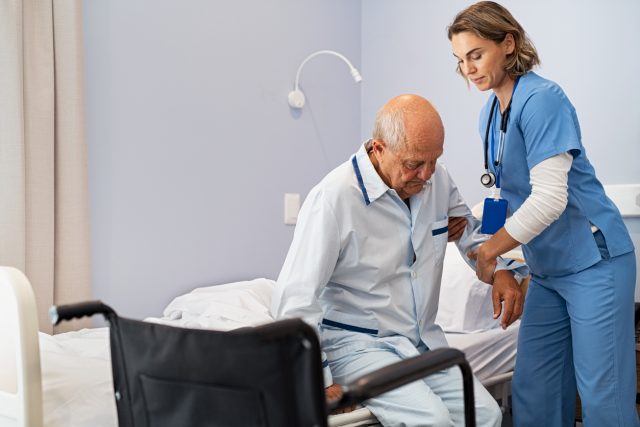
In home care services for seniors are becoming a central part of how families handle aging in the United States. Most older adults say they want to remain in their own homes instead of moving into assisted living or nursing facilities. According to AARP, nearly 77 percent of adults over 50 prefer to age in place. That preference is strong, but making it work safely requires planning and support.
As life expectancy rises and chronic health conditions become more common, families are searching for realistic care options. Aging in place is not just about comfort. It’s about independence, safety, and managing costs in a system that can be overwhelming. In this guide, I will break down the challenges families face, why those problems grow over time, and how structured care at home can offer a workable solution.
The desire to stay home is clear, but daily life can become harder with age. Mobility declines, balance weakens, and managing medications gets complicated. The Centers for Disease Control and Prevention reports that one in four Americans aged 65 and older falls each year. Falls often lead to in home care services for seniors and long recovery periods.
Chronic illnesses also increase with age. Conditions such as heart disease, arthritis, and diabetes require ongoing monitoring. Without regular oversight, small issues can turn into emergencies. Families often assume they can manage alone, but the reality is that caregiving demands more time and medical knowledge than expected.
Housing itself can create risk. Stairs, slippery bathrooms, and poor lighting contribute to accidents. Many older homes were never designed for aging residents. These structural challenges combine with medical needs to create a situation that feels manageable at first but becomes harder each year.
When health declines, adult children usually step in. Many are balancing careers and raising children of their own. According to the National Alliance for Caregiving, more than 53 million Americans provide unpaid care to a loved one. That responsibility can stretch for years.
The emotional pressure is intense. Family caregivers often feel guilt when they cannot provide constant supervision. Missed workdays and lost income add financial strain. At the same time, moving a parent into a facility can feel like giving up on their independence.
The cost difference is also significant. Genworth’s 2023 Cost of Care Survey shows that the median annual cost of a private nursing home room exceeds $100,000. For middle-income families, that figure is not sustainable long term. This financial reality pushes many families to search for alternatives that keep loved ones safe without draining savings.
In home care services for seniors provide structured support directly in the residence of the older adult. These services range from medical care to help with daily living tasks such as bathing, dressing, meal preparation, and medication reminders. The goal is to maintain independence while reducing risk.
Medical components often include skilled nursing and therapy. After surgery or hospitalization, recovery at home with professional oversight lowers the chance of complications. Studies published in Health Affairs show that home-based care programs can reduce hospital readmissions by up to 25 percent.
I have seen this firsthand with a neighbor who underwent hip replacement surgery. Instead of staying in a rehabilitation facility, she received therapy visits at home. Her comfort level was higher, and she progressed steadily because she practiced walking in her own environment. That practical approach made recovery feel less clinical and more natural.
Major health systems have recognized the value of home-based models. Mayo Clinic has expanded remote monitoring programs that allow certain patients to recover at home with digital oversight. This approach blends technology with in-person visits, creating a hybrid model that reduces strain on hospital beds.
Franchise organizations have also scaled quickly. Home Instead operates hundreds of locations nationwide, focusing on companionship and daily assistance. Their growth reflects rising demand for personalized support that does not require relocation.
Employment trends confirm this shift. The U.S. Bureau of Labor Statistics projects strong growth in home health and personal care aide roles through the next decade. As more families choose in home care services for seniors, workforce demand continues to climb.
Mobility is one of the biggest factors in whether seniors can remain at home safely. When strength declines, even short walks to the kitchen become risky. This is where families often begin searching online for in-home physical therapy for seniors near me to find licensed professionals who can help improve balance and coordination.
Physical therapists design exercise plans tailored to the home environment. Instead of practicing on unfamiliar equipment, seniors work on real-life movements like climbing their own stairs. That targeted approach builds confidence along with muscle strength.
Demand for in-home physical therapy for seniors near me has increased since the COVID-19 pandemic shifted preferences away from crowded facilities. Many providers now coordinate directly with physicians to ensure therapy plans align with medical recovery goals. This integration reduces communication gaps and speeds progress.
I remember helping a family friend locate in-home physical therapy for seniors near me after he experienced a mild stroke. The therapist’s regular visits not only improved mobility but also provided reassurance to the family. Consistent monitoring made everyone feel more secure.
Understanding payment options is essential before starting care. Medicare typically covers short-term skilled services when prescribed by a physician. These may include nursing or therapy visits, but not long-term personal assistance. Medicaid programs vary by state and may offer broader coverage for eligible individuals.
Private insurance plans differ in scope, and long-term care insurance can offset some costs. Families should request detailed explanations of benefits before signing agreements. Transparent billing prevents confusion later.
When searching for in-home physical therapy for seniors near me, it is wise to verify whether providers accept Medicare assignment. Asking about copayments and visit limits avoids unexpected bills. Financial planning is as important as medical planning when organizing support at home.
Technology now plays a strong role in aging in place. Remote patient monitoring devices track blood pressure, oxygen levels, and heart rate. Data is transmitted directly to care teams who can respond quickly if numbers fall outside safe ranges.
Emergency response systems also provide peace of mind. Wearable alert devices allow seniors to call for help after a fall. Combined with scheduled visits from caregivers, these tools create layers of protection.
Agencies offering in home care services for seniors increasingly integrate digital systems with traditional visits. This blend improves accountability and documentation. In my opinion, technology does not replace human care, but it strengthens the safety net around vulnerable adults.
Selecting a provider requires careful research. Families should confirm licensing, background checks, and training standards. Interviewing potential caregivers helps ensure personality fit and clear communication.
Reading state inspection reports can reveal patterns in complaints or compliance issues. Reliable agencies encourage transparency and provide written care plans outlining responsibilities. Clear expectations reduce misunderstandings later.
When evaluating therapy providers, families searching for in-home physical therapy for seniors near me should ask about experience with specific conditions such as stroke recovery or joint replacement. Specialized expertise often leads to better outcomes.
Aging in place is possible, but it requires realistic planning and structured support. In home care services for seniors address the core challenges of independence, safety, and affordability. By combining personal assistance, skilled nursing, therapy, and technology, families can create a system that supports long-term stability.
The financial and emotional pressures of caregiving are real, yet proactive planning reduces crisis-driven decisions. Exploring coverage options, comparing providers, and asking the right questions builds confidence. With the right structure in place, in home care services for seniors allow older adults to remain where they feel most secure: at home.
As the senior population grows, these services will continue shaping how Americans approach aging. Families who understand their options today are better prepared for tomorrow.

© 2025 Crivva - Hosted by Airy Hosting Managed Website Hosting.