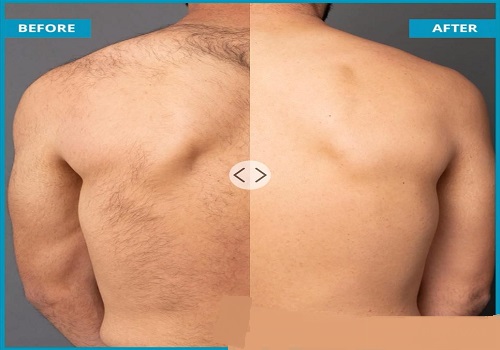
Laser hair removal has become one of the most popular cosmetic treatments for people who want smooth, low maintenance skin. It offers long lasting results and saves time compared to shaving or waxing. However, the success of the treatment depends not only on the clinic you choose but also on how well you prepare before your session and care for your skin afterward. If you are planning your first appointment or already have one scheduled, understanding the important steps before and after laser hair removal can make a huge difference. Let’s walk through everything you need to know in a clear and professional way.
Before diving into preparation and aftercare, it helps to understand how the treatment works.
Laser hair removal uses concentrated light energy to target the pigment in hair follicles. In treatments such as full body laser hair removal, the laser damages the follicle, reducing future hair growth across multiple areas of the body. Since hair grows in cycles, multiple sessions are needed for optimal results. The treatment is generally safe when performed by trained professionals. Still, your skin needs proper care to avoid irritation and to maximize the results of full body laser hair removal.
Preparing your skin properly can improve effectiveness and reduce the risk of side effects.
Sun exposure is one of the most important factors to control before treatment. Tanned or sunburned skin increases the risk of complications such as burns, discoloration, or irritation. Try to avoid direct sun exposure for at least two weeks before your session. If you must be outdoors, use a broad spectrum sunscreen with SPF 30 or higher.
Laser treatment targets the hair follicle. If you wax, pluck, or thread the hair before your session, the follicle is removed and the laser will not be effective. Stop these hair removal methods at least four weeks before treatment. Shaving is allowed because it leaves the follicle intact.
You should shave the area 24 hours before your appointment. This helps the laser focus on the follicle beneath the skin rather than burning surface hair.
Avoid shaving immediately before the session to reduce the chance of irritation.
Stop using products that contain retinoids, glycolic acid, salicylic acid, or other strong exfoliants a few days before treatment. These products can make your skin more sensitive.
Keep your skincare routine simple and gentle leading up to the appointment.
Some medications can increase sensitivity to light. Antibiotics, acne treatments, and certain supplements may affect your skin’s reaction to the laser. Always share your full medical history and current medications with your provider. Transparency ensures safe and effective treatment.
Understanding the procedure can help you feel more comfortable.
Most people describe the sensation as a quick snap against the skin, similar to a rubber band. Modern machines often include cooling systems to reduce discomfort. The session length depends on the treatment area. Small areas like the upper lip may take a few minutes, while larger areas like the legs can take up to an hour.
It is normal to experience mild redness and slight swelling around hair follicles after treatment. This reaction usually fades within a few hours.
Aftercare is just as important as preparation. Proper care helps prevent complications and enhances results.
Apply a soothing gel such as aloe vera to calm redness and irritation. Your provider may also recommend a specific post treatment cream.
Avoid touching or scratching the treated area.
For at least 24 to 48 hours after treatment, avoid hot showers, saunas, steam rooms, and intense workouts. Excess heat can irritate the skin and increase redness.
Stick to lukewarm showers and gentle activities.
Your skin will be more sensitive after laser treatment, especially if the procedure was performed at a professional skin care clinic. Avoid direct sun exposure for at least two weeks and use sunscreen daily. Following the aftercare instructions provided by your skin care clinic will help protect your skin and support proper healing.
Sun protection reduces the risk of pigmentation changes and supports healing.
Avoid exfoliants, scrubs, and strong active ingredients for several days after treatment. Use mild cleansers and fragrance free moisturizers.
Let your skin recover naturally without unnecessary stress.
As hair sheds over the next one to two weeks, you might feel small bumps or notice hairs pushing out. This is completely normal.
Do not pick or scratch the area. Let the shedding process happen naturally.
Laser hair removal is generally safe, but mild side effects can occur.
These are common and usually temporary. Applying a cold compress can help reduce discomfort.
Your skin may feel slightly sensitive for a few days. Wear loose clothing to avoid friction on treated areas.
If you notice severe pain, blistering, or prolonged swelling, contact your provider immediately. Early communication ensures quick management of any unexpected reaction.
Laser hair removal requires multiple sessions spaced several weeks apart. Following your treatment schedule is essential for best results.
Hair grows in cycles, and each session targets active growth phases. Skipping appointments may delay results.
Some individuals may need maintenance treatments once or twice a year, depending on hair type and hormonal factors.
Keep your skin moisturized and protected from the sun even between sessions. Healthy skin responds better to treatment.
Your results and safety depend heavily on the clinic you choose.
Ensure the technician is certified and experienced. Proper training reduces risks and improves outcomes.
Modern laser systems are more precise and comfortable. Do not hesitate to ask what type of equipment is used and whether it is suitable for your skin type.
Customer feedback provides insight into real experiences. Look for consistent positive reviews and professional conduct.
Even small mistakes can affect your results.
Tanned skin increases risk. Always prioritize sun protection.
Neglecting post treatment instructions can lead to irritation or pigmentation issues.
Hair reduction happens gradually. Patience and consistency are key.
Laser hair removal is a safe and effective way to achieve smoother skin when done correctly. The important steps before and after laser hair removal play a major role in your overall experience and results. Proper preparation, careful aftercare, and choosing a qualified provider can significantly improve outcomes while minimizing risks. By following professional guidance and maintaining realistic expectations, you can enjoy long lasting hair reduction and healthier looking skin. Think of the process as a partnership between you and your provider. When both sides do their part, the results can be impressive and rewarding.
Most people require six to eight sessions for optimal results. The exact number depends on hair type, skin tone, and the treatment area.
The treatment provides long term hair reduction. Some hair may regrow over time, but it is usually finer and lighter.
Yes, shaving is allowed and recommended. Avoid waxing or plucking between sessions.
Discomfort is usually mild and temporary. Many modern devices include cooling systems to enhance comfort.
You may notice hair shedding within one to two weeks after your first session. Visible reduction improves gradually with each appointment.

© 2025 Crivva - Hosted by Airy Hosting Managed Website Hosting.