Living in Central Australia comes with many advantages, but it also means homes are exposed to some of the country’s harshest environmental conditions. Long periods of extreme heat, dry winds, dust storms, and seasonal thunderstorms all place additional stress on residential electrical systems. While these conditions are a normal part of life in the region, they may gradually affect the safety, efficiency, and lifespan of a home’s electrical infrastructure.
For homeowners, understanding how desert weather influences electrical systems is an important part of responsible property maintenance. Whether you live in a newer home or an older property, taking preventative steps before problems arise may reduce unexpected repairs, improve safety, and help your electrical system perform more reliably throughout the year.
Why Desert Conditions Put Extra Pressure on Home Electrical Systems
Electrical systems are designed to withstand normal operating conditions, but Alice Springs experiences a climate unlike many other Australian regions. The combination of intense temperatures and fine airborne dust creates unique challenges.
Extreme Heat Affects Electrical Performance
During summer, temperatures regularly climb above 40°C. At the same time, households often rely heavily on air conditioners, ceiling fans, refrigerators, and other appliances working continuously throughout the day.
This increased demand places greater load on circuits, switchboards, and electrical components. Older wiring or outdated switchboards may struggle to keep up with modern electricity usage, particularly if the property has undergone renovations or added appliances over time.
Heat may also accelerate the natural ageing of cable insulation and other electrical materials, making routine inspections increasingly valuable.
Dust Finds Its Way Everywhere
Fine desert dust has an uncanny ability to enter almost every part of a home, including electrical equipment.
Over time, dust may accumulate around switchboards, external power outlets, ventilation openings, and outdoor lighting fixtures. Although homeowners often focus on visible cleaning, electrical components are easy to overlook.
Dust build-up may contribute to overheating or reduce the effectiveness of ventilation around certain electrical equipment, particularly if regular maintenance is neglected.
Seasonal Storms Bring Unexpected Risks
Although Alice Springs is known for its dry climate, summer storms may develop quickly.
Lightning strikes and sudden power fluctuations may damage sensitive electronics, appliances, and even sections of a home’s electrical system.
Power surges are often unpredictable, making surge protection an increasingly worthwhile consideration for many households.
Signs Your Home May Need an Electrical Inspection
Many electrical issues develop gradually rather than appearing overnight. Recognising early warning signs may prevent larger and more expensive problems later.
Circuit Breakers That Frequently Trip
Occasional breaker trips are normal, particularly if too many appliances are operating simultaneously. However, repeated tripping may indicate overloaded circuits, deteriorating wiring, or faults requiring professional assessment.
Flickering Lights
Lights that dim or flicker consistently should never be ignored. While the cause may be relatively minor, persistent flickering may also indicate loose wiring, overloaded circuits, or issues within the switchboard.
Warm or Discoloured Power Points
Power outlets should never feel hot to the touch. Heat, discolouration, burning smells, or visible damage may indicate an electrical fault requiring immediate attention.
Older Switchboards
Many older homes still operate with electrical infrastructure that predates today’s higher energy demands.
Modern households typically power multiple televisions, computers, kitchen appliances, electric vehicle chargers, solar systems, and larger air conditioning units. An outdated switchboard may no longer provide adequate protection.
Rising Electricity Bills
Increasing energy costs are often blamed solely on electricity prices. However, inefficient electrical systems, ageing appliances, or hidden faults may also contribute to higher power consumption.
Practical Ways an Electrician Alice Springs May Improve Home Safety
Preventative maintenance is generally more affordable than emergency repairs. Qualified electricians assess not only current issues but also potential risks before they develop into serious problems.
Switchboard Upgrades
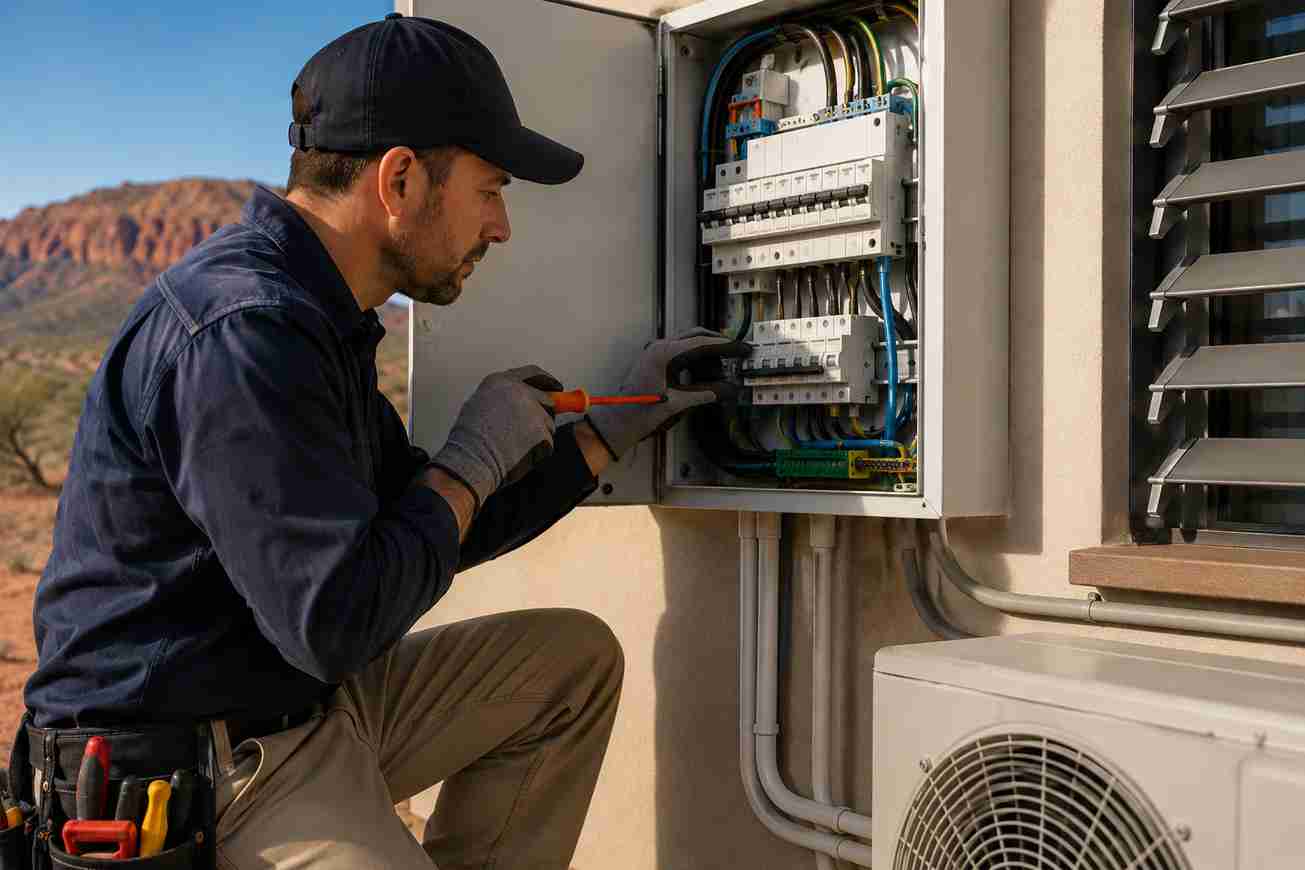
Modern switchboards include improved safety features such as safety switches (RCDs), circuit protection, and greater capacity for contemporary electrical loads.
Upgrading an ageing switchboard may improve household safety while providing greater flexibility for future renovations or appliance installations.
Surge Protection
Whole-home surge protection helps safeguard expensive electronics from unexpected voltage spikes caused by storms or power supply fluctuations.
Computers, televisions, kitchen appliances, internet equipment, and home office technology may all benefit from additional protection.
Outdoor Electrical Safety
Outdoor electrical equipment experiences continuous exposure to harsh environmental conditions.
Garden lighting, sheds, irrigation systems, pools, workshops, and external power outlets should be inspected periodically to ensure weatherproof fittings remain effective.
Ceiling Fans and Ventilation
Ceiling fans continue to be one of Australia’s most energy-efficient cooling solutions.
Installing or upgrading ceiling fans may reduce reliance on air conditioning while improving indoor comfort throughout warmer months.
Smoke Alarm Testing
Smoke alarms save lives only when functioning correctly.
Routine testing, battery replacement, and ensuring alarms comply with current Australian regulations are important aspects of home safety that should never be overlooked.
Planning Ahead Before Summer Arrives
Preventative preparation is often the simplest way to avoid electrical problems during peak summer.
Homeowners may consider:
Testing safety switches.
Checking outdoor lighting and weatherproof outlets.
Having air conditioning circuits inspected.
Reviewing switchboard capacity before installing new appliances.
Replacing damaged extension leads.
Inspecting ceiling fans before warmer weather arrives.
Planning maintenance before temperatures peak often allows issues to be identified under less demanding conditions.
When Should You Call a Professional?
Although homeowners may safely perform simple visual inspections, electrical work should always be left to licensed professionals.
Professional assistance is particularly worthwhile when:
Renovating kitchens or bathrooms.
Installing new air conditioners.
Upgrading lighting.
Experiencing recurring electrical faults.
Purchasing an older property.
Recovering after storm damage.
When researching local electrical professionals, many homeowners compare experience, licensing, and service capabilities before choosing someone suitable for the job. For example, Sawtell Contracting, an electrician in Alice Springs provides information about residential electrical services, inspections, repairs, upgrades, and preventative maintenance for homes across the region.
Small Preventative Habits That Make a Big Difference
Electrical safety is not only about major repairs. Everyday habits also contribute to maintaining a safer home.
Simple practices include:
Avoid overloading power boards.
Replace damaged extension cords immediately.
Keep switchboards easily accessible.
Test safety switches every few months.
Arrange periodic electrical inspections.
Ensure outdoor fittings remain weatherproof.
Avoid DIY electrical work.
Have unusual electrical behaviour investigated promptly.
These relatively small actions may help identify developing issues before they become costly or hazardous.
Maintaining Your Home for the Long Term
Electrical systems are often overlooked because they operate quietly behind walls and ceilings. Unlike visible parts of a home that receive regular maintenance, wiring and switchboards frequently receive little attention until something stops working.
Regular inspections become increasingly valuable as homes age or electrical demand grows. Modern lifestyles rely more heavily than ever on technology, home offices, entertainment systems, and climate control. As a result, ensuring electrical systems remain capable of supporting these demands is an important part of protecting both your property and your family.
Homeowners interested in broader property maintenance may also find useful ideas in Crivva’s guide to home improvement for modern homeowners, while those preparing larger renovation projects may benefit from reading the platform’s article on planning successful home projects.
Conclusion
Preparing for Central Australia’s challenging climate involves more than servicing air conditioners or checking roof gutters. Electrical systems work harder during periods of extreme weather and deserve the same level of preventative attention.
Whether it involves inspecting an ageing switchboard, improving surge protection, maintaining outdoor electrical installations, or ensuring smoke alarms operate correctly, proactive maintenance may improve safety, reliability, and long-term performance.
By understanding how desert conditions affect household electrical systems, homeowners are better equipped to make informed maintenance decisions and reduce the likelihood of unexpected electrical problems when temperatures rise.

© 2025 Crivva - Hosted by Airy Hosting Managed Website Hosting.