

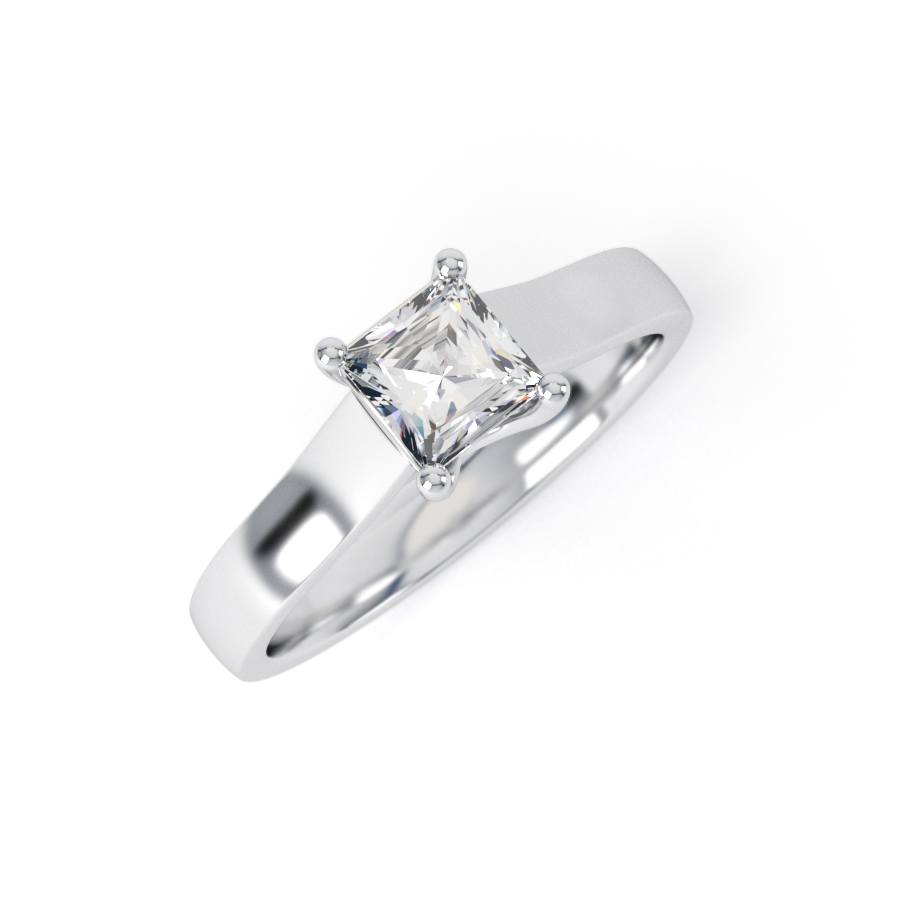
Choosing wedding rings is one of the most personal decisions you’ll make before your big day. Unlike an engagement ring chosen as a surprise, wedding rings are typically selected together — making the process both exciting and, occasionally, a little overwhelming. The right band should feel as natural and lasting as the commitment it represents.
Whether you lean classic, contemporary, or somewhere in between, understanding what to look for makes all the difference.
Before visiting a jeweller, think about your lifestyle. Do you work with your hands, play sport regularly, or prefer minimal jewellery day-to-day? These factors will influence everything from metal choice to ring profile.
It’s also worth considering how your wedding ring will sit alongside an engagement ring if you have one. Curved or shaped bands are designed to nestle flush against solitaire or more complex settings.
It’s also helpful to think about your long-term preferences rather than focusing solely on current trends. Wedding rings are designed to be worn every day for decades, so comfort and practicality should carry just as much weight as appearance. Consider whether you prefer a ring that makes a statement or something understated that blends seamlessly into your daily style. Trying on several different widths, profiles, and metals can often reveal preferences you may not have anticipated when browsing online.
The metal affects durability, maintenance, and long-term wearability. Here are the main options:
Ring width is measured in millimetres, typically ranging from 2mm to 8mm. The right width depends on personal taste and finger proportions — broader bands tend to suit longer fingers, while finer widths look elegant on narrower hands.
Profile refers to the ring’s cross-sectional shape. A court profile (rounded inside and outside) is the most comfortable for everyday wear. A D-shape is flat on the inside — fine for occasional use but less ideal for daily wear.
Diamond set wedding rings have grown significantly in popularity over the past decade. A channel-set or pavé band adds brilliance that sits beautifully alongside a solitaire engagement ring — and increasingly, people choose a diamond-set band as a standalone piece in its own right.
Options range from a full eternity ring to a half-eternity band, or a subtle grain-set diamond accent along the outer edge. Each style sits differently alongside various engagement ring shapes, so it’s worth trying them together before deciding.
Beyond aesthetics, it’s worth considering how much sparkle you want in your everyday jewellery. Some people prefer a subtle row of smaller diamonds that add light without overwhelming the design, while others love the impact of a more prominent diamond-set band. Diamond wedding rings can also be customised to suit different budgets, making them accessible whether you’re looking for a modest accent or a more luxurious finish. Discussing how the ring will complement existing jewellery can help narrow down the options and create a cohesive look.
Fingers change size depending on temperature, time of day, and hydration. The GIA recommends getting sized in the afternoon at a neutral temperature, when your fingers are most stable. Always be sized in the width of band you plan to buy — wider bands can feel half a size smaller.
In the UK, all gold, silver, and platinum jewellery sold commercially must carry a hallmark certifying the metal’s purity. When buying your ring, check for the appropriate mark from one of the four UK Assay Offices: Birmingham, London, Edinburgh, or Sheffield.
There’s no rule that wedding rings need to match. Many couples choose complementary rather than identical bands — same metal, different widths or profiles. Others go for entirely different styles that reflect their individual personalities.
If you want coordinating rings, try both on together. Rings that look similar in isolation can appear quite different when worn side by side.
Beyond aesthetics, it’s worth considering how much sparkle you want in your everyday jewellery. Some people prefer a subtle row of smaller diamonds that add light without overwhelming the design, while others love the impact of a more prominent diamond-set band. Diamond wedding rings can also be customised to suit different budgets, making them accessible whether you’re looking for a modest accent or a more luxurious finish. Discussing how the ring will complement existing jewellery can help narrow down the options and create a cohesive look.
Most wedding rings can be engraved inside with a date, initials, or a short phrase. Keep it concise — the inside of a 3mm band doesn’t leave much room — and confirm the font and character limit with your jeweller before finalising.
Choosing a wedding ring involves more practical decisions than most people expect — metal, width, profile, diamonds, engraving. Each choice is an opportunity to find something that genuinely reflects who you are and how you’ll live in this ring for decades to come.
Take your time, try different styles on, and don’t feel rushed by trends. The right ring is the one that still feels like you 20 years from now.
Start at least three to four months before your wedding. This allows time for sizing, bespoke work, engraving, and delivery.
Most plain metal bands can be resized. Full eternity rings with stones all the way around are generally not resizable — get the size right at purchase.
Both are excellent. Platinum is denser, more durable, and stays white naturally. Gold is lighter and available in more colour variants. The best choice depends on your lifestyle and budget.
A slightly domed interior profile that allows the ring to slide over the knuckle more easily. Particularly beneficial for wider bands worn daily.
Not necessarily. White metals pair seamlessly. Yellow or rose gold alongside white metals creates a deliberate two-tone effect many people find striking. It’s entirely personal preference.

© 2025 Crivva - Hosted by Airy Hosting Managed Website Hosting.