


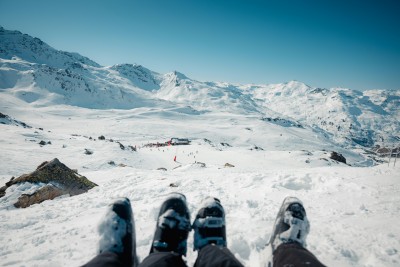
Ski boots are the most important part of your winter adventure gear. They connect your body directly to the skis. A good pair improves balance, control, and overall confidence. A poor pair causes pain, instability, and early fatigue. Many beginners focus more on skis than boots. However, experienced skiers know boots determine performance on snow. Before making a purchase, you must understand fit, flex, materials, and compatibility. A careful decision will improve comfort and safety throughout the season.
Fit is the single most important factor when selecting ski boots. This is especially important when selecting ski boots for ladies, as women-specific designs often feature narrower heels, lower cuffs, and adjusted flex patterns for better anatomical support. You want a firm hug for your foot, not a painful grip. When you stand up, your toes should lightly brush the front—totally normal. As you flex forward, they should pull back a bit, and your heel needs to stay glued in place. A loose heel means lost control and blisters. Too-tight fit cuts off circulation, leaving you numb before the first run. Always try them on with your thinnest ski socks. Nail the fit, and you’re set for a day of comfort and control.
Flex rating determines how stiff or soft the boot feels. Softer boots are better for beginners learning basic movements. They allow smoother turns and easier balance adjustments. Stiffer boots respond faster and offer stronger power transfer. Advanced skiers usually prefer higher flex ratings for precision. Your body weight also affects the right flex choice. Heavier skiers often need slightly stiffer support. Choosing the correct flex improves control without sacrificing comfort. Matching stiffness to ability enhances overall skiing efficiency.
Ski boots are available in various width profiles known as lasts. Narrow, medium, and wide options affect comfort significantly. A boot that matches your foot width prevents pressure points. Shell design also influences responsiveness and comfort. Overlap shells provide strong power transmission and stability. Cabrio designs offer smoother forward flex patterns. Inspect buckles for strength and easy adjustment features. Micro-adjustable buckles allow small but important fit improvements. A correct shell structure supports better performance during long winter sessions.
The inner liner plays a major role in overall comfort. Good liners provide the best insulation. Quick-dry materials actively pull moisture away to support day-long comfort. Heat-moldable liners adjust to your unique foot shape. Customized liners reduce pressure and improve circulation. Cold feet reduce concentration and shorten ski sessions. Proper insulation supports comfort across changing weather conditions. Quality liners enhance both warmth and control. Prioritizing liner comfort improves your overall mountain experience.
Ski boots must match your ski binding system correctly. Alpine boots are designed for standard alpine bindings. Touring boots require compatible touring binding systems. GripWalk soles need bindings that support that design. Incompatible equipment may increase risk; confirm proper fit and compatibility first. Binding alignment affects release performance during falls. Proper setup reduces injury risk on challenging terrain. Equipment synchronization ensures smooth and reliable skiing performance.
Comfort directly affects how long you can ski confidently. Localized pressure can turn painful over time. Lighter boots help reduce strain on your legs. Structured ankle support promotes better balance and handling. Effective cushioning supports endurance on repeated runs. Walk around in-store to ensure the fit feels right. Flex forward repeatedly to simulate skiing posture. Notice any heel lifting or tight areas immediately. Testing thoroughly prevents regret after your purchase.
Professional boot fitting improves performance significantly. Experts can heat mold liners for personalized shaping. Custom insoles enhance arch support and balance control. Minor shell adjustments relieve pressure points effectively. Professional adjustments improve precision during turns. Investing in customization increases long-term satisfaction. Proper fitting reduces discomfort during extended skiing sessions. Tailored boots provide stronger energy transfer and stability. Custom solutions maximize both comfort and performance.
Value is often tied to engineering, construction, and brand reliability. Introductory boots perform well for occasional trips. Top-tier versions include upgraded features and lasting strength. Focus on overall value rather than just a lower cost. Cheap materials may wear out quickly in harsh conditions. Boots built for durability offer stronger long-term benefits. Determine a realistic price range ahead of your visit. Research brands trusted for performance and craftsmanship. Thoughtful investment helps ensure reliability and ease of wear.
Investing in ski boots requires precision and planning. Small selection errors may result in a poor fit and compromised control. Knowing what to avoid strengthens both comfort and overall mountain performance.
Choosing the right ski boots is essential for a safe, comfortable, and enjoyable winter experience. A proper fit should always come first, as it directly affects control, balance, and comfort on the slopes. The right flex rating ensures your boots match your skill level, helping you ski with better confidence and precision. Equally important are shell design, liner quality, and binding compatibility, all of which contribute to performance, warmth, and safety. Taking time to test boots in a ski-like stance and walking in them helps avoid discomfort later. Professional fitting and minor custom adjustments can further enhance comfort and responsiveness. In the end, well-chosen ski boots are an investment in performance and enjoyment. They reduce fatigue, improve control, and make every run smoother, allowing you to fully enjoy your winter adventures with confidence.

© 2025 Crivva - Hosted by Airy Hosting Managed Website Hosting.