

In competitive market, growing a brand is not just about having a great product. It’s about visibility, strategy, and smart decision-making. Businesses that grow successfully don’t rely on guesswork, they use marketing tools to guide every step. These tools help brands reach the right audience, understand customer behavior, and improve performance.
Simply put, marketing tools act like a roadmap that leads brands toward steady and sustainable growth.
Brand growth means increasing your brand’s recognition, trust, and overall market presence. It is not limited to sales. It includes customer loyalty, strong reputation, and long-term relationships. A growing brand is one that customers remember, prefer, and recommend.
Why does brand growth matter? Because competition is everywhere. Customers have many choices, and if your brand does not stand out, it gets ignored. Growth builds trust, and trust leads to repeat business. Marketing tools make this growth process organized and measurable instead of random and uncertain.
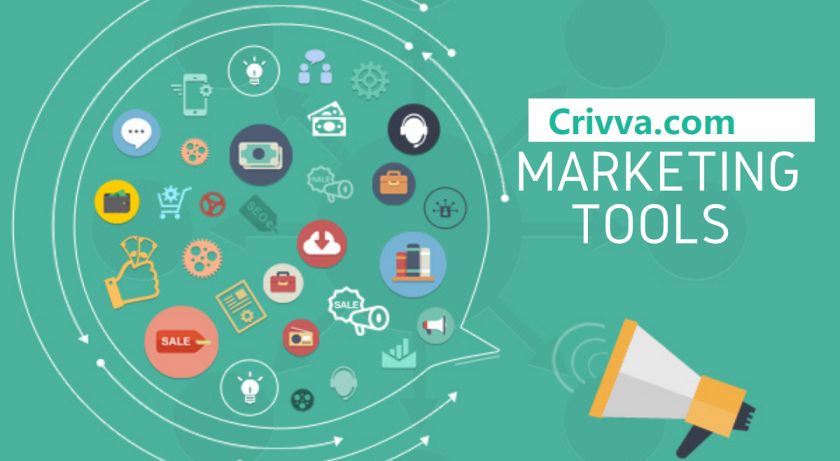
Marketing tools are software, platforms, and strategies that help businesses plan, execute, and analyze marketing activities. They simplify complex tasks like social media management, email campaigns, customer tracking, and performance measurement.
There are different types of marketing tools, including:
Social media management tools
SEO and content tools
Email marketing platforms
Analytics and reporting tools
CRM (Customer Relationship Management) systems
Each tool serves a specific purpose, but together they create a powerful system that supports brand growth.
Brand awareness is the first step toward growth. If people don’t know your brand exists, they cannot become customers. Marketing tools help increase visibility across multiple channels.
Social media tools allow businesses to schedule posts, track engagement, and interact with followers. Consistent posting builds recognition. SEO tools help brands appear in search engine results, making it easier for potential customers to find them online.
Email marketing platforms also play a key role. They help businesses send personalized messages to customers, keeping them informed and engaged. Over time, this consistent communication strengthens brand recall and trust.
One of the biggest advantages of marketing tools is data. Instead of guessing what works, businesses can track real results. Analytics tools measure website traffic, customer behavior, and campaign performance.
CRM systems help manage customer information and improve communication. They allow businesses to understand buying patterns and customer preferences.
Market intelligence tools are especially valuable because they provide insights about competitors, industry trends, and customer demands. By using market intelligence tools, brands can identify opportunities, adjust strategies, and stay ahead of the competition. These insights reduce risk and improve decision-making.
When decisions are based on real data, growth becomes faster and more predictable.
Customer engagement is important for brand growth. Marketing automation tools help businesses stay connected with customers without spending excessive time.
Automation platforms send welcome emails, follow-up messages, and promotional offers automatically. Chatbots provide instant responses to customer questions, improving satisfaction.
When customers feel heard and valued, they are more likely to trust the brand. Automation ensures consistent communication, which strengthens long-term relationships.
Consistency builds trust. If your brand message changes frequently, customers may feel confused. Marketing tools help maintain a unified voice and visual identity across platforms.
Content planning tools allow businesses to organize posts in advance. Design tools ensure logos, colors, and visuals remain consistent. This professional presentation increases credibility and reinforces brand identity.
Brand growth ultimately supports sales. Marketing tools help convert visitors into paying customers. Conversion optimization tools test different headlines, images, or offers to see what works best.
Advertising and PPC tools allow businesses like a startup, or leading SEO company, to target specific audiences based on interests and behavior. Instead of spending money randomly, brands can focus on people who are more likely to buy.
By using analytics and market intelligence tools together, businesses can refine their campaigns and improve return on investment.
Marketing tools also save money. Automation reduces manual work, and analytics prevent wasted spending on ineffective campaigns. Businesses can track key performance indicators (KPIs) to measure success.
When companies understand which strategies generate results, they can allocate budgets wisely. This improves overall return on investment and supports long-term growth.
While marketing tools are powerful, they can be overwhelming. Too many tools may create confusion. Some platforms require training and proper integration.
The key is choosing tools that align with business goals. Instead of using every available option, businesses should focus on tools that provide clear value.
To select the right tools, businesses should:
Identify their marketing goals
Set a clear budget
Check integration capabilities
Consider scalability for future growth
Choosing the right combination ensures smooth operations and better results.
The future of marketing is data-driven and personalized. Artificial intelligence and automation are becoming more advanced. Market intelligence tools will continue to provide deeper insights into consumer behavior and market trends.
Brands that adapt to these innovations will stay competitive and grow faster.
Marketing tools are not optional in business, they are necessary. They increase brand awareness, improve customer engagement, provide valuable data, and boost sales. From social media management to market intelligence tools, each solution plays a unique role in strengthening a brand’s position in the market.
When used strategically, marketing tools transform scattered efforts into a clear, measurable growth plan. Businesses that invest in the right tools don’t just survive, they thrive.
1. What are marketing tools used for?
Marketing tools help businesses promote products, analyze performance, and manage customer relationships.
2. How do market intelligence tools help brand growth?
They provide insights about competitors, trends, and customer behavior, helping brands make smarter decisions.
3. Are marketing tools expensive?
Some tools are free, while others require investment. Many offer affordable plans for small businesses.
4. Can small businesses benefit from marketing tools?
Yes, even small businesses can use basic tools to improve visibility and engagement.
5. How quickly can marketing tools show results?
Results vary, but consistent use and proper strategy usually show improvements within a few months.

© 2025 Crivva - Hosted by Airy Hosting Managed Website Hosting.