


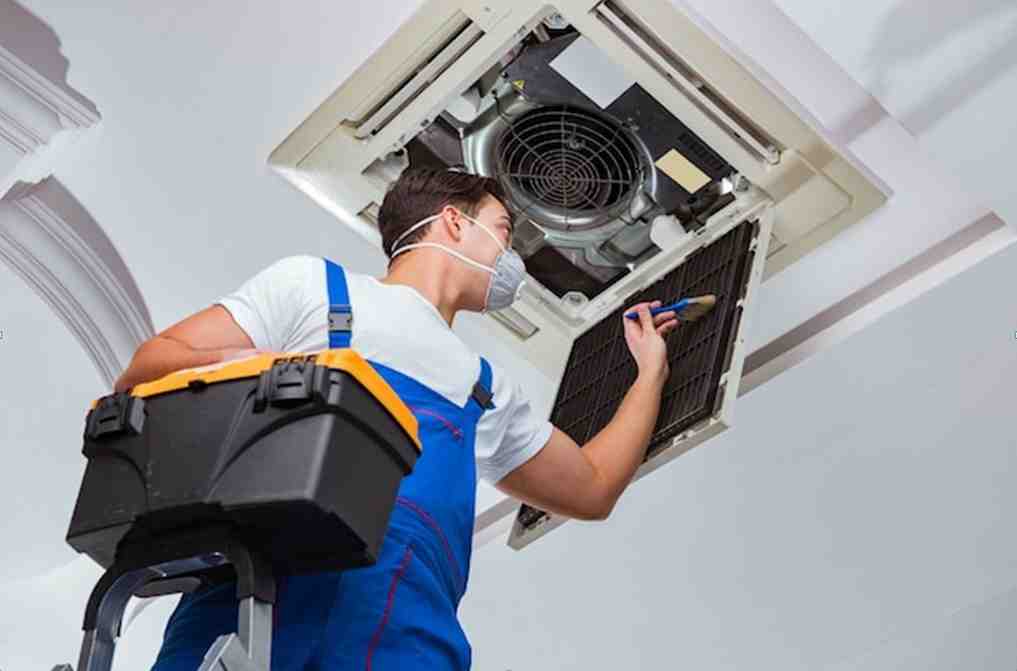
Indoor air quality plays a major role in how comfortable and healthy your home feels every day. Many homeowners focus on visible cleaning tasks like vacuuming floors or wiping down surfaces, yet overlook what is happening inside their air ducts. Over time, dust, pet dander, pollen, and other debris can build up inside ductwork and circulate throughout your living space. This is where diy air duct cleaning becomes a practical and budget friendly solution.
Learning how to handle basic duct maintenance on your own can improve airflow, reduce allergens, and help your HVAC system work more efficiently. While professional help has its place, there are many safe and effective steps homeowners can take themselves. This guide explains how diy air duct cleaning works, why it matters, and how to do it properly without unnecessary risks.
Air ducts act as the lungs of your house. Every time your heating or cooling system runs, air passes through the ductwork and carries particles along with it. If the ducts are dirty, those particles end up in your indoor air.
One of the biggest benefits of diy air duct cleaning is improved air quality. Cleaner ducts mean fewer airborne irritants, which can be especially helpful for people with allergies, asthma, or other respiratory sensitivities. Even households without specific health concerns can notice a fresher smell and less dust settling on furniture after consistent duct maintenance.
Another important factor is system efficiency. When debris builds up inside ducts and vents, airflow becomes restricted. Your HVAC system then has to work harder to push air through, which can increase energy usage and utility bills. Regular diy air duct cleaning helps maintain proper airflow and supports more efficient heating and cooling throughout the year.
Finally, clean ducts contribute to a cleaner home overall. Less dust moving through the system means less time spent cleaning surfaces, changing filters, and dealing with lingering odors.
Before starting any diy air duct cleaning project, preparation is key. Having the right tools and understanding the process will help you achieve better results and avoid damaging your system.
Basic tools you will need include a vacuum cleaner with a hose attachment, preferably one with strong suction, a screwdriver to remove vent covers, a soft bristle brush, microfiber cloths, and a flashlight. Some homeowners also use a shop vacuum for deeper reach into duct openings.
Start by turning off your HVAC system completely. This prevents dust from being blown into the living space while you work. Next, remove vent covers and registers carefully, keeping screws in a safe place. Wash the covers with warm water and mild soap, then let them dry fully.
Use your flashlight to inspect inside the ducts. This helps you identify areas with visible dust buildup and determine how far you can safely clean. Diy air duct cleaning is most effective for accessible sections near vents and returns, not deep inside complex duct systems.
Seal off supply vents you are not cleaning with plastic wrap or paper towels. This improves vacuum suction in the area you are working on and keeps loosened dust from spreading.
Once preparation is complete, you can begin the actual diy air duct cleaning process. Start by loosening dust and debris inside the duct opening using a soft brush. Work gently to avoid damaging the duct material, especially if you have flexible ducts.
After loosening debris, insert the vacuum hose as far as possible into the duct. Move it slowly to capture dust from the walls and bottom of the duct. For better reach, some people attach a longer hose or flexible extension. Take your time, since rushing can stir up dust without removing it effectively.
Clean each vent and return one at a time. This ensures consistent results throughout your home. Do not forget to vacuum the area just outside the duct opening and the surrounding floor or wall, since dust often settles there during cleaning.
Replace or clean your HVAC air filter once the ducts are done. This step is essential because a dirty filter can quickly undo the benefits of diy air duct cleaning. A fresh filter supports better airflow and keeps newly cleaned ducts from collecting debris too quickly.
After finishing all vents, reinstall the dry vent covers securely and turn the system back on. You may notice improved airflow almost immediately, along with reduced dust in the air.
While diy air duct cleaning is approachable for many homeowners, certain mistakes can limit its effectiveness or even cause problems. One common issue is using tools that are too abrasive. Stiff brushes or sharp attachments can damage duct linings, especially in older systems.
Another mistake is assuming diy air duct cleaning replaces all professional services. Home cleaning focuses on accessible areas, not the entire duct network. Deep internal components, blower motors, and coils still require professional inspection and maintenance.
Failing to address moisture issues is another concern. If you notice mold, persistent dampness, or strong musty odors, diy air duct cleaning alone is not enough. These issues often point to ventilation or insulation problems that need expert evaluation.
It is also important not to overclean. Excessive brushing or vacuuming too frequently can wear down ducts unnecessarily. For most homes, light diy air duct cleaning once or twice a year is sufficient when combined with regular filter changes.
Diy air duct cleaning is ideal for routine maintenance, visible dust buildup near vents, and improving general air quality. It is cost effective and gives homeowners more control over their indoor environment.
However, there are situations where professional services are the better option. Severe contamination, pest infestations, heavy mold growth, or post renovation debris often require specialized equipment. In such cases, calling trained technicians is safer and more thorough.
Homeowners in specific areas may also look for localized support. For example, some people compare their own efforts with air duct cleaning services in Orem, Utah when deciding how much maintenance they can realistically handle themselves. The key is knowing your limits and prioritizing safety and system longevity.
A balanced approach works best. Use diy air duct cleaning for upkeep and rely on professionals for complex or high risk situations.
Clean air ducts support a healthier, more comfortable home, and diy air duct cleaning offers a practical way to achieve that without overspending. By understanding why duct cleanliness matters, preparing properly, and following safe cleaning steps, homeowners can reduce allergens, improve airflow, and support HVAC efficiency.
The process does not require advanced skills, just patience, the right tools, and realistic expectations. Regular filter changes and light maintenance go a long way toward keeping indoor air fresh and systems running smoothly.

© 2025 Crivva - Hosted by Airy Hosting Managed Website Hosting.