


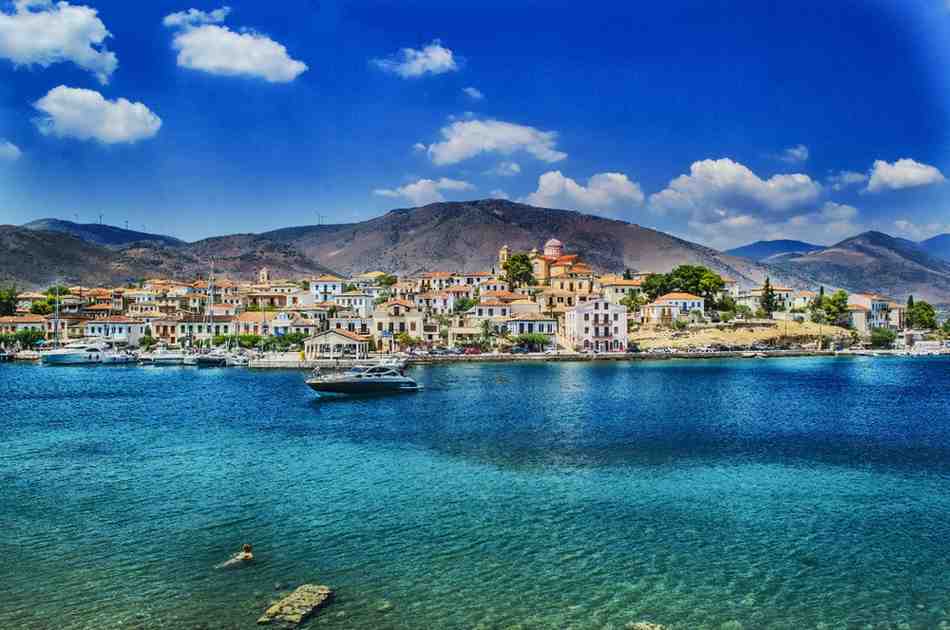
Santorini’s caldera views are undeniably beautiful. Its whitewashed villages and sunset crowds have become synonymous with Greek island travel. But in 2026, many travelers are quietly asking a different question: what lies beyond the postcard?
Across the Aegean Sea, there are islands where daily life still unfolds at an unhurried pace. Places where fishermen mend nets in small harbors, where tavernas serve recipes passed down for generations, and where beaches feel expansive rather than staged. For travelers seeking authenticity over algorithms, islands like Milos, Naxos, Karpathos, and Amorgos offer a deeper kind of Greek escape.
Often described as one of Greece’s most visually dramatic islands, Milos feels cinematic yet grounded. Known for its volcanic landscape, the island is home to striking rock formations, sea caves, and beaches that range from lunar-white cliffs to deep turquoise coves.
Sarakiniko, with its smooth white volcanic rock, looks almost otherworldly. Kleftiko’s sea caves invite exploration by boat. Yet despite its growing popularity, Milos remains far less saturated than Santorini or Mykonos.
What makes Milos special is balance. You’ll find boutique stays and stylish cafés, but you’ll also find quiet fishing villages like Klima, where brightly painted boathouses line the shore. Even in summer, it’s possible to discover stretches of coastline that feel nearly private – especially if you venture beyond the main beaches.
Milos is ideal for travelers who want visual drama without the cruise-ship atmosphere.
Naxos, the largest of the Cyclades, has long existed in the shadow of its more famous neighbors. Yet those who visit often describe it as the most complete island experience in the region.
Its main town, Chora, welcomes visitors with a massive marble gateway – the Portara – standing proudly above the sea. Unlike Santorini’s vertical intensity, Naxos spreads gently across fertile valleys and mountain villages. It’s an island where agriculture still thrives, and local products like potatoes, cheeses, and kitron liqueur define its culinary identity.
Beaches here are long, sandy, and less congested. Inland, villages like Apeiranthos offer stone pathways, family-run tavernas, and panoramic views that feel timeless.
Naxos isn’t about spectacle. It’s about substance. It’s the kind of place where you settle into a rhythm: morning swims, slow lunches, sunset walks, and evenings that stretch without urgency.
For those who want something truly off the mainstream radar, Karpathos offers a raw, untamed alternative. Located between Crete and Rhodes, this island feels geographically and culturally distinct.
Karpathos is known for its dramatic cliffs, wind-swept beaches, and mountainous terrain. But what truly sets it apart is its preservation of local traditions. In the village of Olympos, residents still wear traditional dress during festivals, and cultural customs remain an active part of community life.
Mass tourism has not reshaped Karpathos. Infrastructure exists, but it has not overwhelmed the landscape. Roads wind through rugged hills, and beaches often require a bit of effort to reach – rewarding visitors with solitude and stunning views.
Karpathos appeals to independent travelers, hikers, and those seeking a strong sense of place.
Amorgos gained international recognition as a filming location for The Big Blue, yet it has managed to retain a peaceful identity.
Long and narrow, with steep cliffs plunging into deep blue waters, the island feels dramatic yet meditative. The Monastery of Hozoviotissa, clinging impossibly to a cliffside, offers one of the most breathtaking spiritual landmarks in the Cyclades.
Chora, the island’s main town, is a maze of white alleyways, windmills, and quiet courtyards. Nights are tranquil. Conversations feel local. The energy is introspective rather than performative.
Amorgos is ideal for travelers who crave stillness – where days are defined by swims in crystalline coves and evenings by simple meals under the stars.
The appeal of Milos, Naxos, Karpathos, and Amorgos goes beyond aesthetics. They represent a shift in how people want to travel.
Overtourism has reshaped the experience in Europe’s most iconic destinations. Long waits, inflated prices, and crowded viewpoints can dilute even the most beautiful settings. In contrast, these islands allow visitors to engage with Greece more organically.
Here, you can still find:
Travelers choosing these destinations are often prioritizing depth over convenience. Many are combining multiple islands in one trip, moving between them by ferry and staying connected on the go using tools like an eSIM for Greece by Voye Global, which allows seamless navigation across ports, villages, and remote beaches without hunting for local SIM cards.
What unites these lesser-known islands is atmosphere. Life unfolds at a human pace. Church bells mark time. Fishermen still bring in the day’s catch. Festivals remain rooted in community rather than spectacle.
This is not to say these islands are frozen in time. They offer comfortable stays, thoughtful dining, and reliable ferry connections. But they have not surrendered entirely to global travel trends.
You’ll notice it in small moments:
These are the experiences many travelers now seek – places that feel lived in rather than curated.
Santorini will always be iconic. Its sunsets will always draw admiration. But Greece is not defined by one island or one viewpoint.
By exploring Milos, Naxos, Karpathos, or Amorgos, travelers discover a broader narrative – one shaped by geology, history, agriculture, and community. These islands remind visitors that Greece is not just a backdrop for photographs; it is a collection of living cultures across scattered shores.
In 2026, the most memorable Greek journeys may not be found where the crowds gather. They may unfold quietly on lesser-known islands, where authenticity still shapes daily life, and the sea feels endless.
For those willing to look beyond Santorini, a different kind of Greece awaits – unfiltered, unhurried, and unforgettable.

© 2025 Crivva - Hosted by Airy Hosting Managed Website Hosting.