

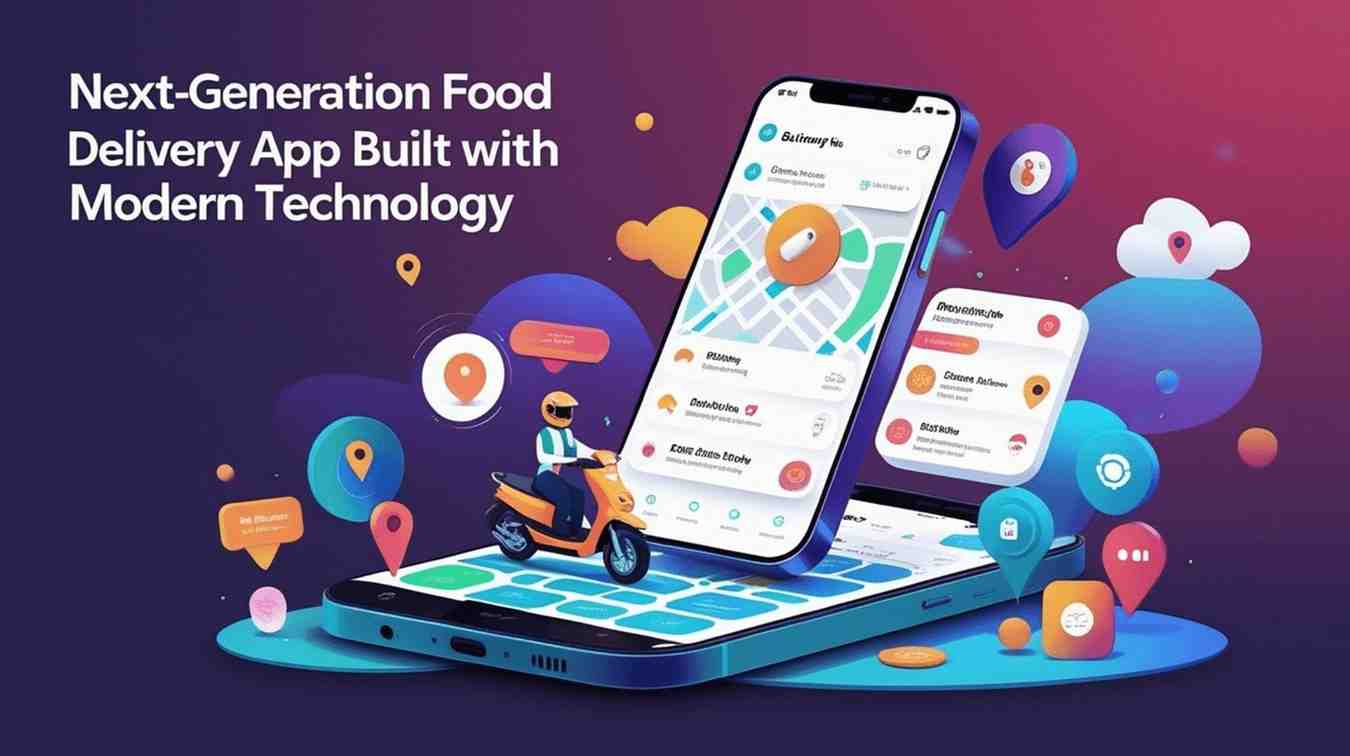
In recent years, the food delivery industry has undergone a significant transformation, fueled by advancements in technology and changing consumer behaviors. Next-generation food delivery apps are now emerging, leveraging cutting-edge tools and innovative solutions to enhance convenience, efficiency, and user experience. These modern platforms are not only catering to the growing demand for quick and accessible meals but also addressing sustainability concerns and promoting local businesses. This article delves into the key technologies driving these innovations, explores user experience enhancements, and highlights the future trends shaping the food delivery landscape.
Food delivery has come a long way from the days of pizza boys battling traffic on their mopeds. Once dominated by takeout menus and phone calls, the food delivery scene transformed into a digital playground with the advent of smartphones. In recent years, we’ve seen the rise of diverse culinary options and the gig economy, where an army of delivery drivers and innovative apps have made it easier than ever to satisfy those midnight snack cravings. From simple order placements to complex algorithms predicting what you’re hungry for, food delivery is now a multi-layered experience.
The current food delivery market is like a bustling food court—full of options, with new players popping up all the time. Major players like Uber Eats and DoorDash are battling it out, while niche apps catering to specific diets or local favorites are gaining traction. With consumer demand soaring, the competition is fierce. Customers expect speedy service, reliability, and a diverse range of culinary choices, making it crucial for next-gen food delivery apps to stay on their toes and offer a standout experience.
Artificial intelligence (AI) and machine learning (ML) are the brains behind many next-gen food delivery apps. These technologies analyze user data to predict orders, optimize delivery routes, and even suggest new items based on past choices. Imagine your app knowing that you always crave tacos on Tuesdays—yes, please! AI helps in personalizing the user experience while ensuring that your food arrives hot and faster than you can say “double cheese.”
Gone are the days of “where’s my food?” anxiety. With real-time tracking technologies, users can watch their delivery unfold like a cinematic masterpiece—complete with the “driver is 5 minutes away” nail-biter moment. Advanced logistics solutions ensure that drivers take the most efficient routes, cutting down delivery times and keeping customers in the loop. So, whether it’s a salad or a slice, you’ll never be left guessing when it will arrive at your door.
Developing a food delivery app without modern frameworks is like trying to bake a cake without a recipe. Today’s developers use frameworks like React Native and Flutter to create sleek, cross-platform apps that work seamlessly on both iOS and Android. These tools allow for rapid development cycles, meaning new features and updates can roll out faster than you can say “extra guac.” Plus, they provide a consistent user experience, so customers are happy no matter what device they’re using.
Next-gen food delivery apps are getting personal—like, “tell me your life story” personal. With advanced AI, these apps offer tailored recommendations and allow users to customize their orders down to the last sprinkle of feta. Feeling adventurous? You can even discover new cuisines that fit your taste buds perfectly. It’s like having a personal food concierge right in your pocket.
No one enjoys fumbling for their credit card while their food gets lukewarm. Next-gen apps have tackled this head-on with seamless payment integrations. From digital wallets to one-click checkout options, paying for that nacho platter has never been easier. Added bonuses like loyalty points and promo codes sweeten the deal—kind of like that extra sauce you never knew you needed.
A user-friendly interface is crucial in today’s app landscape. Next-gen food delivery apps prioritize intuitive design that makes scrolling through menus feel like a stroll in a food park. Clear visuals, easy navigation, and minimal jargon ensure that users have a delightful experience, whether they’re ordering during lunch break or late at night. After all, the last thing you want is to battle a confusing app when you’re hangry.
In a world where climate change is the hot topic on everyone’s plate, next-gen food delivery apps are stepping up with eco-friendly packaging solutions. Think biodegradable containers, compostable utensils, and minimal plastic use. By choosing environmentally friendly packaging, these apps not only protect your meal but also the planet. The only thing that should be getting “wrapped” is your burrito.
Next-gen food delivery apps are increasingly prioritizing local and sustainable suppliers, connecting customers with farms and businesses that share their values. This not only supports local economies but also reduces carbon footprints by cutting down transportation distances. Plus, who doesn’t love knowing that their shrimp tacos were sourced from just down the road?
Food waste is a growing concern, and next-gen apps are determined to make a difference. Many are implementing initiatives to reduce excess food, whether through partnerships with food banks or offering discounts on items approaching their sell-by date. So, when you order a “save the day” special, you’re not just scoring a deal—you’re also helping the environment. It’s a win-win for your taste buds and the planet!
In a nutshell, next-generation food delivery apps are redefining convenience while forging strong ties with local businesses and championing community culture. With cutting-edge safety protocols and the continual evolution of consumer preferences, they’re not just delivering food; they’re satisfying a growing appetite for experience, connection, and security. From tasty takeout to tech-savvy innovations, the future looks as delicious as ever!
As the food delivery industry evolves, it’s clear that innovation will be the secret ingredient in this recipe for success. By embracing modern technology, prioritizing local partnerships, and being responsive to changing consumer tastes, these next-gen apps are setting the stage for an exciting food revolution. So buckle up, foodies! It’s going to be a thrilling ride filled with flavors, fun, and a sprinkle of tech magic.As the food delivery industry continues to evolve, next-generation apps are set to redefine how we experience dining on the go. By embracing modern technology and prioritizing user satisfaction, sustainability, and local partnerships, these platforms are not only meeting the demands of today’s consumers but also paving the way for a more responsible and efficient future. As we look ahead, it will be exciting to see how these innovations further transform our relationship with food and delivery services.
Next-generation food delivery apps often utilize artificial intelligence, machine learning, real-time tracking systems, and mobile application development frameworks to enhance user experience and optimize logistics.
Many modern food delivery apps implement eco-friendly packaging solutions, partner with local and sustainable suppliers, and initiate programs aimed at reducing food waste to promote sustainability.
User experience is enhanced through personalization options, seamless payment methods, and user-friendly interface designs, which make ordering food quicker and more enjoyable.
These apps often create partnership models with local restaurants, promoting their offerings while fostering a sense of community and supporting the local economy.

© 2025 Crivva - Hosted by Airy Hosting Managed Website Hosting.