

Operating in marine environments requires careful planning and reliable safety systems. Whether it is a commercial vessel, fishing boat, offshore support ship, or recreational yacht, safety should always be the highest priority. The unpredictable nature of the sea means that emergencies can occur without warning, making it crucial for vessels to carry the right safety equipment.
Among the most important tools for maritime safety are the VHF Marine Radio, the ACR EPIRB, and a properly stocked Category C First Aid Kit. These essential devices help vessel operators communicate distress signals, alert rescue authorities, and provide immediate medical care when accidents occur at sea.
Together, these safety systems form a strong foundation for emergency preparedness and significantly improve survival chances during maritime incidents.
The ocean is an unpredictable environment where weather conditions, mechanical failures, and navigation challenges can quickly create dangerous situations. Unlike land-based emergencies, maritime incidents often occur far from immediate assistance. As a result, vessels must be equipped with reliable tools that help crews manage emergencies effectively.
International safety standards promoted by organizations such as the International Maritime Organization emphasize the importance of carrying approved life-saving appliances and communication devices on vessels operating at sea.
Marine safety equipment typically focuses on three key areas:
The VHF Marine Radio, ACR EPIRB, and Category C First Aid Kit directly support these critical safety functions.
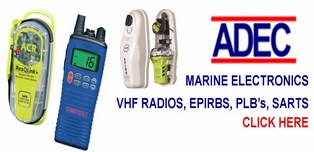
The VHF Marine Radio is one of the most essential communication devices used by vessels worldwide. It allows boat operators to communicate with nearby vessels, ports, marinas, and emergency rescue authorities.
Unlike mobile phone networks, which often have limited coverage offshore, VHF radios operate on marine frequencies specifically designed for communication across open water.
These radios allow vessel operators to:
One of the most important features of a VHF Marine Radio is access to Channel 16, the internationally recognized distress and calling channel used by rescue organizations and maritime authorities.
In emergency situations, a distress call broadcast over Channel 16 can quickly alert nearby vessels and search-and-rescue teams, allowing for faster response and assistance.
Modern VHF radios often include advanced features such as Digital Selective Calling (DSC), which allows vessels to transmit automated distress signals containing vessel identification and location data.
While radios are excellent for short-range communication, emergencies sometimes occur in remote areas where other vessels may not be nearby. This is where the ACR EPIRB becomes critically important.
An Emergency Position Indicating Radio Beacon (EPIRB) is a device designed to transmit distress signals via satellite networks when activated. These signals alert global search-and-rescue authorities that a vessel or crew is in danger.
ACR EPIRBs are widely recognized for their reliability and advanced technology. When activated, they send a unique identification signal that is received by satellite systems and transmitted to rescue coordination centers.
Key advantages of ACR EPIRBs include:
Many EPIRBs are designed to activate automatically when submerged in water, making them especially valuable if a vessel capsizes or sinks rapidly.
Because of their effectiveness, EPIRBs are considered essential safety equipment for offshore vessels, commercial ships, and long-distance recreational boats.
In addition to communication and distress signaling equipment, vessels must also be prepared for medical emergencies. Injuries can occur during normal maritime operations, including slips, cuts, burns, or equipment-related accidents.
A Category C First Aid Kit is specifically designed to provide basic medical supplies for vessels operating in coastal or short-distance waters.
A typical Category C First Aid Kit contains essential items such as:
These supplies allow crew members to respond quickly to injuries, stabilize patients, and prevent complications while awaiting professional medical assistance.
Regular inspection of first aid kits is essential to ensure that supplies remain complete and medications are within their expiration dates.
Having the right safety equipment onboard is only part of the equation. Crew members must also understand how to use these devices effectively during emergencies.
Training programs should cover:
Regular safety drills help ensure that crew members can respond calmly and efficiently during real emergencies.
Familiarity with equipment locations and usage procedures can significantly reduce response time and improve the effectiveness of emergency actions.
Proper maintenance ensures that safety equipment remains reliable when it is needed most. Marine environments expose equipment to saltwater, humidity, and extreme weather conditions, which can gradually affect performance.
Vessel operators should regularly inspect:
Routine maintenance and documentation help vessels remain compliant with maritime safety regulations while ensuring that equipment performs correctly during emergencies.
Maritime safety is not only about equipment—it also involves responsibility, awareness, and preparation. Vessel operators who prioritize safety create an environment where crew members remain vigilant and prepared for unexpected challenges.
A strong safety culture includes:
These practices help reduce risks and improve the chances of successful rescue and recovery during emergencies.
The sea presents many challenges, but proper preparation can significantly improve safety outcomes. Essential equipment such as the VHF Marine Radio, ACR EPIRB, and Category C First Aid Kit provides critical support for communication, emergency signaling, and medical response during maritime incidents.
By investing in reliable marine safety equipment and maintaining it regularly, vessel operators ensure that their crews remain protected and prepared for unexpected situations. When operating at sea, preparation and reliable safety systems remain the most important tools for safeguarding lives.

© 2025 Crivva - Hosted by Airy Hosting Managed Website Hosting.