

Calgary’s unique climate presents specific challenges for homeowners when it comes to selecting and maintaining garage doors. With temperature swings that can range from scorching summer heat to bitter winter cold, often within the same week, your garage door faces considerable stress throughout the year. Understanding how to choose the right door and maintain it properly can save you thousands of dollars in repair costs while protecting your vehicle and improving your home’s energy efficiency.
The garage door represents one of the largest moving components of your home, and for most Calgary residents, it serves as the primary entry point to their property. Beyond its functional role, a well-chosen garage door significantly impacts curb appeal, home security, energy costs, and property value. This comprehensive guide explores everything Calgary homeowners need to know about selecting, installing, and maintaining garage doors that can withstand the city’s demanding weather conditions.
Calgary’s continental climate creates unique demands on residential garage doors that homeowners in milder regions never face. The city experiences dramatic temperature fluctuations, with winter temperatures regularly plunging below negative twenty degrees Celsius, while summer days can soar above thirty degrees. This extreme range causes materials to expand and contract repeatedly, placing stress on door panels, springs, cables, and opener mechanisms.
Winter presents the most significant challenges. Heavy snow accumulation can add substantial weight to garage doors, while ice buildup along door bottoms can cause seals to tear and tracks to misalign. Cold temperatures reduce the flexibility of rubber seals and weatherstripping, allowing drafts to penetrate into garages and connected living spaces. Metal components become brittle and more prone to breaking, particularly springs and cables that bear the door’s weight.
Calgary holds the unfortunate distinction of being one of Canada’s hail capitals, with severe hailstorms occurring regularly during spring and summer months. These storms can devastate unprotected vehicles, causing thousands of dollars in damage within minutes. A quality garage door provides essential protection against hail damage, but the door itself must be constructed to withstand hail impact without denting or breaking.
When selecting garage doors for Calgary homes, impact resistance should rank among your top priorities. Steel doors with proper gauge thickness offer excellent hail resistance, while aluminum doors may dent more easily despite their corrosion resistance. Composite materials provide good impact protection while offering superior insulation properties compared to metal alternatives.
Homeowners shopping for new garage doors face numerous options, each offering distinct advantages and limitations. Understanding these differences helps you select the door type that best meets your specific needs, budget, and home architecture.
Sectional doors remain the most popular choice for Calgary homes, and for good reason. These doors consist of horizontal panels connected by hinges, allowing the door to bend as it travels along curved tracks from vertical to horizontal positions. This design offers several advantages for Calgary homeowners.
First, sectional doors maximize interior garage space because they don’t swing outward during operation. This proves particularly valuable in Calgary’s newer neighborhoods where lots are smaller and driveways shorter. Second, the panel construction allows for superior insulation compared to single-panel designs. Quality sectional doors feature insulation between outer and inner panel skins, creating thermal barriers that reduce heat loss during Calgary’s long winters.
The segmented construction also provides practical advantages when damage occurs. If hail dents a single panel or a vehicle bumps the door, you can often replace individual panels rather than the entire door, reducing repair costs significantly.
Roll-up doors work well for garages with limited headroom or unusual configurations. These doors roll into a compact coil above the opening, requiring minimal ceiling space. However, they typically offer less insulation than sectional alternatives, making them better suited for detached garages or workshops rather than garages attached to living spaces.
Sliding doors move horizontally along tracks and can add distinctive architectural interest to contemporary home designs. While less common in Calgary residential applications, they function well when properly installed and maintained. Their primary limitation involves space requirements, as the door must slide completely to one side of the opening.
Energy efficiency should rank as a critical consideration for any Calgary homeowner selecting a garage door. Heat loss through poorly insulated garage doors can significantly increase heating costs, particularly when garages connect directly to living spaces through shared walls or interior access doors.
Insulation effectiveness is measured by R-value, with higher numbers indicating better insulating properties. For Calgary’s climate, look for garage doors with minimum R-values of 16 to 18 for attached garages. Detached garages can function adequately with lower R-values, though better insulation still provides benefits by protecting stored items from temperature extremes and making the space more comfortable for workshop activities.
Quality residential garage doors in Calgary utilize various insulation materials and construction methods. Polystyrene insulation involves foam boards cut to fit between door panel framing. This approach provides good insulation at reasonable costs but can leave gaps where foam boards don’t fit perfectly against framing members.
Polyurethane foam insulation offers superior performance by being injected between panel skins, where it expands to fill all gaps and spaces. This creates a complete thermal barrier while also adding structural strength to door panels. The additional rigidity helps doors resist wind pressure and reduces noise during operation.
Panel thickness also affects insulation performance. Thicker panels accommodate more insulation material and create deeper air spaces that enhance thermal resistance. Standard residential doors range from one and three-eighths inches to two inches thick, with thicker doors providing better insulation and quieter operation.
Even the best-insulated garage door loses effectiveness without proper weatherstripping and seals. These components prevent air infiltration around door edges and along the bottom seal where the door contacts the garage floor.
Calgary’s temperature extremes demand high-quality weatherstripping materials that remain flexible in cold temperatures while resisting degradation from summer heat and UV exposure. EPDM rubber and vinyl materials specifically formulated for extreme temperature ranges perform well in Calgary’s climate. Cheap weatherstripping becomes brittle in cold weather, cracking and failing to seal properly.
The bottom seal represents the most vulnerable weatherstripping component because it contacts the garage floor with every door cycle and faces direct exposure to snow, ice, and road salt tracked in by vehicles. Quality bottom seals feature thick rubber or vinyl construction with reinforcement to prevent tearing.
Some bottom seals incorporate brush-style designs that sweep debris aside while still providing good sealing. Others use bulb-style profiles that compress against the floor. For Calgary homes, consider replacing bottom seals every few years as preventive maintenance rather than waiting for obvious failure.
Garage door springs bear the door’s weight, making operation possible with minimal effort. Understanding spring systems helps homeowners make informed decisions about door selection and recognize when professional service becomes necessary.
Torsion springs mount on a shaft above the garage door opening and wind tight when the door closes, storing energy that helps lift the door when opening. These springs typically last 10,000 to 20,000 cycles depending on quality and usage. Extension springs run along horizontal tracks on each side of the door, stretching to provide lifting force.
Calgary’s winter temperatures significantly impact spring performance. Cold metal becomes less flexible, requiring springs to work harder to lift doors. This additional stress can accelerate spring failure during winter months. Quality springs manufactured specifically for cold climate applications use steel alloys and heat treatments that maintain better performance in low temperatures.
Never attempt DIY spring replacement. These components store tremendous force and can cause serious injury if they release unexpectedly during installation. Professional garage door technicians have the tools and training to safely replace springs while ensuring proper tension and balance.
Modern garage door openers offer features that enhance convenience, security, and safety beyond basic opening and closing functions. When selecting openers for Calgary homes, consider several factors that affect performance in local conditions.
Opener drive mechanisms fall into three main categories: chain drive, belt drive, and screw drive. Chain drives offer reliable performance at affordable prices but generate more noise than alternatives. Belt drives operate quietly, making them ideal for garages with living spaces above or adjacent. Screw drives require minimal maintenance and perform well in Calgary’s temperature extremes because they have fewer moving parts affected by thermal expansion and contraction.
Contemporary garage door openers increasingly incorporate smart technology that allows remote operation via smartphone apps, activity monitoring, and integration with home automation systems. These features provide practical benefits beyond novelty appeal.
Remote monitoring lets homeowners verify their garage door closed after leaving, eliminating the common doubt that often sends people back home to check. Activity notifications alert homeowners when doors open or close, providing security awareness particularly valuable when children arrive home from school or when properties sit vacant during vacations.
Proper maintenance extends garage door life while preventing inconvenient breakdowns during Calgary’s harshest weather. Establishing a simple maintenance routine takes minimal time but delivers significant benefits.
Monthly visual inspections catch developing problems before they become serious. Look for frayed cables, loose hardware, worn rollers, and damaged weatherstripping. Listen for unusual noises during operation that might indicate worn bearings or misaligned tracks. Test the door’s balance by disconnecting the opener and manually lifting the door halfway. Properly balanced doors stay in place; doors that fall or rise indicate spring tension problems requiring professional adjustment.
Regular lubrication keeps moving parts functioning smoothly despite temperature extremes. Use garage door lubricant specifically formulated for the application rather than general-purpose oils that may gum up in cold weather or run off in heat. Lubricate hinges, rollers, springs, and tracks every three months, with additional applications before and after winter.
Avoid petroleum-based lubricants that attract dust and dirt. Silicone-based or lithium-based products work better for garage door applications, providing long-lasting lubrication without attracting contaminants.
While some homeowners possess skills for minor garage door maintenance, professional installation ensures optimal performance and safety. Garage doors represent substantial investments, and improper installation can lead to premature wear, safety hazards, and voided warranties.
Professional installers ensure doors are properly balanced, springs are correctly tensioned, safety features function as designed, and weatherstripping is properly fitted. They can also identify potential issues with garage framing or floor conditions that might affect door operation.
When selecting installation and service providers, look for established local companies with strong reputations. Ask about technician training, insurance coverage, warranty terms, and service availability. Companies offering emergency service provide valuable peace of mind when garage doors malfunction during Calgary’s coldest nights or during storms.
While functionality and durability rightfully dominate garage door selection criteria, aesthetics shouldn’t be overlooked. Your garage door comprises a significant portion of your home’s street-facing facade, and the right door enhances curb appeal while the wrong choice detracts from your home’s appearance.
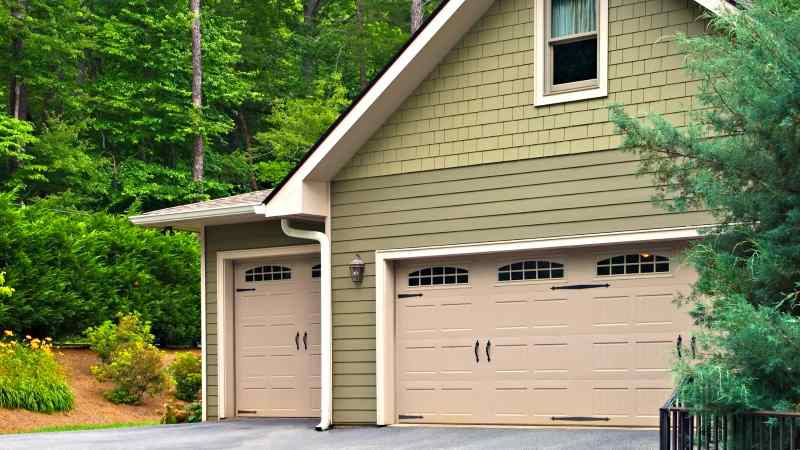
Modern garage doors are available in countless styles, from traditional raised-panel designs to contemporary flush panels with window inserts. Carriage house designs add character to homes with traditional architecture, while sleek modern doors complement contemporary styles.
Color selection also impacts appearance. While white remains popular for its versatility and ability to brighten garage interiors, colored doors can create striking visual statements. Consider how door color coordinates with your home’s exterior palette, roof color, and trim work.
Selecting and maintaining residential garage doors in Calgary requires consideration of factors that homeowners in milder climates never face. The city’s extreme temperature swings, hail risk, and long winter season demand doors built for durability, properly insulated, and maintained according to schedules appropriate for harsh conditions.
By understanding the available door types, insulation requirements, spring systems, and maintenance needs, Calgary homeowners can make informed decisions that protect their investments while enhancing home comfort, security, and appearance. Whether installing new doors or maintaining existing ones, prioritizing quality materials and professional service ensures garage doors perform reliably through Calgary’s demanding seasons for years to come.

© 2025 Crivva - Hosted by Airy Hosting Managed Website Hosting.