

For people exploring dentures and implants, understanding what happens after dental implant surgery is just as important as knowing how the procedure works. Recovery is not a single moment but a structured biological process that unfolds over time, allowing the implant to become a stable, functional replacement for a missing tooth.
Dental implant surgery has one of the highest success rates in modern dentistry, but that success depends heavily on proper healing. Knowing what to expect at each stage helps reduce anxiety, prevents complications, and supports long-term results.
Dental implants rely on a process called osseointegration, where the jawbone gradually grows around and bonds to the implant surface. Unlike natural teeth, implants do not have ligaments. Instead, they become part of the bone itself, which is why recovery takes longer than many other dental procedures.
This healing process happens in phases. While the surface may heal quickly, deeper bone integration continues for several months. Dentists emphasize patience during recovery because rushing this biological process can compromise stability and longevity.
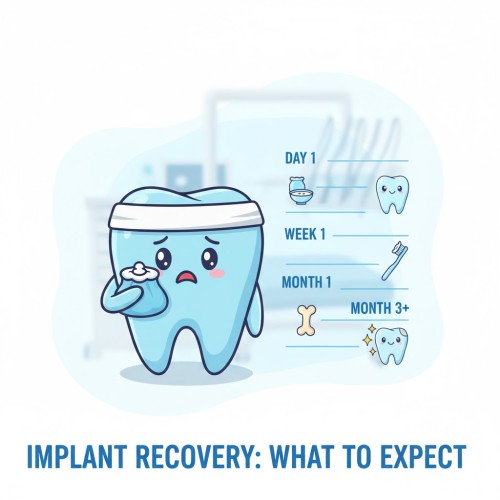
The initial recovery phase begins immediately after surgery. This is when the body activates its natural healing response.
Common experiences during the first day include:
Mild bleeding at the surgical site
Swelling around the gums or jaw
Tenderness when speaking or chewing
A feeling of pressure in the treated area
These symptoms are expected and typically well controlled with rest and prescribed aftercare. Patients are usually advised to avoid rinsing vigorously, touching the site, or chewing on the implant side during this period.
Swelling often peaks within 48 hours and then begins to decrease. Bruising may appear externally or inside the mouth, especially if bone manipulation was required.
During this stage:
Ice therapy can help reduce inflammation
Soft foods remain essential
Physical activity should be limited
Pain is usually manageable and improving
This is also when some people notice discomfort becoming more noticeable at night due to increased blood flow when lying down. This sensation usually fades as inflammation decreases.
By the end of the first week, the most uncomfortable phase is typically over.
At this point:
Swelling and bruising diminish
Gum tissue begins sealing around the implant
Speech and facial movement feel more natural
Daily routines gradually resume
Stitches may dissolve on their own or be removed, depending on the technique used. Although many people feel “back to normal,” internal healing has only just begun.
This phase is often underestimated because there is very little discomfort, yet it is biologically critical.
During weeks two through four:
Bone cells start attaching to the implant surface
Gum tissue continues strengthening
Sensitivity is minimal or absent
Chewing soft solid foods becomes easier
Dentists often caution patients during this stage because the implant may feel stable even though integration is still developing. Excessive pressure or poor oral hygiene can interfere with bone attachment.
Between one and three months, the implant becomes increasingly secure as bone density improves around it.
This stage involves:
Ongoing bone remodeling
Increased implant stability
Follow-up evaluations to monitor progress
Adjustments to temporary restorations if present
Many patients resume full daily activities during this phase. However, the implant is still integrating beneath the surface, which is why permanent crowns are usually delayed until healing is complete.
For most individuals, complete osseointegration occurs within three to six months. This timeline may be longer if bone grafting was performed or if healing conditions are less ideal.
Once integration is complete:
The implant is firmly anchored in the jaw
Permanent restorations can be placed
Chewing strength is restored
The implant functions like a natural tooth
This is the point at which recovery transitions into long-term maintenance rather than healing.
Every patient heals differently. Several factors influence how quickly the body integrates a dental implant.
Denser bone tends to integrate faster, particularly in the lower jaw. Softer bone may require longer healing periods.
Keeping the implant area clean supports gum health and prevents infection that could delay recovery.
Smoking significantly reduces blood flow and slows healing. Alcohol consumption can also interfere with tissue repair.
Medical conditions that affect circulation or immune response may lengthen recovery time.
Understanding these factors helps set realistic expectations and encourages proactive care.
Dental implant recovery differs significantly from other common treatments.
Dental implant recovery differs significantly from other common treatments, particularly because it involves surgical placement and integration with the jawbone rather than surface-level changes to the teeth or gums. While implants do not directly affect enamel health, overall oral stability and bite function play an important role in protecting remaining natural enamel from uneven wear.
Likewise, when comparing implants to Dental Implants and Traditional Dentures, implants require longer initial healing but provide greater long-term stability, bone preservation, and function. Traditional dentures involve shorter surgical recovery but require ongoing adjustments and do not prevent bone loss.
During recovery, some sensations are normal and temporary:
Mild pressure near the implant
Occasional sensitivity
Slight tightness in the jaw
However, symptoms that worsen instead of improve—such as increasing pain, swelling, fever, or implant movement—should be evaluated promptly by dentists.
Early assessment prevents small issues from becoming serious complications.
Once fully healed, implants require consistent care similar to natural teeth.
Long-term success depends on:
Daily brushing and flossing
Regular professional cleanings
Avoiding excessive biting forces
Maintaining healthy gum tissue
Routine visits to a dental practice allow ongoing monitoring and help ensure implants remain stable for decades.
Many people underestimate recovery because online content often focuses on cosmetic outcomes rather than biological healing. Trends like Fastest Ways to Whiten Teeth or reminders such as Dont Forgot Your Invisalign can unintentionally create the impression that dental treatments deliver instant results.
Implants are different. Their success depends on patience, proper aftercare, and respect for the body’s healing timeline.
Recovery is not only physical. Some patients experience temporary anxiety about chewing, speaking, or damaging the implant.
Gradual reintroduction of normal activities, clear guidance from dental professionals, and understanding that healing is progressive—not instant—help reduce unnecessary stress.
The Dental Implant Surgery Recovery Timeline is a structured, biological process designed to ensure strength, stability, and longevity. While early healing happens within days, true success depends on months of internal bone integration.
For individuals considering dental implants, understanding each phase of recovery empowers better decisions, improves compliance, and protects long-term oral health.
With patience, proper care, and realistic expectations, dental implants remain one of the most reliable and durable tooth replacement solutions available today.

© 2025 Crivva - Hosted by Airy Hosting Managed Website Hosting.