

Choosing a replacement for missing or badly damaged teeth is no longer a simple matter of picking what looks best in a mirror. Modern dentistry has moved toward highly personalized planning, where the shape of the jaw, bite pattern, bone support, gum condition, speech habits & long-term maintenance all influence the final recommendation. That progress has given patients better results, but it has also made the decision process more complex. A poor choice at the start can lead to discomfort, repeated repairs, bite imbalance, cleaning difficulty or a result that does not last as expected. The safest approach is to understand the common mistakes before any treatment begins.
One of the biggest mistakes is focusing only on appearance. Many patients naturally want a result that blends with the rest of the smile and that concern is valid. Still, appearance alone cannot determine the right option. A replacement may look natural in photos yet fail under normal chewing pressure if the bite is not balanced properly. It may also place stress on nearby teeth or irritate the gums if the contours are not designed well. In current practice, dentists are paying more attention to function first & aesthetics alongside it. This trend reflects a broader understanding that a successful restoration should feel stable in daily life, not just look acceptable during conversation. Find quality care at our dental clinic in Victor Harbor-click here to schedule your visit!
Another common mistake is choosing treatment based mainly on the initial fee. Lower cost can seem appealing, especially when multiple options are offered, but short-term savings may create long-term expense if the restoration needs frequent adjustment, replacement or repair. A more durable option may cost more at the beginning but perform better over time because it suits the patient’s bite, oral habits & structural needs. Modern treatment planning increasingly includes long-range thinking. Dentists now discuss expected lifespan, maintenance demands and future changes in the mouth rather than presenting treatment as a one-time event. Patients who ignore that wider picture often end up paying more through repeated follow-up work.
Rushing into treatment without a full diagnostic review is another avoidable problem. Good replacement planning depends on more than a visual exam. Digital scanning, detailed X-rays, bite evaluation and an assessment of bone & gum support all help determine whether a restoration will perform well. Current trends in dentistry show a clear shift toward precision diagnostics. Instead of relying mainly on impressions & rough estimates, dentists now use advanced imaging and digital design tools to study spacing, tooth angulation, jaw relationships and material thickness before treatment starts. This allows the final result to be planned more accurately, but only if the patient agrees to a complete workup rather than pushing for a quick solution.
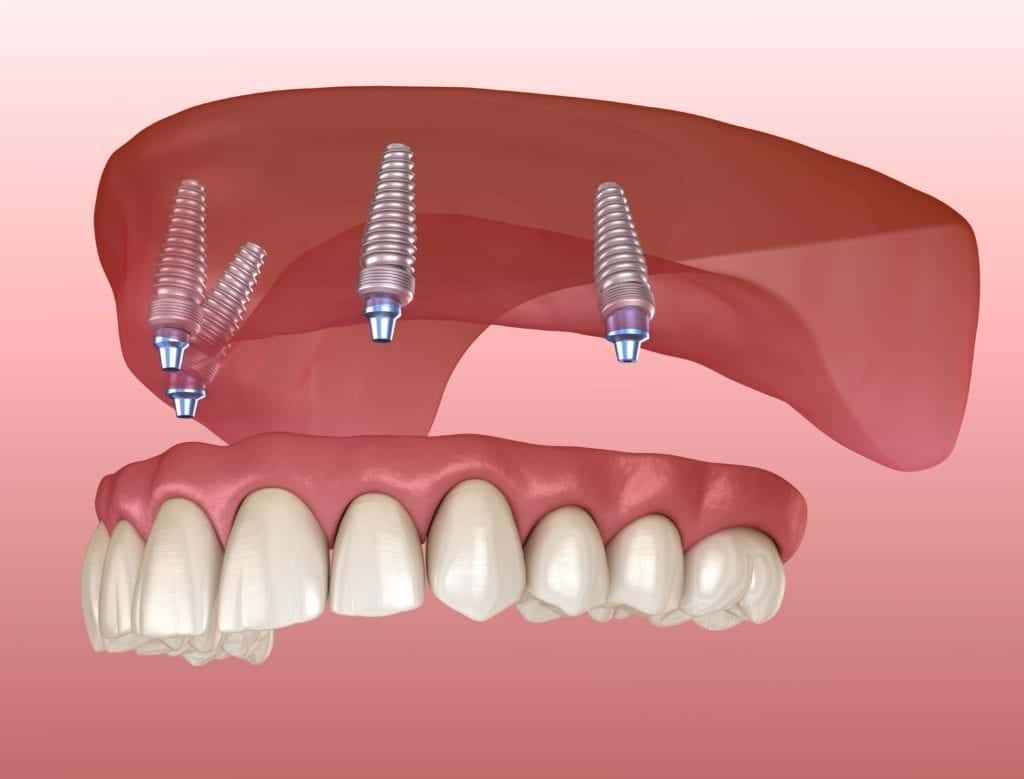
A related mistake is overlooking the health of the supporting structures. Missing teeth do not affect only the visible part of the smile. The surrounding bone may shrink over time, gums may become uneven & neighboring teeth may drift into the empty space. If these issues are not addressed early, the replacement may fit poorly or require added procedures later. This is why many dentists now emphasize timing. Early assessment after tooth loss can preserve more options and reduce complications. Waiting too long can narrow the treatment choices and make a simple case more technically demanding.
Many patients also underestimate the importance of bite analysis. The way upper and lower teeth meet has a direct effect on the success of any restoration. If chewing force is concentrated unevenly, a replacement may chip, loosen, feel bulky or create jaw strain. Modern dentistry has become far more attentive to occlusion than in the past. Dentists are increasingly using digital bite mapping, trial designs & detailed adjustment methods to reduce stress points before the final restoration is placed. Patients who do not understand this may reject a well-planned option because it seems less exciting than a cosmetic upgrade, even though the more conservative plan may be better for long-term stability.
Material choice is another area where mistakes happen. Patients sometimes assume that stronger is always better or that the newest material must be the best one for every case. In reality, materials behave differently depending on the location in the mouth, the amount of pressure applied and the appearance required. Some materials offer excellent strength but require careful space planning. Others provide better translucency but may not suit heavy grinding habits. This is where custom dental replacements should be judged by suitability rather than trend appeal. Modern dentist trends are not simply about adopting newer products. They are about matching the material to the individual mouth, the chewing pattern and the expected workload.
Ignoring personal habits is another major mistake. Teeth grinding, nail biting, clenching, smoking, irregular cleaning & inconsistent follow-up can all shorten the life of a restoration. Even the best-designed replacement can fail early if daily habits are working against it. Today’s dentists spend more time discussing behavior, not just treatment mechanics. Preventive planning has become a major trend in modern care. Instead of waiting for damage to appear, dentists aim to identify risk factors before treatment begins so the design, material and aftercare plan can be adjusted accordingly. Patients who are honest about their habits usually receive a more realistic and durable solution.
Another mistake is failing to ask how the replacement will be maintained. Many patients assume that once treatment is completed, the work will function like a natural tooth without any special care. That assumption often leads to disappointment. Every restoration has maintenance demands. Cleaning methods may differ, review intervals may matter more & some designs may require closer monitoring to catch wear, looseness or gum irritation early. Current dental planning increasingly includes maintenance as part of the treatment itself. Dentists are not just placing restorations; they are designing long-term care pathways. Patients who treat aftercare as optional often reduce the value of the original treatment.
Poor communication can also lead to wrong decisions. Some patients do not describe their expectations clearly, while others hesitate to discuss fear, budget limits, appearance concerns or time constraints. That creates a mismatch between what they want & what is delivered. Modern dentistry works best when treatment planning is collaborative. Dentists now rely more on digital previews, mock-ups and staged discussions so patients can understand likely outcomes before committing. This trend reflects a more informed and transparent style of care, but it only works when patients participate fully in the conversation.
The best treatment decisions are rarely the fastest ones. They come from careful diagnosis, honest discussion and a clear understanding that oral rehabilitation is both mechanical & biological. Custom dental replacements can provide highly effective results, but only when patients avoid shortcuts, weigh function as carefully as appearance & choose treatment based on long-term oral health rather than immediate convenience. That is the central lesson in modern dentistry: the right replacement is not the one that sounds most attractive at first. It is the one that fits the mouth, the habits and the future of the patient.
Author Bio: –
Ansley has 12 years of experience in the dental world. You can find his thoughts at cosmetic dental blog.

© 2025 Crivva - Hosted by Airy Hosting Managed Website Hosting.