


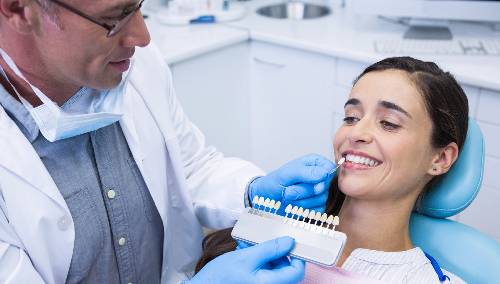
A confident smile can change the way you speak, socialise, and carry yourself. For many people, minor imperfections like chipped teeth, gaps, stains, or uneven edges can have an outsized impact on confidence. Composite veneers have become one of the most popular cosmetic dentistry solutions in Australia because they offer noticeable results without extensive dental work.
This guide explains what composite veneers are, how they work, who they suit, and what to expect from the process. It also explores costs, longevity, and how composite veneers compare with porcelain options, helping you decide whether this form of dental cosmetic treatment is right for you.
Composite veneers are thin layers of tooth-coloured resin that are applied directly to the surface of the teeth. The resin is carefully shaped and bonded to improve the tooth’s appearance, then hardened with a special curing light.
Unlike porcelain veneers, which are custom-made in a dental laboratory, composite veneers are sculpted by the dentist during your appointment. This allows for precise adjustments and often means treatment can be completed in a single visit.
Composite veneers are commonly used to improve:
They are a key option within modern cosmetic dentistry, offering a balance between aesthetics, affordability, and minimal tooth alteration.
Composite veneers are not all the same. There are two main types, and the right option depends on your goals and oral health.
The dentist applies direct composite veneers to the teeth. The resin is layered, shaped, and polished during the appointment.
Benefits include:
This is the most common type of composite veneer and is widely used in dental cosmetic treatments.
Indirect composite veneers are created outside the mouth, either in a lab or using digital systems, and then bonded to the teeth.
They may offer:
However, they usually involve multiple appointments and higher costs, which makes them less common than direct composite veneers.
Composite veneers are chosen for many practical and aesthetic reasons. They are especially appealing for patients who want visible improvement without extensive procedures.
Key advantages include:
For patients seeking veneers for the teeth without committing to irreversible changes, composite veneers are often an excellent starting point.
Composite veneers are suitable for a wide range of patients, but they are not ideal for everyone.
You may be a good candidate if you:
Veneers may not be recommended if you have:
A proper assessment with a qualified dentist is essential to determine suitability and avoid future complications.
Understanding the process helps set realistic expectations and reduces anxiety.
Your dentist will assess your teeth, discuss your goals, and determine whether composite veneers are appropriate. This stage may involve photographs, digital scans, or mock-ups to visualise the result.
In most cases, very little tooth structure is removed. Some teeth may only need light roughening to help the composite bond effectively.
The composite resin is applied in layers and sculpted directly onto the tooth. The dentist carefully shapes each tooth to achieve symmetry and natural contours.
A curing light hardens the resin. The veneers are then polished to create a smooth, natural-looking finish that blends with surrounding teeth.
Many patients leave the clinic with a transformed smile on the same day.
Composite veneers are not permanent, but they can last several years with proper care.
On average, composite veneers last between five and seven years. Some last longer, especially when patients maintain good oral hygiene and avoid damaging habits.
Factors that affect longevity include:
Unlike porcelain veneers, composite veneers can often be repaired rather than replaced if they chip or wear down.
Composite veneers cost less than porcelain veneers, which is one of their main attractions.
The cost depends on:
In Sydney, composite veneers cost significantly less per tooth than porcelain options, making them more accessible for patients seeking cosmetic dentistry improvements without a significant financial commitment.
During a consultation, your dentist should provide a clear breakdown of costs and expected outcomes.
Composite veneer treatment is generally not painful. In many cases, no anaesthetic is required because minimal tooth preparation is involved.
Some patients may experience:
This usually resolves quickly and does not interfere with daily activities.
Patients with dental anxiety often find composite veneers more comfortable than other cosmetic procedures.
One advantage of composite veneers is that they are often reversible.
Because little to no enamel is removed, it may be possible to remove the composite material and return the tooth to its original state. This depends on how much preparation was required.
This reversibility makes composite veneers appealing for younger patients or those exploring cosmetic dentistry for the first time.
Choosing between composite and porcelain veneers depends on priorities, budget, and long-term goals.
Neither option is universally better. Composite veneers suit patients who want flexibility, affordability, and fast results. Porcelain veneers may suit those seeking a longer-term solution with minimal maintenance.
A personalised consultation is the best way to decide.
While composite veneers are a cosmetic treatment, they can sometimes be used in urgent situations. For example, a chipped or broken front tooth can be quickly restored with composite material, particularly if you need to see an emergency dentist Sydney patients rely on for fast aesthetic repairs.
In such cases, composite resin can restore appearance and function while a longer-term plan is considered.
Proper care extends the life of composite veneers and keeps them looking natural.
Recommended habits include:
Regular dental visits allow early detection of wear or minor damage that can be repaired easily.
The success of composite veneers depends heavily on the dentist’s skill and attention to detail.
When choosing a dentist, consider:
At Bigger Smiles, composite veneers are designed to complement facial features and existing teeth rather than create an artificial look. The approach focuses on subtle improvements that enhance confidence while preserving natural tooth structure.
Composite veneers are now a cornerstone of cosmetic dentistry because they offer a conservative and effective way to improve smiles. They are particularly valuable for patients who want a noticeable change without committing to extensive dental work.
As materials and techniques continue to improve, composite veneers are delivering better durability and aesthetics than ever before.
Composite veneers offer a practical and versatile option for improving the appearance of teeth. They provide fast results, affordability, and flexibility that suit many lifestyles.
For patients considering veneers for the teeth, understanding how composite veneers work, how long they last, and how they compare to porcelain options helps ensure informed decisions. With the proper planning and professional care, composite veneers can deliver a confident smile that feels natural and balanced.
Composite veneers are tooth-coloured resin layers bonded to the front of teeth to improve shape, colour, and alignment.
They typically last five to seven years with proper care and regular dental visits.
Yes, composite veneers cost less upfront than porcelain veneers.
They usually require minimal tooth preparation and preserve most natural enamel.
Yes, chips or wear can often be repaired without replacing the entire veneer.
Know more https://biggersmiles.com.au/composite-veneers-explained/

© 2025 Crivva - Hosted by Airy Hosting Managed Website Hosting.