


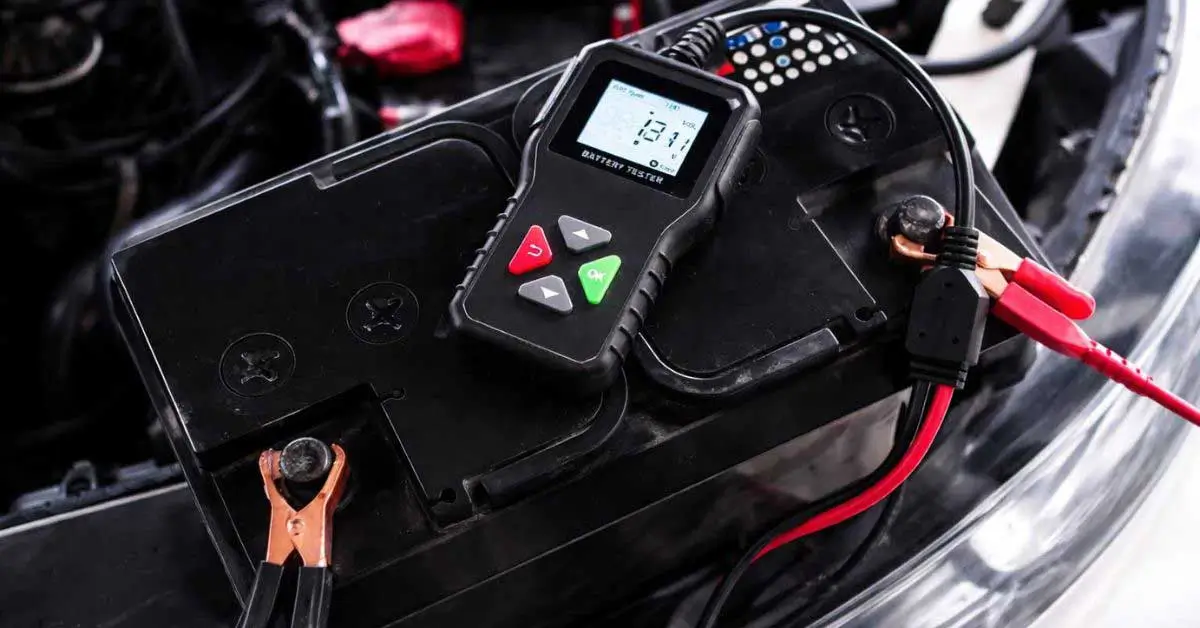
Powerful bass, clean mids, and clear highs are only possible when a car audio system is supplied with stable and sufficient electrical power. Many drivers upgrade speakers or install amplifiers but underestimate the importance of the battery, wiring, and proper fusing. In reality, the power supply is the foundation of every car audio system — from simple upgrades to advanced setups.
A common question during upgrades is whether the factory battery is enough or if additional components are required. Poor planning often leads to performance issues or even electronic failures.
Every car audio component requires electrical energy. Factory radios and basic speaker systems place minimal load on the vehicle’s electrical system. However, amplifiers — especially high-power models — can draw significant current.
Insufficient power supply can cause typical problems such as:
The key question is not whether power matters, but how much power your system actually needs.
For most daily-driven vehicles, the factory electrical system is sufficient if it is in good condition.
Common real-world examples:
Only systems exceeding roughly 1000 W RMS, or setups with multiple amplifiers, begin to push the limits of a standard battery.
Amplifier efficiency plays a major role in power consumption.
This means a Class D amplifier can deliver the same output while drawing significantly less current. For everyday use, this reduces voltage drops and minimizes stress on the battery.
Modern Class D amplifiers are especially well suited for subwoofer systems, offering strong output with improved electrical stability.
A stable power supply depends on correct wiring and proper fusing. A main fuse must always be installed close to the battery on the positive cable to protect the vehicle and electronics.
General guidelines:
Using a fuse that is too large for the cable gauge is dangerous because it may not blow in time during a short circuit. Poor grounding points and loose connections are also frequent causes of problems.
Not all car batteries are equal. Standard starter batteries are optimized for short bursts of high current during engine starts, not for extended audio playback with the engine off.
AGM batteries and modern maintenance-free designs are more resistant to repeated charge and discharge cycles. They are recommended if:
Signs of a weak battery include difficult engine starts, noticeable voltage drops during bass hits, and sensitive onboard electronics.
High-power SPL systems and competition setups require more than the factory electrical system can provide. Professional builds often include:
For normal daily drivers, these upgrades are usually unnecessary and provide little benefit relative to their cost and complexity.
Proper planning is just as important as choosing the right components. Even simple upgrades require careful installation. Removing door panels incorrectly can lead to scratches or broken clips, which is why guides such as
Wie baue ich die Türverkleidung ab, ohne Kratzer zu riskieren?
are essential for DIY installers.
Another key decision is whether to perform the installation yourself or leave it to a professional. A realistic comparison can be found here:
Auto Sound System Einbau selber machen oder Werkstatt?
auto-lautsprecher.eu provides in-depth technical knowledge for car audio enthusiasts who want to understand and improve their systems. The platform focuses on practical guidance, realistic system planning, and clear explanations for DIY installers. From speaker upgrades to power supply fundamentals, the content is designed to help users avoid common mistakes and achieve reliable results.
The power supply is the technical backbone of every car audio system. For most upgrades, a healthy factory battery combined with proper wiring is more than sufficient. Efficient digital amplifiers further reduce power demand and improve stability.
Rather than investing in unnecessary additional components, drivers benefit most from correct cable sizing, appropriate fusing, and thoughtful system planning. With these basics in place, strong sound performance can be achieved without compromising reliability or safety.
You must be logged in to post a comment.

© 2025 Crivva - Hosted by Airy Hosting Managed Website Hosting.









carbattery nz says:
Planning a car audio power supply starts with choosing a strong battery, proper wiring, and a safe electrical layout. Choose a battery with sufficient reserve capacity and CCA to handle amplifiers and subwoofers. Make sure you use the correct gauge power cables, add a fuse near the battery, and ground the system well. Power distribution blocks should be planned and voltage drops should be avoided. Stable voltage and consistent audio performance can be achieved by upgrading the alternator or adding a secondary battery.