


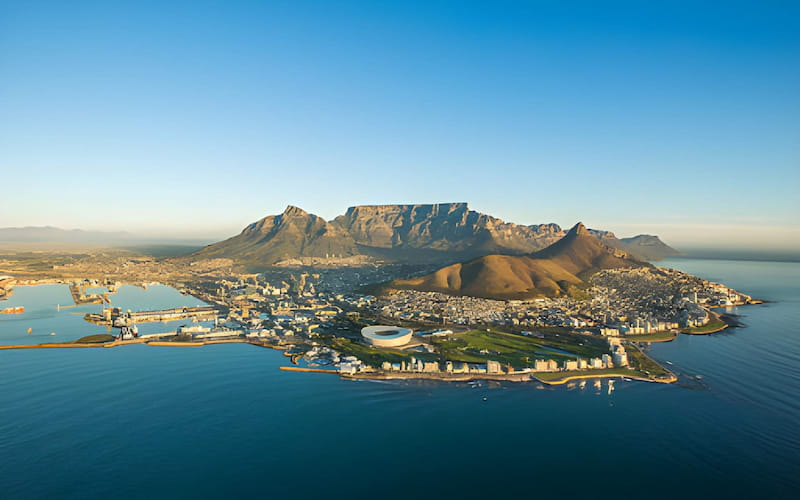
Cape Town doesn’t introduce itself gently.
One minute you’re driving past ocean cliffs, the next you’re under a flat-topped mountain that looks almost unreal. Most cities ease you in. Cape Town just shows up fully formed and expects you to keep up.
The mistake many travelers make is trying to treat it like a checklist destination. A cable car ride, a vineyard visit, a sunset photo, done. That’s where trips often go wrong. Cape Town rewards curiosity and flexibility far more than speed.
Here’s how to see and do Cape Town properly—without rushing past what actually makes it special.
Yes, it’s iconic. And yes, you should go up.
But don’t treat Table Mountain as a one-hour activity squeezed between lunch plans. Weather changes fast. The cable car can shut without warning. Lines build quickly.
Most people miss this: walking on top of the mountain is the real experience. Once you’re up there, give yourself time. Wander the paths. Watch the clouds roll in and out. The city looks different every few minutes.
If you’re fit and confident, hiking up is rewarding. If not, take the cable car and walk slowly. Either way, don’t rush it.
The Waterfront gets dismissed as “too touristy.” That’s partly true. It’s busy. Commercial. Designed to be easy.
But it’s also practical. Restaurants, boat tours, shops, museums—all in one place. For first-time visitors, it works as a base.
The key is not to spend all your time here. Use it as a starting point, not the main event.
A walk at night along the harbor can be pleasant and safe. Just don’t confuse convenience with character.
Bo-Kaap’s brightly painted houses draw cameras nonstop. And yes, it’s beautiful.
But people live here. Pray here. Cook here. This isn’t a backdrop.
Walk slowly. Be respectful. Step into the Bo-Kaap Museum if you want context instead of just photos. The food here—especially Cape Malay cuisine—is worth seeking out.
Most travelers rush through in twenty minutes. That’s missing the point.
Cape Point is often sold as “the southern tip of Africa.” It isn’t, technically. But that detail matters less than the drive itself.
The Cape Peninsula route is one of the best coastal drives anywhere. Stop often. Look out for baboons. And don’t underestimate distances—this is where trips often go wrong. People plan too much in one day.
Walk beyond the main viewpoints. The quieter trails offer views without crowds. Wind is constant. Bring layers.
Cape Point isn’t about arriving. It’s about the journey there.
Camps Bay is photogenic. White sand. Palm trees. Restaurants facing the sea.
It’s also windy, cold-watered, and not ideal for swimming most days. People forget that.
Come here for sunsets, not long beach swims. Have a drink. Watch the light change. Leave before it gets too busy.
For calmer beaches, locals often prefer Clifton or Llandudno.
This isn’t a casual attraction.
A visit to Robben Island takes time and emotional energy. Former political prisoners often serve as guides, and their stories aren’t rehearsed scripts. They’re personal.
Plan this for a day when you’re not rushing to something else afterward. Most people underestimate how draining it can be.
It’s one of the most important experiences in Cape Town—but not one to squeeze in lightly.
Stellenbosch, Franschhoek, Paarl—the names come up quickly when people talk wine.
The mistake is trying to visit too many estates in one day. Wine tasting isn’t about volume. It’s about pace.
Choose two or three wineries. Have lunch. Sit longer than planned. The landscape here invites stillness.
If you don’t want to drive, organized day tours or Guided South Africa Holiday Packages make sense. Wine and navigation don’t mix well.
Cape Town’s food scene is excellent. And varied.
From fine dining to food markets, the city punches above its weight. But the best meals often come from small, unassuming places.
Ask locals. Avoid restaurants with aggressive street promoters. And don’t overbook reservations—you’ll want flexibility.
Seafood is strong. So is coffee. Surprisingly so.
Cape Town is spread out. Public transport is limited for visitors.
Most travelers rent a car. That offers freedom but requires confidence. Driving is on the left. Distances add up.
Ride-hailing apps work well in the city center and surrounding neighborhoods.
Trying to do Cape Town without transport planning is a common mistake. Build travel time into your days.
Three days shows you highlights.
Five days lets you breathe.
Seven days feels right.
Anything less than four days feels rushed. Anything more than a week allows for day trips and slower mornings.
Cape Town isn’t about ticking sights. It’s about balancing nature, history, food, and downtime.
Cape Town doesn’t need you to chase it. It reveals itself when you slow down.
Plan fewer days with more space. Mix iconic sights with quiet neighborhoods. Accept that weather and timing will change plans.
Whether you explore independently or through Guided South Africa Holiday Packages, the goal is the same: experience the city, not just photograph it.
Cape Town is generous, but only if you give it time.
Yes, with common-sense precautions. Stick to well-known areas and avoid empty streets late at night.
It helps, especially for beaches and day trips, but ride-hailing works well in central areas.
October to April offers the best weather. Summer (Dec–Feb) is busiest.
No. Weather can shut the cable car unexpectedly. Always check conditions.
Yes. Food and activities offer options across price ranges.

© 2025 Crivva - Hosted by Airy Hosting Managed Website Hosting.