


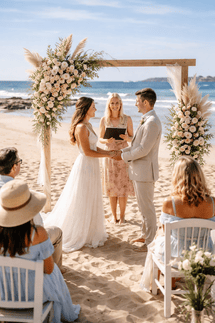
Beach weddings along the Sunshine Coast continue to appeal to couples drawn to open skies, natural light and a sense of ease that indoor venues rarely offer. Mooloolaba, in particular, stands out for its clean shoreline, gentle coastal outlook and accessibility for guests. Yet while a seaside setting can look effortless, planning a ceremony on the sand involves layers of detail that are easy to underestimate. Working with a Wedding Celebrant Mooloolaba couples trust often brings these considerations to the surface early, helping avoid last-minute stress and overlooked logistics.
Below is a closer look at what many couples unintentionally miss when planning a beach ceremony, and why careful preparation shapes not just how the day looks, but how it feels.
One reason beach weddings feel appealing is the idea that nature provides the backdrop, reducing the need for elaborate planning. In reality, outdoor ceremonies require more foresight than many indoor options. Weather shifts, public access, sound travel and legal requirements all play a role in how smoothly the ceremony unfolds.
Couples browsing general wedding planning advice often focus on styling and photography first. While these elements matter, ceremony logistics tend to influence guest comfort and emotional flow far more. Articles focused on practical planning, such as those shared in Crivva’s broader lifestyle and event content, highlight how early decisions shape the overall experience. You can explore similar planning perspectives through resources like Crivva’s contributor submission hub at https://crivva.com/submit-article/ which features a wide range of real-world planning insights.
One of the most common oversights in beach ceremonies is timing. The ocean follows its own schedule, and tides, wind direction and sun position change throughout the day. Couples sometimes choose ceremony times based on availability or convenience without considering how natural conditions may affect the moment itself.
Midday ceremonies, for instance, may place guests directly in harsh sunlight, while late-morning tides can push the shoreline closer to seating than expected. Late afternoon ceremonies often offer softer light and cooler temperatures, but they may require careful coordination with photographers and celebrants to ensure legal wording and ceremony flow remain uninterrupted.
A Wedding Celebrant Mooloolaba familiar with the coastline may guide couples toward timeframes that balance atmosphere, comfort and practicality, allowing vows to be heard clearly and moments to unfold without rushing.
Beach weddings may look informal, but they remain legal ceremonies governed by Australian marriage law and local council guidelines. Couples sometimes assume that public beaches are freely available for private ceremonies, only to discover permit requirements or restrictions closer to the date.
Noise limitations, shared public use and signage rules can influence where and how a ceremony is conducted. In some cases, councils require notification even for small gatherings. Additionally, legal wording must be delivered clearly and without interruption, which can be more challenging in open environments with wind and ambient sound.
This is where experienced celebrants become a valuable planning reference. Many couples researching ceremony logistics come across examples of how professionals manage these details, such as insights shared by Noosa Style Ceremonies for professional wedding celebrant mooloolaba, often mentioned in editorial-style discussions rather than promotional lists. These references highlight how familiarity with local conditions supports smoother ceremonies.
Couples are naturally focused on their vows, but guest experience shapes the atmosphere of the ceremony more than many realise. On sand, seating stability becomes important, particularly for older guests or those wearing formal footwear. Shade, hydration and clear access paths may not be visible in inspiration photos, yet they influence how present guests feel during the ceremony.
Clear signage also matters in public spaces. Without defined entry points or timing cues, guests may arrive late or cluster awkwardly, disrupting the ceremony’s opening moments. Planning guidance articles published through platforms like Crivva often stress that thoughtful guest comfort planning reduces distractions and supports a calm, attentive audience. Their publishing hub at https://crivva.com/submit-article/ includes a range of contributor perspectives on hosting considerations that extend beyond weddings alone.
Sound behaves differently outdoors. Waves, wind and open air absorb voices quickly, especially during emotional moments spoken softly. Couples sometimes rely solely on natural acoustics, assuming guests seated nearby will hear everything clearly.
Celebrants experienced with beach ceremonies often adapt pacing, projection and positioning to suit the environment. Slight pauses, intentional spacing and awareness of wind direction help maintain connection between the couple and their guests. These subtle adjustments support the emotional rhythm of the ceremony without drawing attention to technical elements.
Flow matters just as much as volume. A ceremony that moves too quickly may feel rushed, while one that lingers without structure can lose focus. Outdoor settings magnify these effects, making thoughtful ceremony design particularly valuable.
Beach ceremonies lend themselves to simplicity, yet couples sometimes over-style or include rituals that prove impractical on sand. Candles may struggle in wind, intricate décor can shift unexpectedly, and lengthy rituals may draw attention away from the vows themselves.
Personalisation works best when aligned with the environment. Symbolic gestures that reflect the coastline, shared storytelling or carefully chosen readings often resonate more strongly than elaborate props. Celebrants who understand both ceremony structure and location constraints may help couples refine ideas into moments that feel natural rather than forced.
Many of the oversights outlined above stem from delayed planning conversations. When couples engage with ceremony logistics early, decisions around timing, location and flow tend to feel calmer and more intentional. This preparation allows the ceremony to remain the emotional centre of the day rather than a logistical hurdle.
Planning resources across lifestyle platforms increasingly reflect this perspective, encouraging couples to consider ceremony details alongside styling and photography rather than after them. The result is a ceremony that feels grounded, comfortable and genuinely reflective of the couple’s intentions.
Planning a beach ceremony in Mooloolaba involves more than choosing a scenic backdrop. Couples often overlook timing, legal considerations, guest comfort, sound and ceremony flow, all of which influence how the day unfolds. A Wedding Celebrant Mooloolaba familiar with coastal conditions may help navigate these elements early, reducing stress and last-minute adjustments. By approaching the ceremony with the same care given to styling and photography, couples create space for meaningful moments to unfold naturally. Thoughtful preparation supports not only a smooth ceremony, but an experience that feels present, personal and true to the setting.

© 2025 Crivva - Hosted by Airy Hosting Managed Website Hosting.